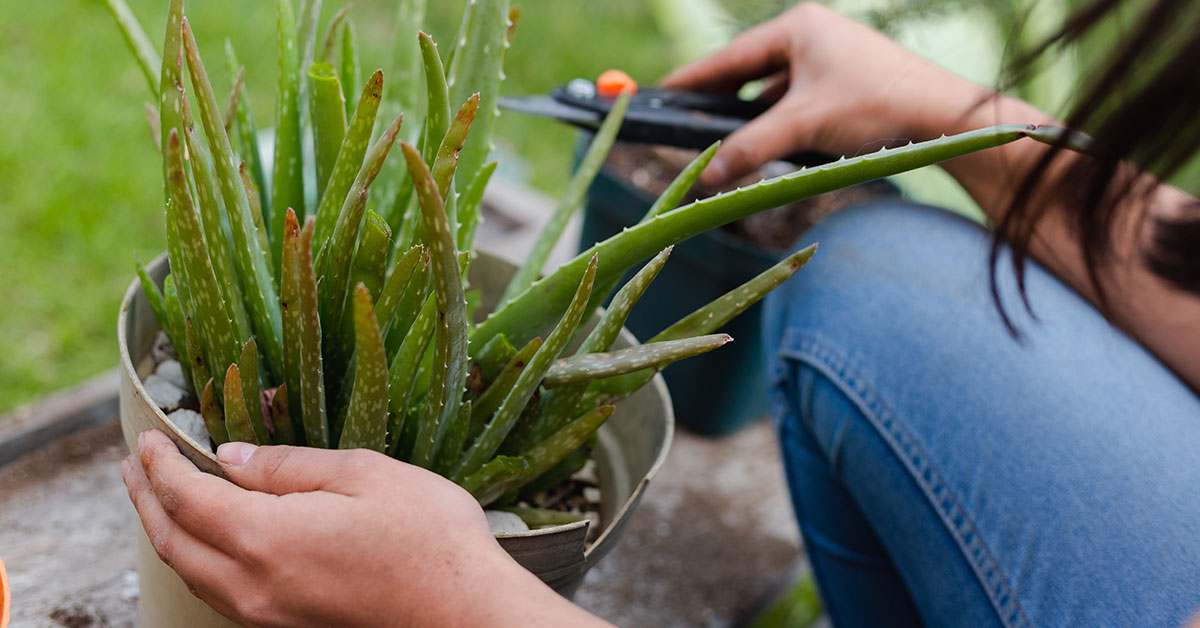

Welcome to the world of Chinese Aloe, a fascinating and versatile houseplant that not only adds a touch of elegance to any indoor space but also offers a myriad of health benefits. Also known as Aloe vera, this succulent plant has been cherished for centuries for its medicinal properties and is now gaining popularity as a must-have addition to any plant enthusiast’s collection.
In this comprehensive guide, we will delve into the art of growing Chinese Aloe, exploring its origins, ideal growing conditions, propagation methods, and essential care tips. Whether you are a seasoned gardener or a beginner looking to embark on a new green adventure, this article will equip you with the knowledge and skills needed to cultivate thriving Chinese Aloe plants that will not only beautify your home but also provide you with a natural remedy for various ailments. So, let’s dive in and discover the secrets to successfully growing and nurturing this remarkable plant!
What is a Chinese Aloe?
Chinese Aloe, scientifically known as Aloe vera var. chinensis, is a succulent plant native to China. It is a variety of the well-known Aloe vera plant, which is widely cultivated for its medicinal and ornamental purposes. Chinese Aloe has a rosette growth habit, with thick, fleshy leaves that are green in color. The leaves are lance-shaped, tapering towards the ends, and have serrated edges.
They are arranged in a spiral pattern, forming a compact and attractive plant. The leaves of Chinese Aloe are filled with a gel-like substance that is rich in nutrients and has various medicinal properties. This gel is commonly used in skincare products, as it is believed to have soothing and healing effects on the skin. Chinese Aloe produces tall flower spikes, usually in the summer months.
The flowers are tubular, typically yellow or orange in color, and appear in clusters at the top of the spike. While the flowers are not the main attraction of this plant, they add a touch of beauty to its overall appearance. Overall, Chinese Aloe is a visually appealing succulent with its distinctive rosette form and green, fleshy leaves. It is a popular choice for indoor gardening due to its low maintenance requirements and the potential health benefits associated with its gel.
Where is Chinese Aloe native?
Chinese Aloe, also known as Aloe vera, is native to the Arabian Peninsula but is now cultivated worldwide. It is not considered invasive in most regions. However, in some tropical and subtropical areas, it can escape cultivation and become naturalized, potentially causing ecological disruptions. It is always advisable to check with local authorities or gardening experts to determine if a particular plant species is invasive in your specific region.
How to grow Chinese Aloe indoors
Chinese Aloe, also known as Aloe vera, is a popular houseplant known for its medicinal properties and attractive foliage. Here is a care guide to help you successfully grow Chinese Aloe indoors:
- Light Requirements: Chinese Aloe thrives in bright, indirect sunlight. Place your plant near a south or west-facing window where it can receive at least 6-8 hours of sunlight per day. However, be cautious of direct sunlight, as it can scorch the leaves.
- Temperature: Chinese Aloe prefers temperatures between 60-75°F (15-24°C). It can tolerate slightly cooler temperatures during winter but should be protected from frost.
- Watering: Allow the soil to dry out completely between waterings. Overwatering can lead to root rot, so it’s essential to provide well-draining soil. Water your Chinese Aloe deeply, and then wait until the top inch of soil is dry before watering again. During winter, reduce watering frequency.
- Soil: Use a well-draining potting mix specifically formulated for succulents or cacti. You can also create your own mix by combining equal parts of potting soil, perlite, and sand to improve drainage.
- Fertilizer: Chinese Aloe doesn’t require frequent fertilization. Feed your plant with a balanced, water-soluble fertilizer diluted to half strength once every 2-3 months during the growing season (spring and summer). Avoid fertilizing during winter.
- Humidity: Chinese Aloe is adapted to dry conditions and doesn’t require high humidity. Average indoor humidity levels are usually sufficient.
- Repotting: As Chinese Aloe grows, it may outgrow its pot. Repot your plant every 2-3 years in a slightly larger container using fresh potting soil. Spring is the best time for repotting.
- Pruning: Remove any dead or yellowing leaves by gently pulling them away from the base of the plant. This will help maintain the plant’s appearance and prevent the spread of diseases.
- Propagation: Chinese Aloe can be propagated through offsets or pups that grow around the base of the plant. Carefully remove the offsets and plant them in a separate pot with well-draining soil. Allow the cut ends to dry for a day before planting.
- Pests and Diseases: Chinese Aloe is generally resistant to pests and diseases. However, overwatering can lead to root rot. Keep an eye out for signs of mealybugs or scale insects, which can be treated with a solution of water and mild soap or with a horticultural oil.
By following these care guidelines, you can enjoy a healthy and thriving Chinese Aloe plant indoors. Remember to observe your plant regularly and adjust the care routine as needed.
How to grow Chinese Aloe outdoors
Chinese Aloe, also known as Aloe vera, is a versatile and easy-to-grow plant that can be grown both indoors and outdoors. If you want to grow Chinese Aloe outdoors, here is a care guide to help you:
- Climate: Chinese Aloe thrives in warm climates and prefers temperatures between 55°F (13°C) and 80°F (27°C). It can tolerate some cold, but it is best to protect it from frost and freezing temperatures.
- Sunlight: Chinese Aloe loves bright, indirect sunlight. Place it in a location where it can receive at least 6 hours of sunlight per day. However, it can also tolerate partial shade.
- Soil: Well-draining soil is crucial for Chinese Aloe. Use a sandy or loamy soil mix with good drainage. If your soil is heavy or clay-like, amend it with sand or perlite to improve drainage.
- Watering: Chinese Aloe is a succulent and is drought-tolerant. Allow the soil to dry out completely between waterings. Overwatering can lead to root rot. Water deeply but infrequently, approximately once every two weeks during the growing season. Reduce watering during winter when the plant is dormant.
- Fertilizer: Chinese Aloe does not require heavy feeding. Apply a balanced, water-soluble fertilizer diluted to half strength once a month during the growing season (spring and summer). Avoid fertilizing during winter.
- Pruning: Chinese Aloe does not require much pruning. However, you can remove any dead or damaged leaves to maintain its appearance. Be careful when handling the plant as the leaves have sharp edges.
- Pests and Diseases: Chinese Aloe is generally resistant to pests and diseases. However, it can occasionally be affected by common houseplant pests like mealybugs or scale insects. Inspect the plant regularly and treat any infestations promptly with organic insecticidal soap or neem oil.
- Propagation: Chinese Aloe can be easily propagated through offsets or pups that grow from the base of the plant. Gently separate the offsets from the mother plant and plant them in a well-draining soil mix. Allow the cut ends to dry for a day or two before planting. Water sparingly until they establish roots.
- Winter Care: If you live in a region with frost or freezing temperatures, it is best to bring your Chinese Aloe indoors during winter. Place it in a bright location away from drafts and reduce watering. If you prefer to keep it outdoors, provide protection from frost using frost cloth or bring it into a greenhouse.
By following these care guidelines, you can successfully grow Chinese Aloe outdoors and enjoy its numerous benefits, including its gel for medicinal purposes and its attractive foliage.
How to grow Chinese Aloe in pots
Chinese Aloe, also known as Aloe vera, is a popular houseplant known for its medicinal properties and attractive appearance. Here is a care guide to help you successfully grow Chinese Aloe in pots:
- Pot selection: Choose a pot with good drainage holes to prevent waterlogging. A 6-8 inch pot is suitable for a young plant, while a mature plant may require a larger pot.
- Soil: Use a well-draining soil mix specifically formulated for succulents or cacti. Alternatively, you can create your own mix by combining equal parts of regular potting soil, perlite, and sand.
- Sunlight: Chinese Aloe requires bright, indirect sunlight for at least 6-8 hours a day. Place the plant near a south or west-facing window to ensure it receives adequate light. However, avoid exposing it to direct sunlight for prolonged periods as it can scorch the leaves.
- Temperature: Chinese Aloe prefers temperatures between 55-80°F (13-27°C). Protect the plant from extreme temperature fluctuations and cold drafts, as they can damage the foliage.
- Watering: Allow the soil to dry out completely between waterings. Overwatering can lead to root rot, so it’s crucial to avoid waterlogging. Water the plant thoroughly, allowing the excess water to drain out completely. In winter, reduce watering frequency as the plant enters a dormant phase.
- Humidity: Chinese Aloe can tolerate average indoor humidity levels, but it thrives in drier conditions. Avoid placing the plant in a humid environment, such as near a bathroom or kitchen.
- Fertilization: Feed Chinese Aloe with a balanced, water-soluble fertilizer formulated for succulents or cacti. Apply the fertilizer at half-strength once a month during the growing season (spring and summer). Avoid fertilizing during winter when the plant is dormant.
- Pruning: Remove any dead or yellowing leaves by gently pulling them from the base of the plant. Pruning can also be done to control the size and shape of the plant. Use clean, sharp scissors or pruning shears to avoid damaging the plant.
- Repotting: Chinese Aloe generally requires repotting every 2-3 years to provide fresh soil and space for growth. Repot during spring using a slightly larger pot and fresh succulent soil mix.
- Pests and diseases: Chinese Aloe is relatively resistant to pests and diseases. However, watch out for common succulent pests like mealybugs and spider mites. If you notice any signs of infestation, treat the plant with an appropriate insecticidal soap or neem oil.
Remember, Chinese Aloe is a hardy plant, but it’s essential to provide the right conditions for optimal growth. Regular monitoring, proper watering, and adequate sunlight will help your Chinese Aloe thrive and provide you with its beneficial properties.
When does Chinese Aloe bloom?
Chinese Aloe, also known as Aloe vera, is primarily grown for its medicinal properties and ornamental value rather than its flowers. However, it does produce flowers under certain conditions. In its natural habitat, Aloe vera typically blooms during the winter or early spring months. However, when grown as a houseplant, it may not bloom as frequently or at all due to the different growing conditions indoors. The focus of growing Aloe vera indoors is usually on maintaining its health and promoting the growth of its succulent leaves rather than encouraging flowering.
Propagation guide for Chinese Aloe
Chinese Aloe, also known as Aloe vera, can be propagated through various methods such as division, offsets, and leaf cuttings. Here’s a step-by-step guide on how to propagate Chinese Aloe:
- Division: This method is best done when the plant has outgrown its current pot and has multiple rosettes or “pups” growing around the base.
- Carefully remove the plant from its pot, ensuring you don’t damage the roots.
- Gently separate the offsets or pups from the main plant. Each pup should have its own set of roots.
- Plant the pups in separate pots filled with well-draining soil, leaving the top of the root ball level with the soil surface.
- Water the newly potted pups lightly and place them in a bright, indirect light location.
- Allow the soil to dry slightly between waterings, and within a few weeks, the pups should establish themselves and start growing.
- Offsets: Chinese Aloe produces offsets naturally, which are small plants that grow alongside the main plant. This method is similar to division but focuses on propagating the offsets.
- Gently remove the offsets from the main plant by carefully separating them at the base.
- Plant the offsets in individual pots with well-draining soil, ensuring the top of the root ball is level with the soil surface.
- Water lightly and place them in a bright, indirect light location.
- Follow the same care instructions as mentioned earlier, allowing the soil to dry slightly between waterings.
- Leaf Cuttings: This method involves using a healthy leaf from the plant to propagate a new one.
- Select a mature, healthy leaf from the outer part of the plant.
- Using a clean, sharp knife or scissors, cut the leaf close to the base, ensuring you have a clean cut.
- Allow the cut end of the leaf to dry and callus over for a day or two.
- Once calloused, plant the cut end of the leaf into a pot filled with well-draining soil, burying it about an inch deep.
- Water the soil lightly and place the pot in a warm, bright location with indirect sunlight.
- Mist the leaf occasionally to provide some humidity.
- After a few weeks, new roots should start to develop, and eventually, a new plantlet will emerge from the base of the leaf.
- Once the new plantlet has grown a few inches, you can carefully transplant it into its own pot.
Remember to provide proper care, including well-draining soil, adequate sunlight, and regular watering, to ensure successful propagation and healthy growth of your Chinese Aloe plants.
Common pests and diseases
Chinese Aloe, also known as Aloe vera, is generally a hardy plant that is resistant to many pests and diseases. However, there are a few common issues that can affect its health. Here are some of the common pests and diseases that can affect Chinese Aloe:
- Mealybugs: These small, white, cotton-like insects can infest the leaves and stems of Chinese Aloe. They suck sap from the plant, causing yellowing, wilting, and stunted growth. Use a cotton swab dipped in rubbing alcohol to remove them, or apply insecticidal soap or neem oil to control the infestation.
- Scale insects: These pests appear as small, round, or oval bumps on the leaves and stems. They can cause yellowing, leaf drop, and a sticky residue called honeydew. Use a soft brush or cloth dipped in soapy water to remove them, or apply insecticidal soap or neem oil.
- Root rot: Overwatering or poorly draining soil can lead to root rot in Chinese Aloe. This fungal disease causes the roots to become mushy, black, and smelly. To prevent root rot, ensure that the plant is potted in well-draining soil and water it only when the top inch of soil is dry.
- Leaf spot: Leaf spot is a fungal disease that causes dark, water-soaked spots on the leaves of Chinese Aloe. It can be caused by overwatering, poor air circulation, or high humidity. Remove affected leaves and improve air circulation around the plant. Avoid overhead watering and ensure the plant has enough space between other plants.
- Fusarium wilt: This fungal disease causes yellowing, wilting, and eventual death of the plant. It is difficult to treat, and infected plants should be removed to prevent the spread of the disease. To prevent fusarium wilt, avoid overwatering, use sterilized soil, and maintain good plant hygiene.
Regularly inspecting your Chinese Aloe for signs of pests or diseases and providing it with proper care, including adequate sunlight, well-draining soil, and appropriate watering, will help keep it healthy and minimize the risk of these issues.
Facts about Chinese Aloe
Chinese Aloe, also known as Aloe vera or Aloe barbadensis, is a popular succulent plant known for its medicinal properties and ornamental value. Here are some interesting facts about Chinese Aloe:
- Medicinal Uses: Chinese Aloe has been used for centuries in traditional medicine for its healing properties. The gel inside its leaves is rich in vitamins, minerals, and antioxidants, making it a common ingredient in skincare products, ointments, and herbal remedies for various ailments.
- Healing Properties: Chinese Aloe gel is known for its soothing and cooling effect on the skin. It can help alleviate sunburns, minor burns, insect bites, and skin irritations. It is also believed to have anti-inflammatory and antimicrobial properties.
- Air Purifier: Chinese Aloe is an excellent indoor plant as it helps purify the air by removing toxins such as formaldehyde and benzene. It releases oxygen at night, making it a great bedroom plant for improving air quality.
- Easy to Grow: Chinese Aloe is a hardy plant that is relatively easy to grow and care for. It thrives in bright, indirect sunlight and well-draining soil. It is drought-tolerant and can survive in dry conditions, making it a low-maintenance houseplant.
- Succulent Characteristics: Chinese Aloe belongs to the succulent family, characterized by its thick, fleshy leaves that store water. This adaptation allows it to survive in arid environments and makes it more resilient to periods of neglect or underwatering.
- Edible Uses: While Chinese Aloe is primarily used for its medicinal properties, the gel can also be consumed. It is sometimes added to juices, smoothies, or used as a thickening agent in certain recipes. However, it is important to note that consuming aloe should be done in moderation and under proper guidance, as excessive consumption may have laxative effects.
- Propagation: Chinese Aloe can be easily propagated through offsets or “pups” that grow from the base of the plant. These can be separated and replanted to create new plants. It can also be propagated through leaf cuttings, although this method is less common.
Remember, it’s always important to consult with a healthcare professional before using any plant for medicinal purposes, including Chinese Aloe.