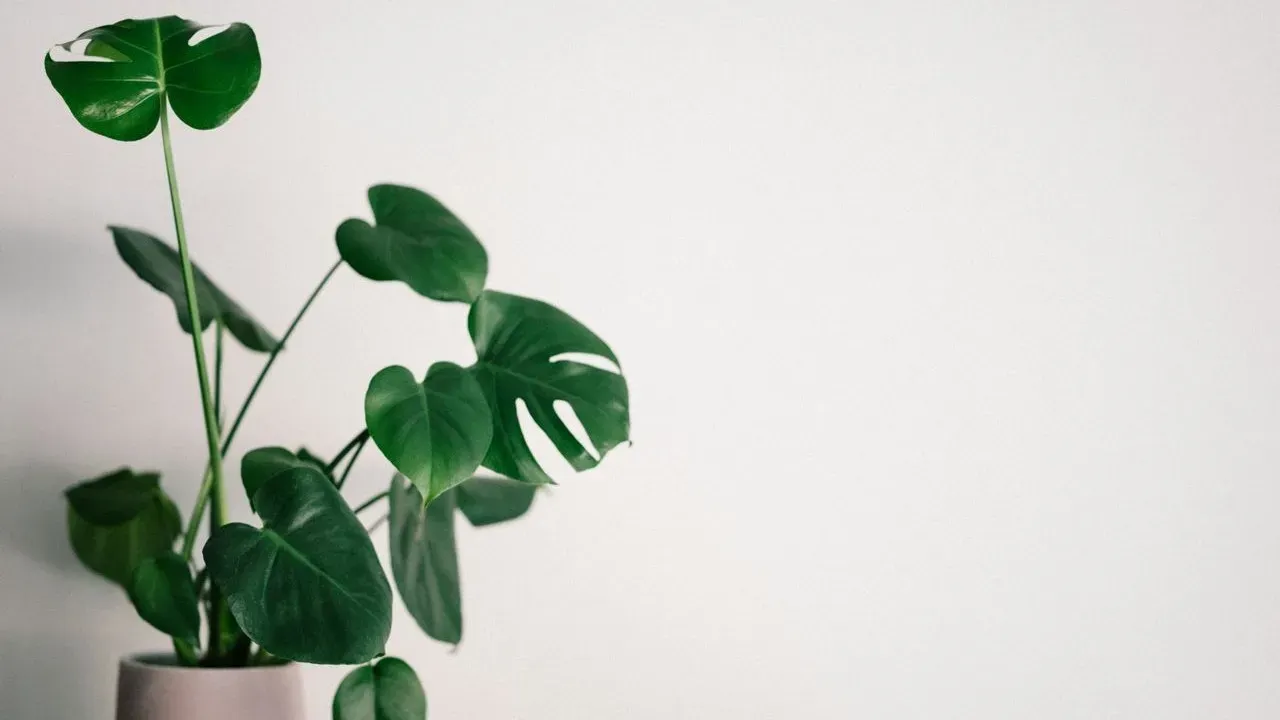

As days shorten and outdoor gardens wind down, many gardeners turn their attention indoors to keep plants thriving through the colder months. A simple routine of adjusting care for houseplants and starting a forcing project with spring bulbs can bring color and life inside long before the next growing season arrives. The process begins with modest changes that match the natural slowdown of plant growth. ([1])
Adjusting Houseplant Care for the Season
Houseplants often respond to shorter days and cooler indoor temperatures by slowing their growth. This natural pause means they require less fertilizer and water than they did during the active summer months. Overfeeding or overwatering at this stage can lead to weak stems or root problems that become noticeable later.
Another practical step involves repositioning plants that show signs of stress. If leaves begin to drop, moving the pots closer to windows or into brighter exposures often helps restore balance. These small shifts take advantage of the limited natural light available indoors during late fall and early winter.
Starting the Bulb-Forcing Process
One of the most rewarding indoor projects for this time of year involves potting up spring-flowering bulbs with the goal of winter blooms. The technique relies on a period of cold treatment that mimics outdoor winter conditions. Gardeners pot the bulbs so their tips remain exposed, then moisten the soil before placing the containers in refrigeration.
The cold period typically lasts 10 to 13 weeks. After that chilling phase, the pots move to a cool, sunny location where the bulbs can complete their development. An additional three weeks or so in this brighter spot usually brings the flowers into view, offering a welcome preview of spring while snow may still cover the ground outside.
Success depends on steady moisture levels during refrigeration and careful monitoring once the pots come out. Choosing varieties known for reliable forcing, such as certain tulips, daffodils, or hyacinths, increases the chances of a satisfying display. The entire sequence turns a quiet November task into months of indoor color.
Why These Steps Matter Now
November sits at a useful transition point between the last outdoor chores and the long indoor season. Completing the bulb project early gives the required cold treatment time to finish before the holidays or the depths of winter. At the same time, dialing back houseplant maintenance prevents common problems that arise when care routines do not match the plants’ reduced activity.
Together, these adjustments create a more balanced indoor garden environment. They also build anticipation for the blooms that will appear once the chilling requirement is met. Many gardeners find that the modest effort invested now pays off with healthier plants and unexpected flowers during the shortest days of the year.
Key points to remember
- Reduce fertilizer and water for houseplants as growth slows.
- Relocate plants to sunnier spots if leaves start dropping.
- Pot spring bulbs with tips exposed, moisten soil, and refrigerate 10 to 13 weeks.
- Move chilled pots to a cool, sunny area for final development.
Looking Ahead to Indoor Color
The quiet work of November often determines how lively an indoor space feels through the winter. By matching care to the season and beginning the bulb-forcing timeline, gardeners create their own small cycle of renewal. The result is a home that stays connected to the rhythms of growth even when the landscape outside has gone dormant.
AI Disclaimer: This article was created with the assistance of AI tools and reviewed by a human editor.