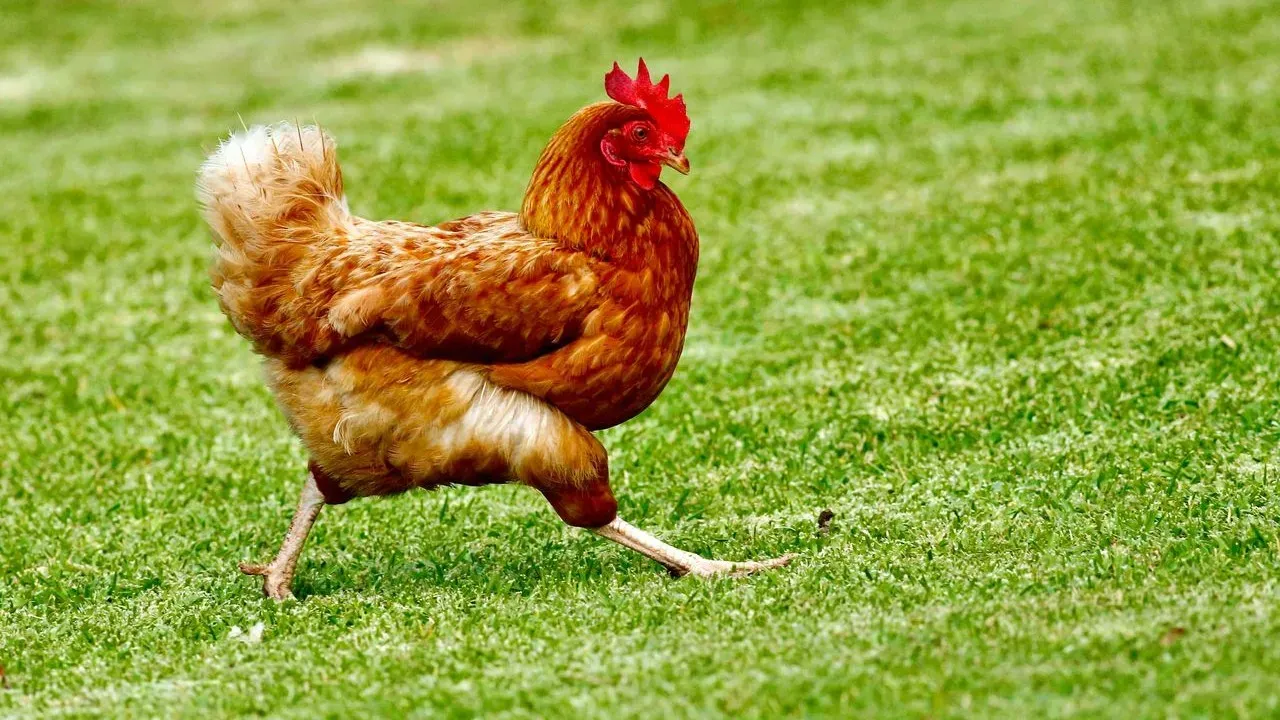

A routine morning check of the flock can turn up a problem that is messy, slightly comical, and easy to miss until it becomes serious. The Homestead Gardener [1] piece begins with that kind of walk through the coop, where everything looks fine at first. The condition behind the concern is usually called pasty butt, and it is one of the most common issues backyard keepers face. ([1])
Why droppings stick around the vent
Pasty butt happens when droppings harden or stick to the feathers and down around a bird’s vent. The Chicken Chick [2] notes that a blockage forming from that buildup can be fatal unless it is removed. The condition is most often seen in young chicks, though adult hens can develop related problems.
Several factors tend to trigger it. Stress and temperature swings sit at the top of most lists. Chicks that arrive by mail are especially vulnerable, since transport stress and heat or cold in the shipping box can upset their digestion. Overheating from a brooder lamp that is set too high is another frequent culprit, and chilling can cause the same loose, sticky output.
- Stress from shipping, handling, or loud surroundings
- Cold or overheating, often linked to brooder lamps
- Dehydration or a poor diet, especially heavy use of treats
- Less commonly, bacterial, viral, or parasitic infections
Diet deserves particular attention. The Peasant’s Daughter [3] lists dehydration and treats among the common causes, and advises keepers to hold off on treats for young birds. Poorly digestible feed can thicken the contents of the intestine, which then produces the sticky droppings that cling to the vent. A-Z Animals [4] describes this link between digestion and the problem.
Cleaning the vent without making things worse
The safest approach begins with warmth and patience. Soften the dried material with lukewarm running water rather than tugging at it, since pulling can tear delicate skin and pull out down. Work in a warm room to limit chilling, then dry the bird thoroughly. The Chicken Chick [2] recommends drying with a towel and then a hair dryer on low heat, because a damp vent can draw pecking from other chicks once the bird returns to the brooder.
Opinions differ on whether to add anything afterward. Some keepers apply a little petroleum jelly to reduce future sticking, particularly when the skin looks sore. Raising Happy Chickens [5] suggests this for recurring cases. Others argue that greasy products are not very effective and can make the area more noticeable to flock mates, which can lead to picking. Monitoring hygiene regularly is a simpler option that many keepers prefer.
What matters now: most cases of pasty butt in chicks resolve quickly once the cause is corrected. Southland Organics [6] reports that the condition typically clears within a day or two when brooder temperature or hydration is fixed. Persistent cases point to an environmental or dietary problem that needs attention, not only more cleaning.
When the problem signals something larger
Pasty butt in older birds calls for a different look. Adult hens generally do not develop it in the same way, but they can develop vent gleet, which is an inflammation of the vent or cloaca. The Peasant’s Daughter [3] notes that vent gleet requires a different treatment approach and may need veterinary care and medication.
Parasites and mites can also leave a messy rear end, so a bird that keeps soiling itself after the vent is clean deserves closer inspection. The Happy Chicken Coop [7] points out that when more than one chick repeatedly has the problem, an underlying illness may be involved. Keepers who see lethargy, a bird separating from the flock, or skin that stays irritated should contact a veterinarian who treats poultry.
The simplest lesson from the coop check is that the cleaning is only half the job. Warm water, careful drying, and a steady brooder environment handle most cases, while a bird that keeps returning to the same problem usually needs a closer look at its diet, water, and health.
AI Disclaimer: This article was created with the assistance of AI tools and reviewed by a human editor.