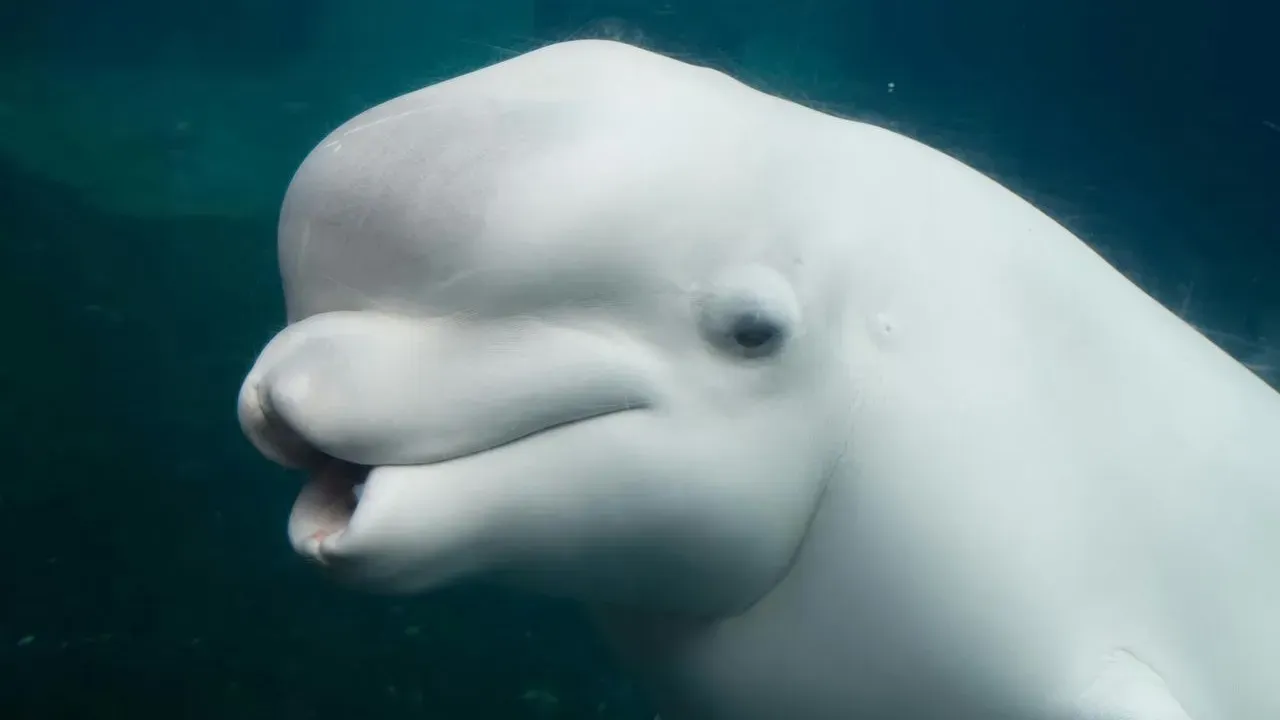

Chicago stands at the center of an ongoing international effort to relocate beluga whales from a closed Canadian theme park. The latest arrivals bring the total number of belugas now at the Shedd Aquarium to eight, part of a government-approved plan that addresses the future of animals left without a home after Marineland shut its doors. This transfer reflects coordinated action among multiple marine facilities to manage the animals’ care following years of operational decline at the Ontario site.
Timeline of the Relocation Effort
The Canadian government approved the rescue plan after Marineland announced its closure plans in early 2023 and stopped admitting visitors in late summer 2024. Twenty whales died at the facility between 2019 and the present, according to provincial records. The current operation moves 30 whales and four dolphins to five marine parks across North America and Europe.
The first group of four belugas reached Chicago in July. The second group followed in recent days, completing another leg of the multi-month process. Experts reviewed years of health records and traveled to Canada in advance to coordinate with former caretakers. Transport occurred in custom slings inside temperature-controlled containers designed for the long-distance trips.
Names and Initial Integration
The newest arrivals are named Caspian, Peekachu, Rain and Secord. They joined three belugas already living at the Shedd. Staff introduced the groups gradually through gates to identify compatible pairings before allowing full access to shared space. Belugas are highly social, and early observations showed signs of affiliation such as paired swimming and vocal exchanges. The animals continue to adjust on a day-by-day basis under close supervision. Care teams track food intake, body condition, and behavioral cues including relaxed swimming patterns.
Daily Monitoring and Veterinary Care
Shedd staff monitor the whales hour by hour and minute by minute. Veterinarians examine the animals for any signs of soreness or bruising that might result from transport. The whales display distinct personalities and expressive facial features that help caretakers assess their condition. Dr. Karisa Tang, the aquarium’s lead veterinarian, noted that each whale receives individualized attention during this period. Charlie Jacobsma, director of animal behavior and training, described the overall operation as complex and unprecedented. Both emphasized the importance of gradual social integration and consistent observation.
Destinations and Long-Term Stakeholders
The full relocation plan distributes the animals among five facilities. The list includes:
- Shedd Aquarium in Chicago
- Georgia Aquarium in Atlanta
- SeaWorld San Antonio
- SeaWorld San Diego
- Oceanografic Valencia in Spain
Aquariums, government regulators, and former Marineland staff all share responsibility for the animals’ transition. The effort prioritizes established marine facilities with resources to support long-term care. The practical outcome of the plan is continued access to specialized veterinary support and social environments for the whales. Ongoing observation will determine how the new groups settle into their updated surroundings.
AI Disclaimer: This article was created with the assistance of AI tools and reviewed by a human editor.