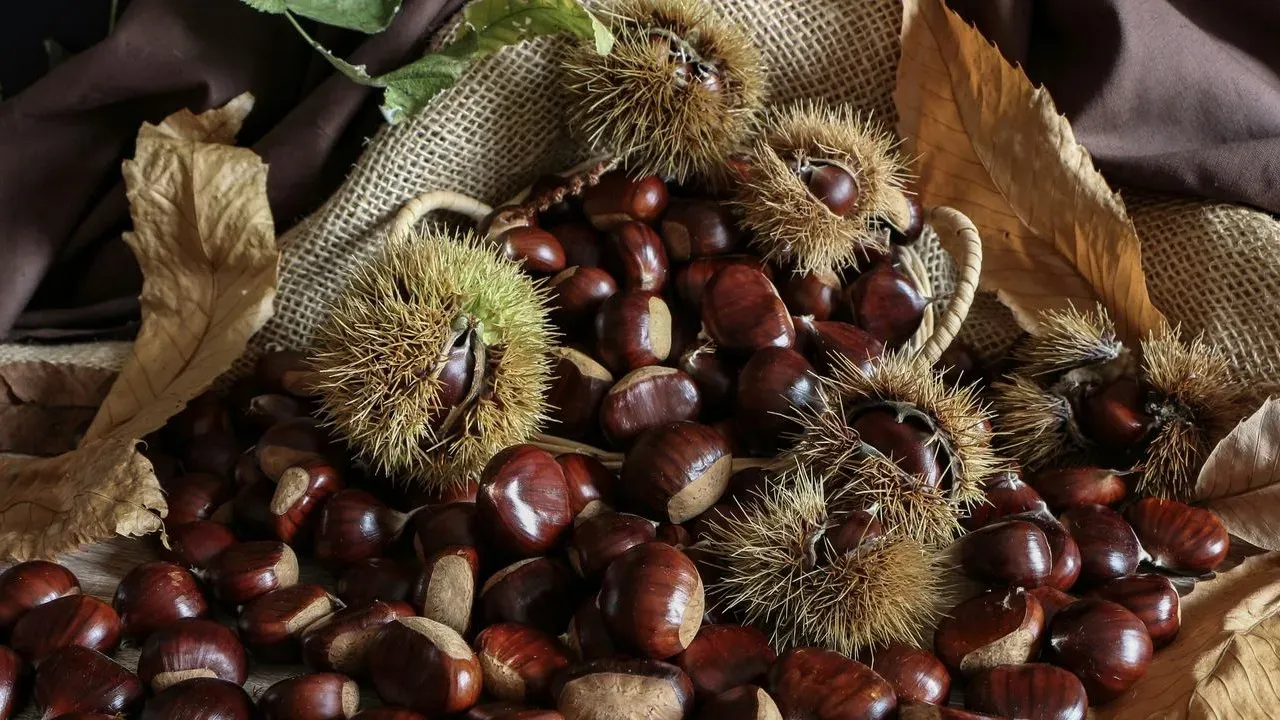

Gardeners seeking reliable nut production often face a narrow set of options shaped by climate, soil, and processing demands. In many regions, familiar choices like black walnuts or pecans deliver mixed results, while tropical varieties remain out of reach. One grower’s experience highlights how chestnuts have outperformed several alternatives in recent plantings. ([1])
Limitations of Other Nut Tree Options
Black walnut trees can produce abundant nuts, yet the flavor often fails to appeal and extracting the meat requires considerable effort. Hazelnuts have been tried with moderate success in growth, though local conditions limit expectations for consistent yields. Hickory varieties offer tasty kernels, but cracking them open remains labor-intensive even with simple tools like hammers.
Pecans perform reasonably well until storms intervene, prompting additional plantings to expand an existing stand of older trees. Almonds and pistachios encounter humidity-related issues that damage harvests, alongside pest pressures and temperature constraints. Ginkgo trees produce edible nuts but prove difficult to source in fruiting form because of the strong odor associated with female specimens, and they require many years before bearing.
Why Chestnuts Have Gained Favor
Chestnuts have shown quicker returns and greater adaptability in the same setting. Plantings of Chinese and Dunstan varieties began around 2022, with initial small harvests arriving by the third year. These trees tolerate a range of soils and fit within zones 5 through 9, with potential extension into zone 4 under favorable microclimates.
The trees integrate easily into mixed plantings such as food forests or dedicated garden rows, and one specimen even stands alone in a front yard. Their smaller stature compared with historic American chestnuts does not diminish their value for home-scale production. American chestnuts once dominated eastern forests before blight nearly eliminated them, leaving hybrid options like Dunstan as practical substitutes that carry some native genetics.
Harvest Timing and Everyday Use
Early yields from young trees provide encouragement for continued expansion. The nuts can be prepared by boiling, which yields a flavor reminiscent of white sweet potatoes with added nuttiness. Attempts at roasting have produced less satisfactory results, leaving the boiled method as the preferred approach so far.
These characteristics make chestnuts a low-barrier entry point for gardeners who want nuts without extensive infrastructure or long waits. Their precocious nature stands in contrast to species that demand decades or specialized handling before any return appears.
Practical Considerations for Future Plantings
Continued observation will determine how well the current chestnuts hold up over time and whether additional varieties can be introduced. Interest remains in locating blight-resistant American chestnuts that might thrive locally, with plans to add more if suitable stock becomes available. The overall pattern suggests that matching tree selection to regional realities remains essential for steady results.
Home growers weighing similar choices may find value in starting with a few chestnuts alongside any existing pecans or hickories already on the property. This measured approach balances experimentation with the proven performance of one standout option.
AI Disclaimer: This article was created with the assistance of AI tools and reviewed by a human editor.