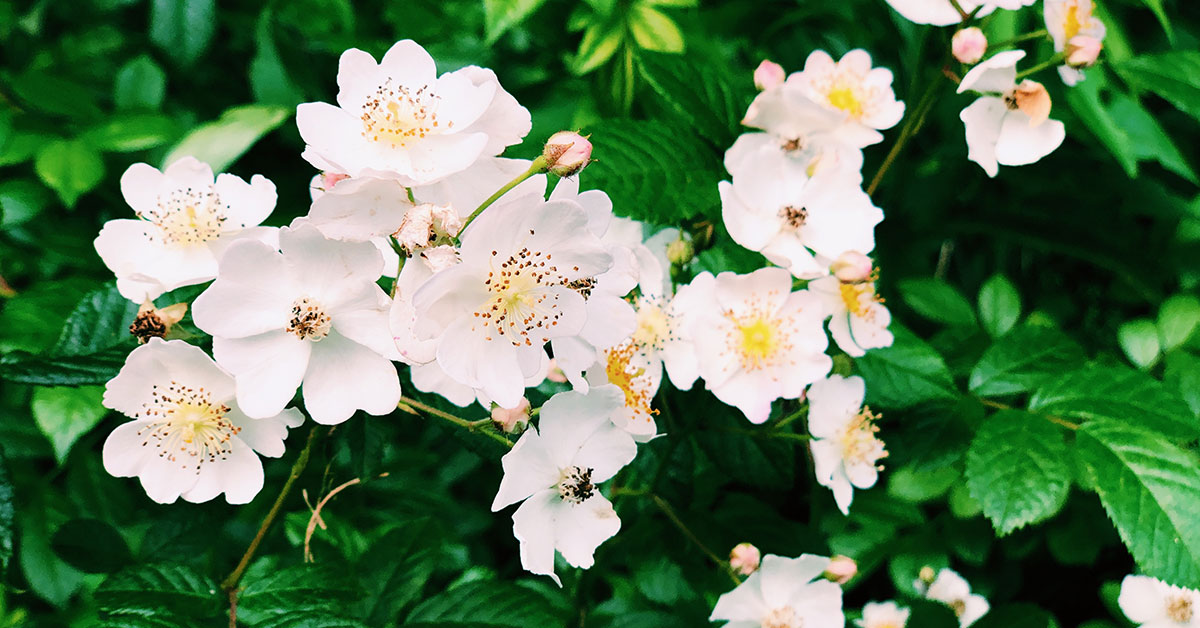

The Cherokee Rose, scientifically known as Rosa laevigata, is a captivating and resilient flowering plant that holds great cultural significance. Native to East Asia, this beautiful rose species has found its way to various parts of the world, including North America, where it has become an integral part of the region’s history and folklore.
With its delicate white petals and enchanting fragrance, the Cherokee Rose has captured the hearts of many and become an emblem of strength and beauty. We will explore the fascinating characteristics and intriguing history of the Cherokee Rose, uncovering the secrets behind its enduring popularity and the legends that surround it.
What is a Cherokee Rose?
The Cherokee Rose, scientifically known as Rosa laevigata, is a stunning flowering plant that belongs to the Rosaceae family. It is native to East Asia, particularly China, Taiwan, and Korea, but has also been introduced and naturalized in various regions around the world. This beautiful rose species has garnered attention for its unique characteristics and fascinating history. In this section, we will delve into the captivating world of the Cherokee Rose and explore its defining features.
The Cherokee Rose has an intriguing origin story, as its name suggests. Although it is not native to North America, it holds great significance among the Cherokee people in the United States. According to legend, the Cherokee Rose is said to have grown from the tears shed by Native American mothers during the Trail of Tears, a tragic forced relocation of indigenous tribes in the 19th century. This symbolic association with resilience and hope has made the Cherokee Rose an emblematic flower for many communities.
One cannot help but be captivated by the elegant beauty of the Cherokee Rose. This climbing rose species typically grows on arching canes, capable of reaching impressive lengths. Its foliage consists of dark green, glossy leaves that provide an attractive backdrop to the stunning flowers. The blooms of the Cherokee Rose are large, single-petaled, and fragrant, with a pure white color that exudes purity and grace. The flowers have a golden center, which adds a touch of vibrancy to their overall appearance.
Beyond its natural allure, the Cherokee Rose holds immense cultural significance in various parts of the world. As mentioned earlier, it is revered by the Cherokee people, who consider it a symbol of hope, resilience, and beauty. In China, the Cherokee Rose has been cultivated for centuries and is associated with fertility and love. Additionally, its tea is believed to have medicinal properties and is consumed for its potential health benefits. The Cherokee Rose has also been adopted as the state flower of both Georgia and Alabama in the United States.
For those who wish to introduce the Cherokee Rose to their garden, it is important to understand its growth requirements. This rose species thrives in full sun and well-drained soil, although it can tolerate a variety of soil types. Regular pruning is necessary to maintain its shape and encourage healthy growth. The Cherokee Rose is known for its vigorous nature, making it an ideal choice for covering fences, arbors, and trellises. With proper care and attention, this rose can bring a touch of elegance and cultural history to any landscape.
Where is Cherokee Rose native?
The Cherokee Rose is a beautiful flowering plant that holds great significance in several cultures. Native to East Asia, this species of rose has also found its way to various parts of the world, including the United States.
In its natural habitat, it is primarily found in China, Taiwan, Vietnam, and Japan. The rose was introduced to the United States in the late 18th century and has since become naturalized in certain regions. While not native to the US, the Cherokee Rose has made its mark in various states, particularly in the southeastern part of the country.
One of the states where the Cherokee Rose is commonly found is Georgia. In fact, it has been designated as the official state flower of Georgia since 1916. The rose’s association with the state stems from the Trail of Tears in the 1830s when the Cherokee people were forcibly relocated from their ancestral lands to Oklahoma. The rose was said to have bloomed along the path they traveled, symbolizing the tears shed by the Cherokee during this tragic event.
Apart from Georgia, the Cherokee Rose can also be found in other southeastern states, including Alabama, Florida, Louisiana, Mississippi, and South Carolina. Its ability to adapt to a variety of environments has allowed it to thrive in these regions, where it often grows along roadsides, in fields, and near bodies of water.
The Cherokee Rose’s distinctive characteristics make it easily recognizable. It produces large, white flowers with a yellow center, which are known for their pleasant fragrance. The plant itself is a climber, capable of reaching heights of up to 20 feet, with its thorny branches providing support as it grows.
While the Cherokee Rose may not be native to the United States, its presence in certain states, particularly in the Southeast, has become deeply intertwined with local culture and history. Whether it’s adorning landscapes, symbolizing resilience, or simply adding a touch of beauty, the Cherokee Rose continues to captivate those who encounter it in its adopted home.
Symbolism
The Cherokee Rose (Rosa laevigata) holds significant symbolism and meaning, particularly within the context of Native American culture and history. It is also the state flower of Georgia in the United States, where it holds additional symbolic significance related to a historical event.
Cherokee Nation Symbolism
The Cherokee Rose is deeply connected to the Cherokee Nation, a Native American tribe indigenous to the southeastern United States, particularly Georgia and surrounding regions. According to Cherokee legend, the rose came into existence during the Trail of Tears, a devastating event in the 1830s when the U.S. government forcibly removed Native American tribes, including the Cherokee, from their ancestral lands and relocated them to Indian Territory (present-day Oklahoma).
Legend has it that during this arduous journey, which resulted in the deaths of thousands of Cherokee people due to harsh conditions, sickness, and exposure, the elders prayed for a sign of hope and guidance. In response to their prayers, a beautiful white rose with a gold center appeared along the path, symbolizing the tears shed by the Cherokee people and offering them hope and comfort during their time of suffering.
Symbol of Strength and Resilience: The Cherokee Rose has since become a symbol of strength, resilience, and survival. It represents the ability to endure and thrive even in the face of adversity and hardship, as demonstrated by the Cherokee people’s resilience during the Trail of Tears and their ability to maintain their cultural identity and traditions despite immense challenges.
Cultural Identity and Heritage: For the Cherokee Nation, the Cherokee Rose serves as a reminder of their cultural identity and heritage. It represents the deep connection between the people and the land, as well as their historical struggle to preserve their way of life in the face of forced removal and assimilation.
State Flower of Georgia: Beyond its association with the Cherokee Nation, the Cherokee Rose holds additional symbolic significance in Georgia. In 1916, the Georgia General Assembly designated the Cherokee Rose as the state flower as a tribute to the legend associated with the Trail of Tears, which passed through the state.
In summary, the Cherokee Rose carries profound symbolism related to the history, culture, and resilience of the Cherokee Nation. It stands as a powerful reminder of the strength to overcome adversity and the importance of preserving cultural identity and heritage.
How to start from seed
Starting plants from seeds can be a rewarding and cost-effective way to grow your own Cherokee Roses. We will guide you through the step-by-step process of starting Cherokee Rose from seed.
Preparing the Seeds: Before planting, it is essential to prepare the Cherokee Rose seeds for optimal germination. Cherokee Rose seeds require a period of cold stratification to mimic winter conditions and break their dormancy. Place the seeds in a moist paper towel or in a sealed plastic bag with a slightly damp paper towel. Keep them in the refrigerator for 3-4 weeks.
After stratification, some gardeners choose to scarify the seeds to increase germination rates. Use sandpaper or a small file to gently nick the seed coat, being careful not to damage the embryo.
Planting the Seeds: Now that your seeds are prepared, it’s time to plant them. Fill the seed tray or pots with the seed-starting mix, leaving a small gap at the top for watering. Sow the seeds on the surface of the mix, spacing them about an inch apart. Press them gently into the soil, ensuring good seed-to-soil contact.
Lightly water the seeds using a watering can or spray bottle, ensuring the soil is evenly moist. Cover the tray or pots with clear plastic wrap or a humidity dome to create a greenhouse-like environment. This will help retain moisture and provide the necessary humidity for germination.
Place the tray or pots in a warm location with indirect light or under grow lights. Cherokee Roses require temperatures around 70-75°F (21-24°C) for optimal germination.
Caring for the Seeds: To promote successful germination and healthy seedlings, follow these care instructions.
- Moisture: Check the soil moisture regularly and water as needed. Avoid overwatering, as it can lead to damping-off disease.
- Light: Once the seeds have germinated, remove the plastic wrap or humidity dome and place the tray or pots in a sunny location or under grow lights. Provide 12-16 hours of bright, indirect light daily.
- Transplanting: When the seedlings have developed their second set of true leaves, they are ready to be transplanted into individual pots. Handle them carefully to avoid damaging the delicate roots.
- Hardening Off: Before planting the seedlings outdoors, gradually expose them to outdoor conditions over a period of one to two weeks. This process, known as hardening off, helps the seedlings adjust to the change in environment.
How to grow this plant in your garden
The Cherokee Rose is a beautiful and versatile flowering plant that can bring a touch of elegance to any garden. Native to East Asia, this rose species has been cultivated for centuries and is well-loved for its large, white, and fragrant blooms. If you’re looking to grow Cherokee Rose in your garden, here are some essential tips to get you started.
- Choosing the Right Location:
To ensure the healthy growth of your Cherokee Rose, it’s crucial to select an appropriate location. These roses require full sun exposure, so choose a spot in your garden that receives at least six hours of direct sunlight each day. Additionally, ensure that the soil is well-draining, as Cherokee Roses don’t tolerate standing water. - Soil Preparation:
Before planting your Cherokee Rose, it’s important to prepare the soil properly. These roses prefer slightly acidic to neutral soil with a pH range of 6.0 to 7.0. Test your soil’s pH levels and make necessary amendments to achieve the ideal range. Incorporating organic matter, such as compost or well-rotted manure, can also help improve the soil’s fertility and drainage. - Planting:
Cherokee Roses can be planted either in spring or fall, depending on your climate. Dig a hole that is slightly larger than the root ball of the plant and place the rose in the hole, ensuring that the bud union (the swollen area where the rose is grafted onto the rootstock) is at or slightly above ground level. Backfill the hole with soil, gently firming it around the roots. Water the plant thoroughly after planting to settle the soil. - Watering and Fertilizing:
Proper watering is essential for the healthy growth of Cherokee Rose. Water deeply and consistently, ensuring that the soil is evenly moist but not waterlogged. During hot and dry periods, increase the frequency of watering. Additionally, fertilize your rose plant in early spring and mid-summer using a balanced rose fertilizer to promote robust growth and abundant blooms. - Pruning and Training:
Cherokee Roses can benefit from regular pruning to maintain their shape and vigor. Prune in late winter or early spring, removing dead, damaged, or crossing branches. Additionally, thin out the center of the plant to improve air circulation and reduce the risk of disease. If you’d like to train your Cherokee Rose on a trellis or support, start training the young canes early, carefully tying them to the structure as they grow.
Interesting facts about Cherokee Rose
The Cherokee rose (Rosa laevigata) is a species of wild rose that is native to the southeastern United States. The Cherokee rose is an important symbol to the Cherokee Nation, and its flowers, wood, and leaves have been used both medically and ceremonially throughout the Cherokee Nation’s history. It has also been used to treat illnesses, improve healing, and for spiritual rituals.
Appearance and Characteristics: The Cherokee rose is an erect evergreen shrub that typically grows 6-8 feet tall and wide. Its dark-green foliage is glossy and thick, with pointed elliptical leaves that are deep yellow-green on the upper surface and silver-green on the underside. Its shiny, slightly fragrant, white cup-shaped flowers appear in early summer and are followed by bright red hips.
Adaptations and Survival Strategies: The Cherokee rose has deep lateral roots that support a strong fibrous tap root, making it very drought tolerant. Its thick foliage provides protection from cold winter temperatures, and its showy flowers attract pollinators. The Cherokee rose is also extremely versatile and can survive in a variety of habitats, including dry sandy soils and acidic climates.
Cultural Uses and Symbolism: The Cherokee rose has long served as a crucial symbol of resilience and strength for the Cherokee people. The white petals of the flower are said to represent the tears of the Cherokee people, and it has also been used in spiritual ceremonies and medicinal practices. The wood of the Cherokee rose is also used to make a traditional bow and arrows, and its leaves are used for tea.
Conservation Status and Threats: The Cherokee rose is listed as a species of least concern by the IUCN Red List. However, in some parts of the species’ range, it is threatened by habitat loss due to deforestation and the conversion of its habitat to agricultural and developed lands. Invasive species, such as the Chinese wisteria, also compete with the Cherokee rose for space. Consequently, it is important to conserve and restore the native habitats of this species.