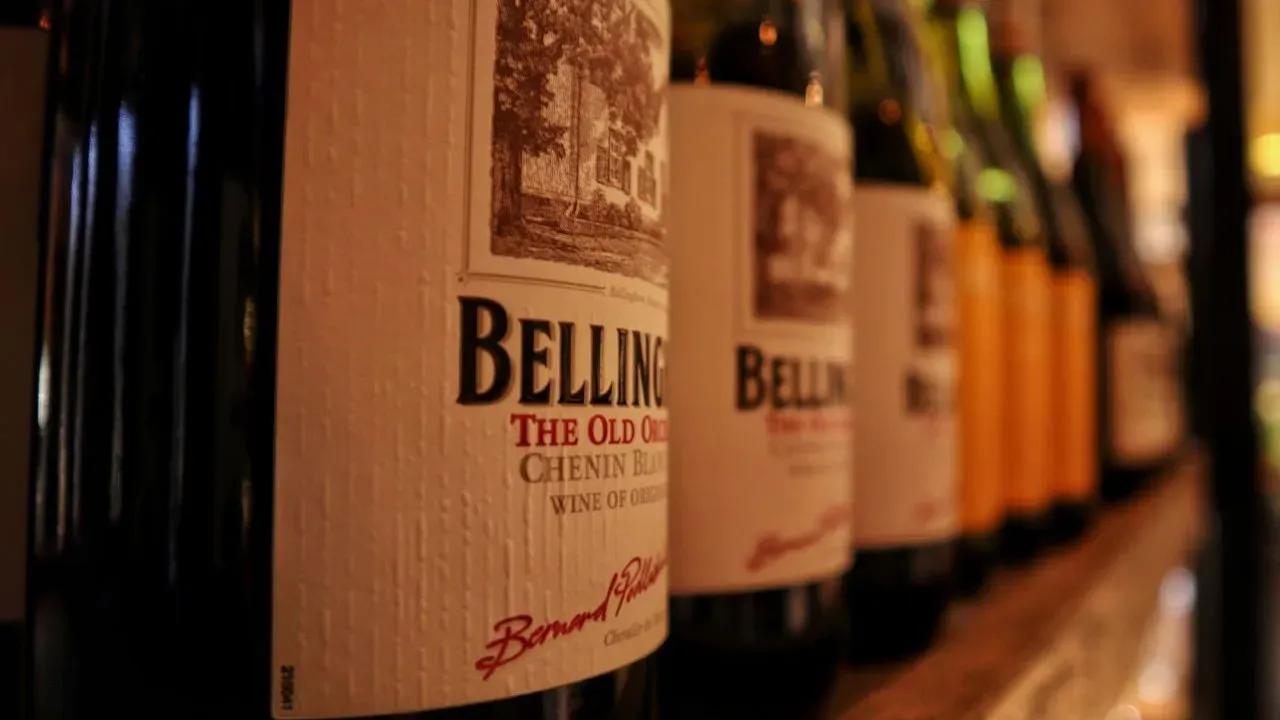

American producers are expanding their work with Chenin Blanc, a versatile white grape that has long been under the radar in the United States. The shift is most visible in California, where additional growers are turning out high-quality wines as more drinkers become familiar with the variety. This development reflects a broader business adjustment among vineyard operators seeking reliable, adaptable grapes for changing market conditions. ([1])
Practical Drivers Behind the Shift
Chenin Blanc offers growers flexibility in the vineyard and in the cellar. It performs across a range of climates and soils, which reduces some of the risks tied to more temperamental varieties. American producers, particularly those in California, have begun to treat the grape as a practical option rather than a niche experiment.
The timeline shows steady rather than sudden growth. Interest has built over recent years as winemakers test plantings and refine techniques. Stakeholders include vineyard owners who must decide on long-term commitments to new acreage, as well as distributors and retailers who track what consumers will actually purchase.
California as the Main Testing Ground
California accounts for the clearest concentration of new activity. The state’s varied growing regions allow producers to explore different expressions of the grape while maintaining commercial volumes. This regional focus gives American Chenin Blanc a distinct identity separate from traditional sources overseas.
Producers report that the grape supports both still and sparkling styles, which helps spread commercial risk. The move also aligns with efforts to diversify portfolios beyond heavily planted varieties that face oversupply pressures. Growers weigh these factors when allocating resources and planning future harvests.
Reaching a Wider Audience
Consumer familiarity remains the key variable. As more bottles reach shelves and restaurant lists, drinkers encounter Chenin Blanc in everyday settings rather than only at specialty shops. This gradual exposure supports steady demand growth without requiring dramatic marketing campaigns.
Industry observers note that the grape’s food-friendly profile helps it fit into regular dining rather than special-occasion purchases. Producers therefore view the current phase as an investment in long-term market position. The outcome will depend on consistent quality and continued availability across price points.
Key points for growers and buyers:
- Chenin Blanc adapts to multiple California climates and soils.
- Producers are increasing plantings and refining winemaking approaches.
- Audience awareness is rising through wider retail and restaurant placement.
Continued expansion will hinge on how well the grape meets both production realities and consumer preferences in the years ahead. California operations are positioned to lead that test.
AI Disclaimer: This article was created with the assistance of AI tools and reviewed by a human editor.