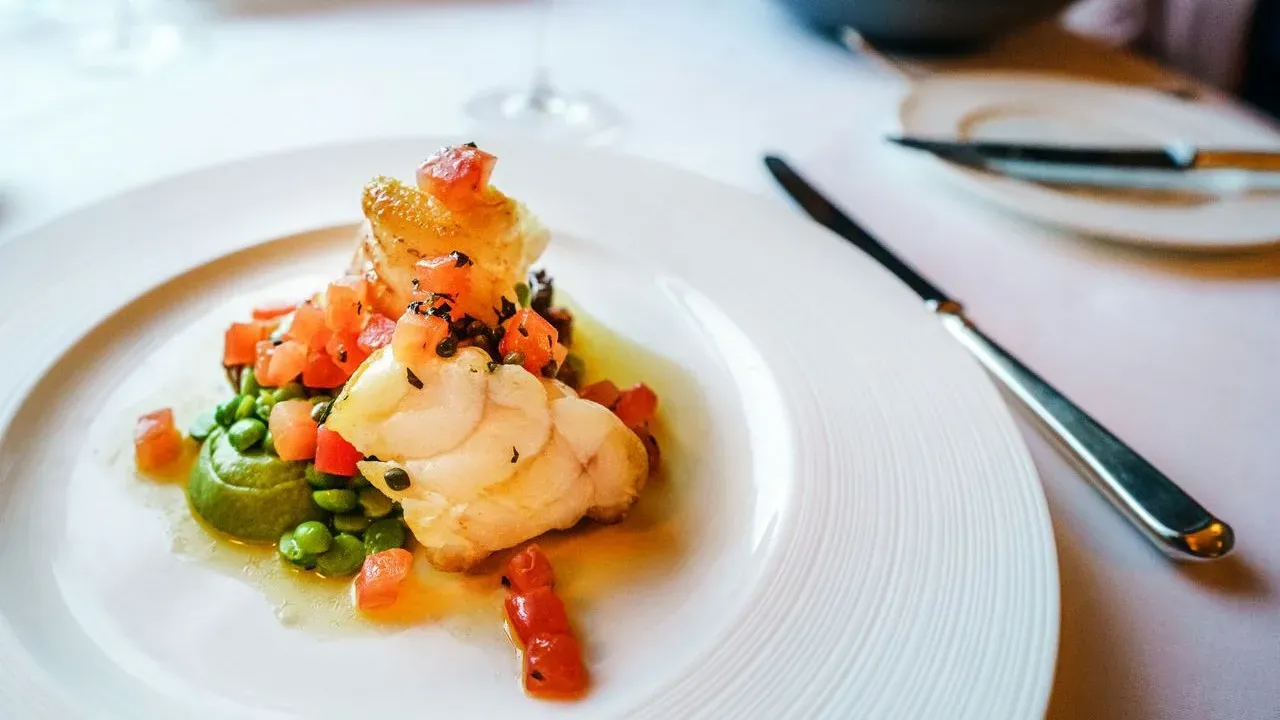

New Orleans has long celebrated its Creole culinary traditions as a distinctive blend of influences. Yet one chef is now drawing direct lines back to West Africa in ways that are reshaping how the city understands its own food heritage. At Dakar NOLA, Serigne Mbaye presents dishes that highlight those deeper connections, offering diners a fresh lens on familiar flavors.
A Chef’s Personal Journey Shapes the Menu
Serigne Mbaye brings his own background to the kitchen in a manner that feels both personal and deliberate. His approach centers on ingredients and techniques that echo West African cooking practices, many of which traveled with enslaved people to Louisiana centuries ago. The result is a menu that treats Creole food not as an isolated invention but as part of a longer, transatlantic story. Diners encounter preparations that emphasize bold spices, slow-cooked stews, and grains prepared in ways that recall Senegalese and other regional traditions. Mbaye avoids simply replicating dishes from either continent. Instead, he adapts them to local seafood, produce, and the city’s existing palate, creating plates that feel rooted yet new.
Why This Matters in New Orleans Today
The city’s restaurant scene continues to evolve amid shifting tastes and renewed interest in cultural authenticity. Mbaye’s work arrives at a moment when many chefs and historians are reexamining how African influences shaped Southern cooking. Dakar NOLA stands out by making those links explicit on the plate rather than leaving them as abstract history. This focus has drawn attention from locals and visitors alike who seek experiences beyond standard gumbo or jambalaya presentations. The restaurant positions itself as a place for conversation as much as for meals, encouraging guests to consider the origins of the flavors they enjoy.
Key Elements That Define the Experience
Several aspects set Dakar NOLA apart from other New Orleans establishments: – Emphasis on West African staples such as fonio, okra preparations, and peanut-based sauces adapted with Gulf ingredients.
– A dining room atmosphere that blends modern design with subtle nods to Senegalese aesthetics.
– Service that includes explanations of dish histories, helping guests connect each course to broader cultural narratives.
– Collaborations with local farmers to source ingredients that support both Creole and West African flavor profiles. These choices create a cohesive identity that feels intentional rather than trend-driven.
What Matters Now
Mbaye’s efforts underscore a broader shift in how American cities are reclaiming and reframing their food histories. By grounding Creole cuisine in its West African foundations, Dakar NOLA invites a more complete appreciation of New Orleans’ culinary past and present. The approach demonstrates that innovation can come from looking backward with care and precision. The restaurant’s presence suggests that future menus across the city may increasingly acknowledge these layered origins. For now, it offers one of the clearest examples of how a single chef can prompt wider reflection on what Creole food truly represents.
AI Disclaimer: This article was created with the assistance of AI tools and reviewed by a human editor.