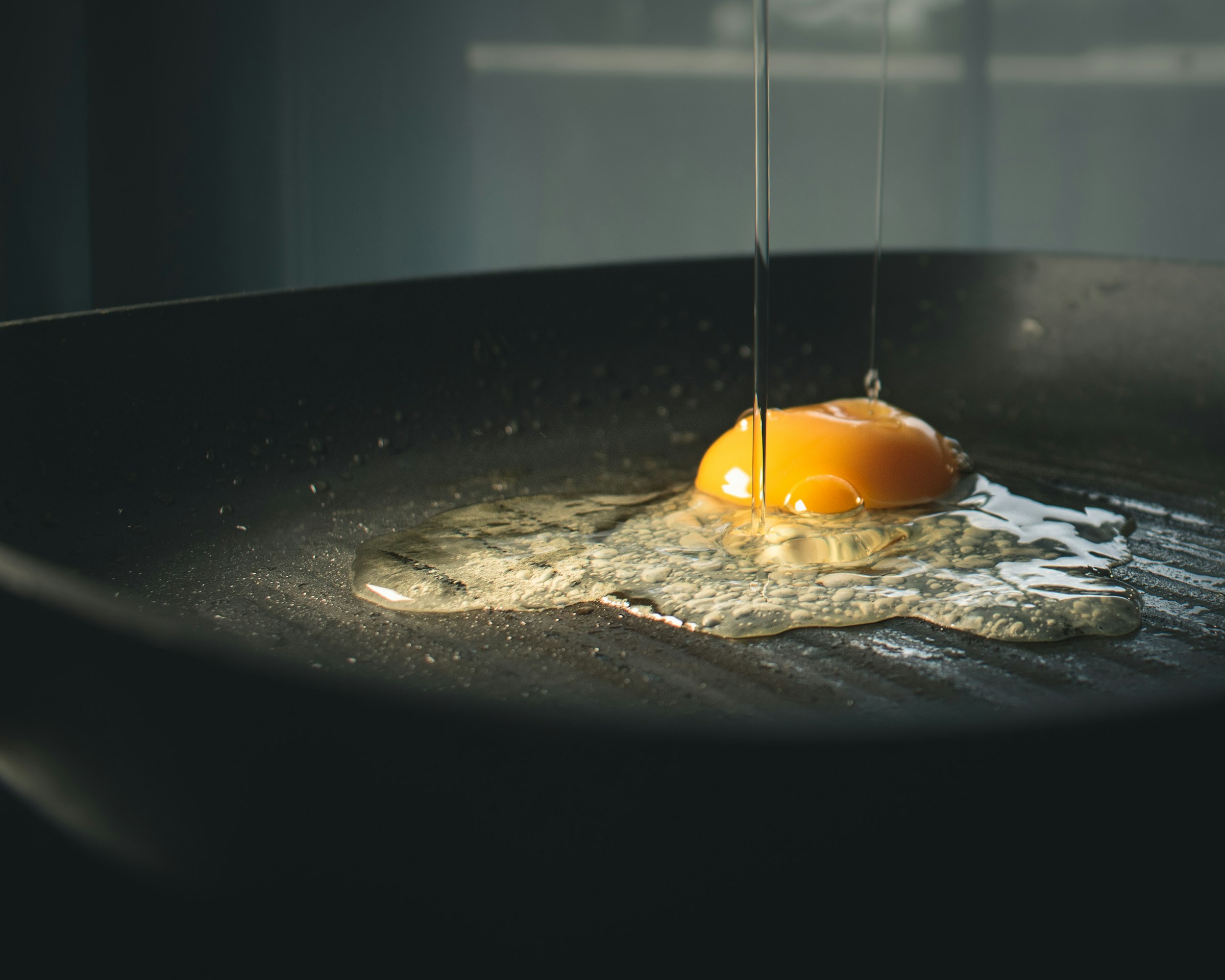

Eggs are one of the simplest things you can cook, yet somehow they’re also one of the easiest to get wrong. Ask ten people how they make scrambled eggs and you’ll get ten different answers, from butter versus oil to whether milk belongs anywhere near the bowl. But a video from a professional chef that’s been making the rounds online has zeroed in on a single habit that seems to trip up nearly everyone, and it has nothing to do with what you add to the eggs.
The Viral Tip That Started It All
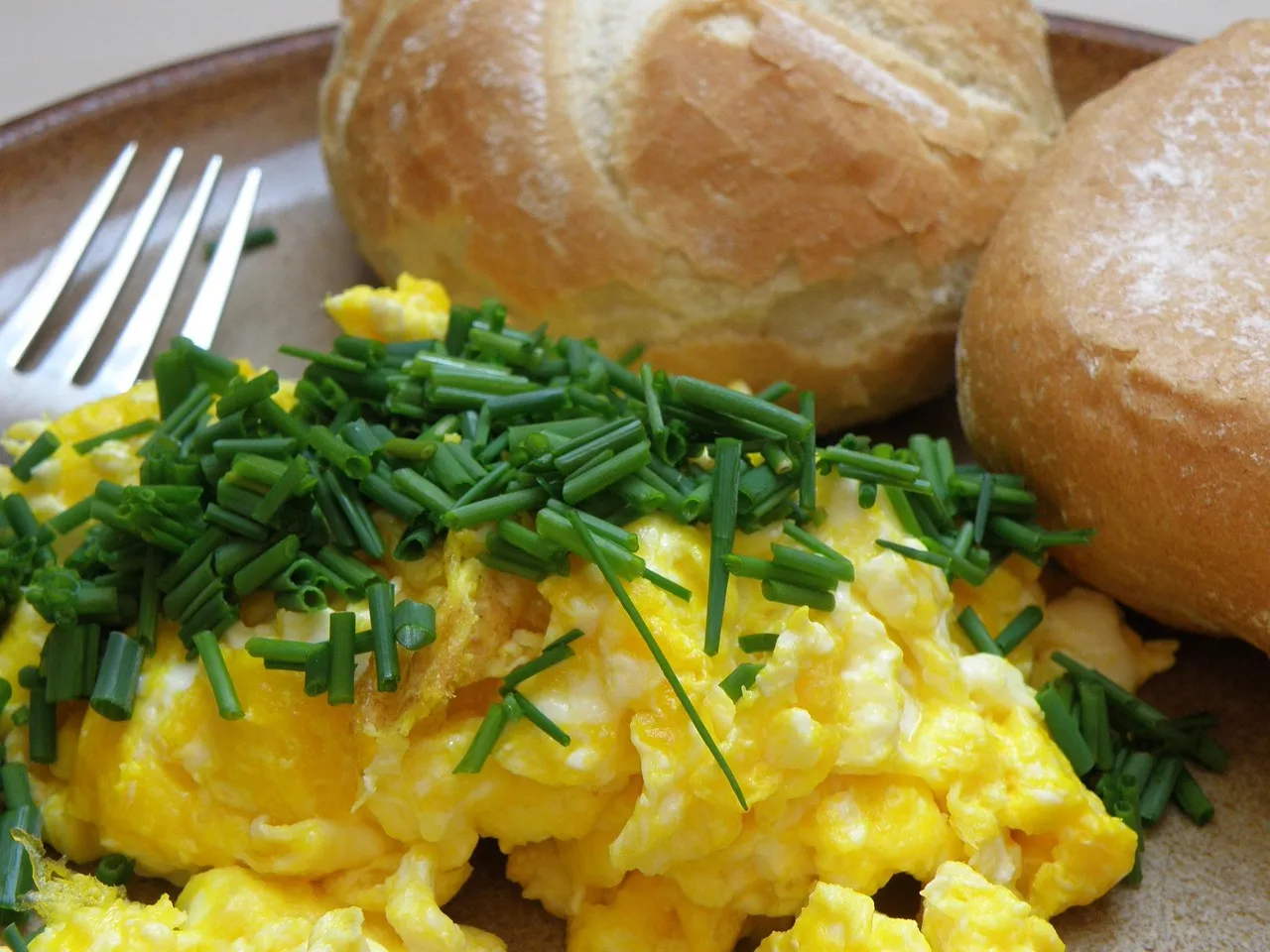
New Zealand chef Andy has explained there’s a common mistake many people make when cooking scrambled eggs and it’s all down to a timing error. Andy Hearnden, the maestro behind the @AndyCooks on TikTok, has enlightened home cooks on how to make flavor-packed dishes without professional expertise. In his video, he walked through the basic steps most people already know, room temperature eggs, a good crack, a proper beating with a fork. Then he got to the part that actually matters.
It’s Not the Seasoning, and It’s Not the Heat Setting
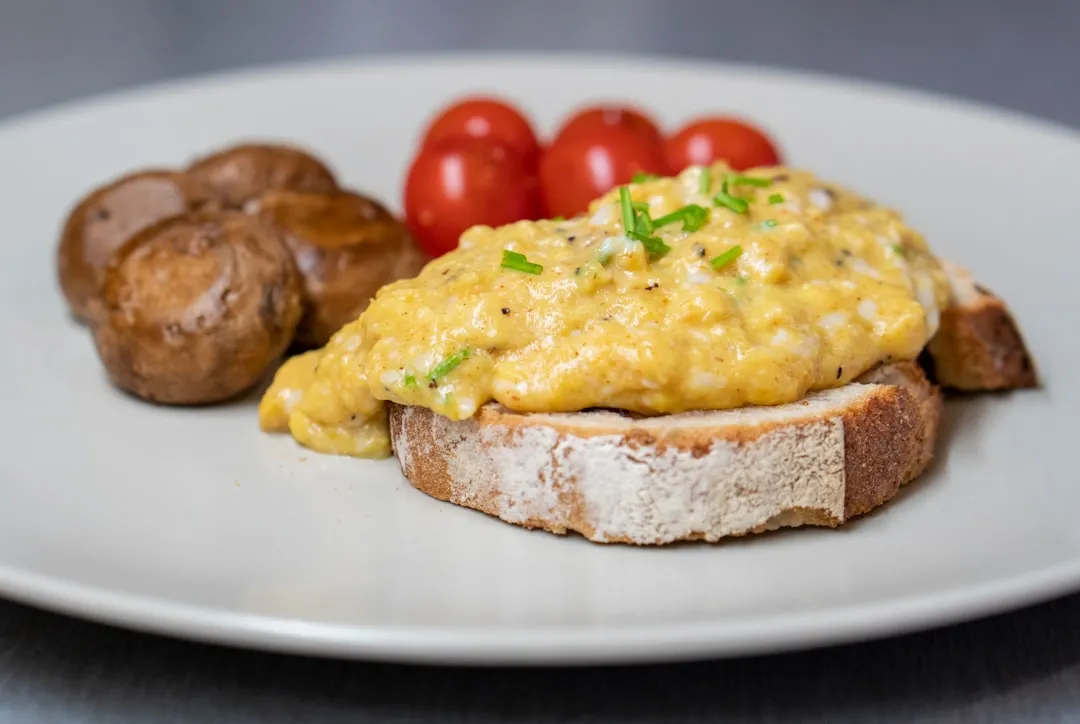
He starts with three room temperature eggs cracked in a bowl, but that’s not the mistake. He seasons them with salt and beats them well with a fork before setting a frying pan over medium heat, making sure it’s not too hot. He adds the eggs and continuously mixes them until reaching the desired temperature, and that’s not the mistake either. So what is it, then? Andy saved the actual answer for last, and it turns out to be about timing rather than ingredients or technique.
The Real Culprit: Pulling Them Off Too Late
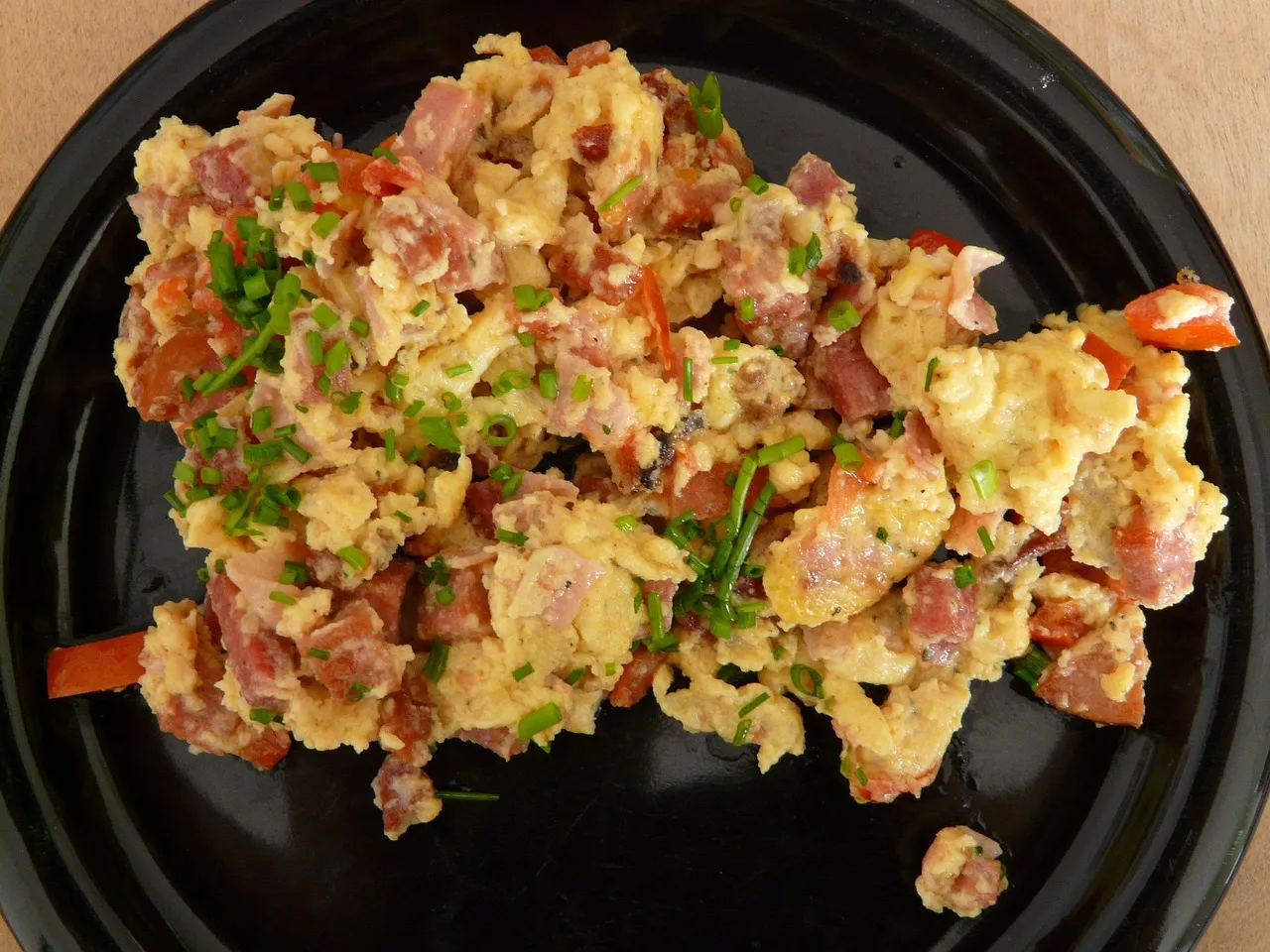
The mistake most people make is that they don’t take the eggs out of the pan soon enough, letting them overcook because of carry over cooking. His fix is simple, take them out of the pan about 30 seconds before you think they’re perfect. It sounds almost too easy to be the fix for a dish people have been struggling with for years. Yet that half minute of restraint is exactly what separates a creamy scramble from a dry, rubbery one.
What Carryover Cooking Actually Means
The error primarily stems from not grasping the concept of carryover cooking. This phenomenon refers to food continuing to cook even once it’s been removed from the heat, also known as resting or residual cooking, and it occurs because the food’s interior remains hotter than the exterior. The interior heat migrates to the cooler parts, potentially causing the food’s internal temperature to rise even after being removed from the heat source. Eggs cook fast and hold heat well, which makes them especially prone to this effect if you’re not paying close attention.
Why the Pan Stays Hot Long After You Turn Off the Stove
A hot skillet doesn’t cool down the moment the burner clicks off, and that’s the part a lot of home cooks overlook. The eggs sitting in that pan keep absorbing heat from the metal itself, not just from the flame beneath it. This is why chefs who understand thermal dynamics tend to pull food earlier than instinct tells them to. Waiting until eggs “look done” in the pan almost guarantees they’ll be overdone by the time they hit the plate.
High Heat Makes the Problem Worse
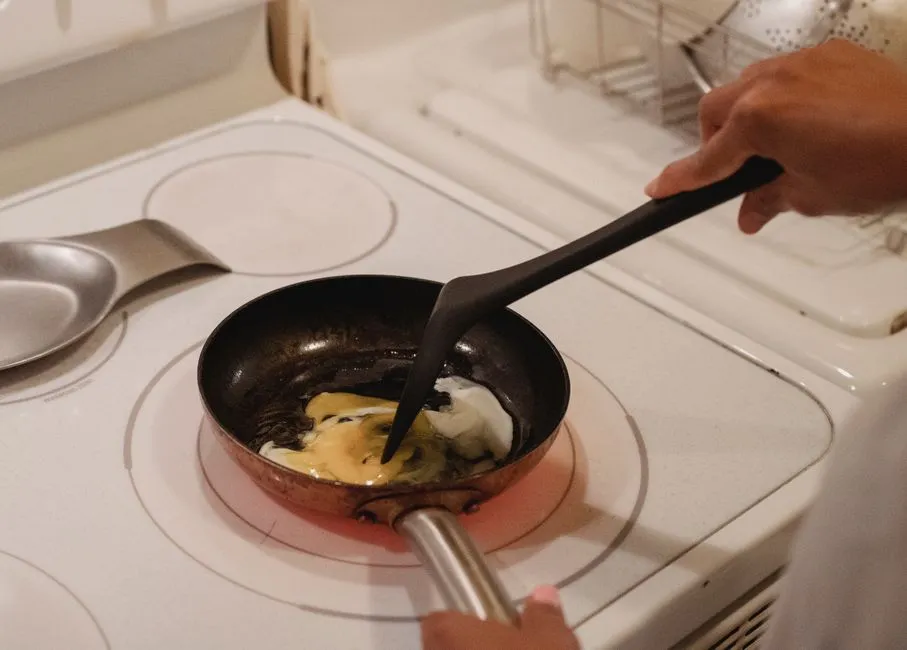
Another common way people mess up their scrambled eggs is by cooking them at a super high temperature, which may seem faster but really just leads to overcooked, dry eggs with a rubbery texture, so it’s better to cook scrambled eggs slowly on low or medium heat to keep them soft and creamy.
The same rule of thumb applies across the board, cook eggs low and slow, as recommended by culinary experts. Cranking the heat might shave off a minute or two of cooking time, but it takes away almost all of your margin for error. Once curds start forming quickly under high heat, carryover cooking finishes the job before you can react.
How Other Well Known Chefs Handle the Same Problem

Gordon Ramsay removes the pan from the heat at 20 second intervals to make perfect scrambled eggs every time, Adam Richman takes them off heat entirely while they’re still just a bit raw to prevent overcooking, and Andrew Zimmern keeps the heat at its lowest setting throughout the cooking process. Different chefs, different exact methods, but the underlying logic is identical. They all treat the stove as a tool you step away from early, not something you ride until the eggs look finished.
The Whisking and Add In Mistakes That Compound the Problem
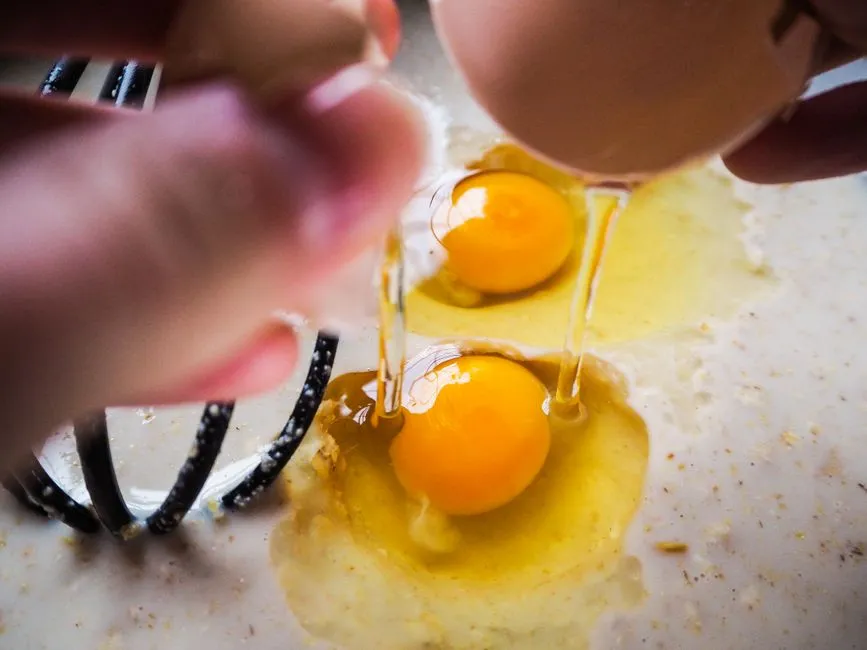
Chef Serge Krikorian explains that whisking is key because it incorporates air, making eggs light and fluffy, but overworking the protein by whisking too aggressively can make the eggs tougher, chewy, or rubbery. Timing matters for seasoning too, since eggs are harder to season evenly once they’re cooked, unlike foods that only need seasoning at the end.
Adding a splash of water to beaten eggs creates steam during cooking, which expands the eggs and makes them fluffier, since water evaporates quickly and creates pockets of steam that lift the eggs as they cook. None of these missteps are as decisive as overcooking, but stacked together they explain why so many home scrambles fall flat.
Small Technique Fixes That Support the Timing Rule
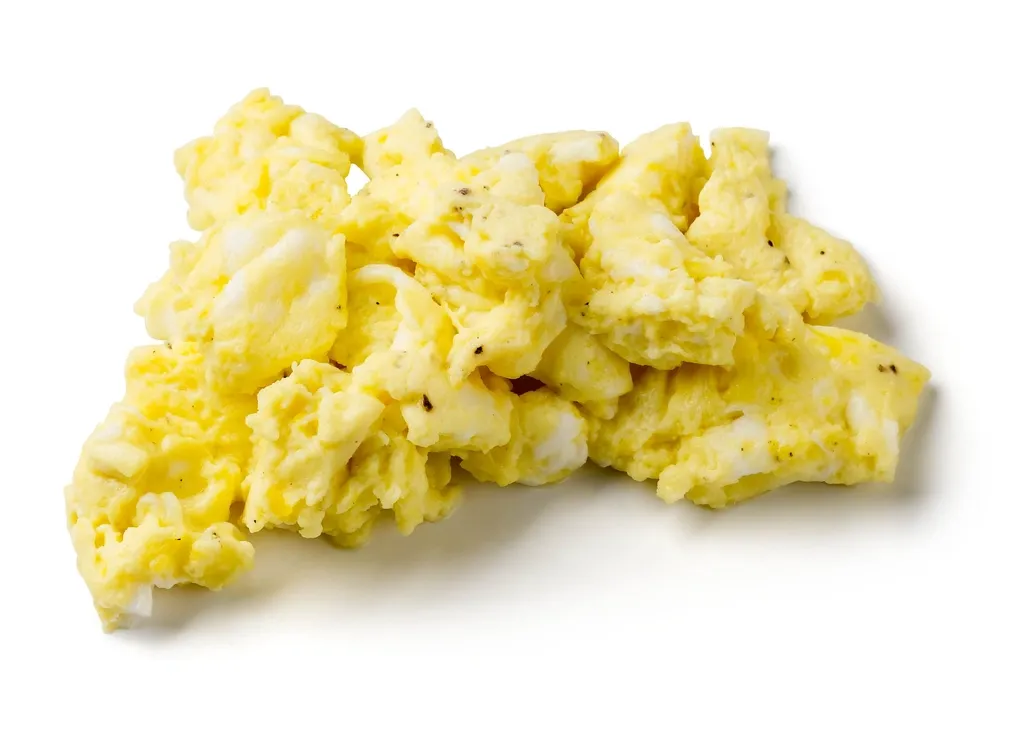
Chef Christina Ferrari advises against deflating the mixture while cooking, suggesting cooks be patient enough to let the eggs set up initially before gently pulling them from the outer edge to the center in a folding pattern, which allows larger curds to form before breaking them down. Preheating the pan and greasing it with oil or butter before pouring in the eggs also matters, since it keeps them from sticking and makes them easier to manipulate while cooking.
Cooks are also cautioned to never pour eggs into a hot pan, but instead start with a pan that’s cold and use low temperature only once the eggs are in it. These details all serve the same goal as Andy’s tip, giving you more control right up to the moment you pull the eggs off the heat.
Why This Small Fix Matters to So Many Kitchens
Eggs remain a staple food in the American diet, with an estimated per capita consumption of 274 eggs in 2024 alone. Per capita egg consumption in the United States reached an estimated 37.5 pounds in 2025, reflecting continued growth driven by eggs’ status as an affordable, high protein staple. With that many eggs cracked into pans across the country every single day, a fix as small as pulling the pan away thirty seconds early adds up to a lot of better breakfasts. It’s a reminder that good cooking often comes down to small, disciplined habits rather than fancy technique.
A Simple Habit Worth Adopting
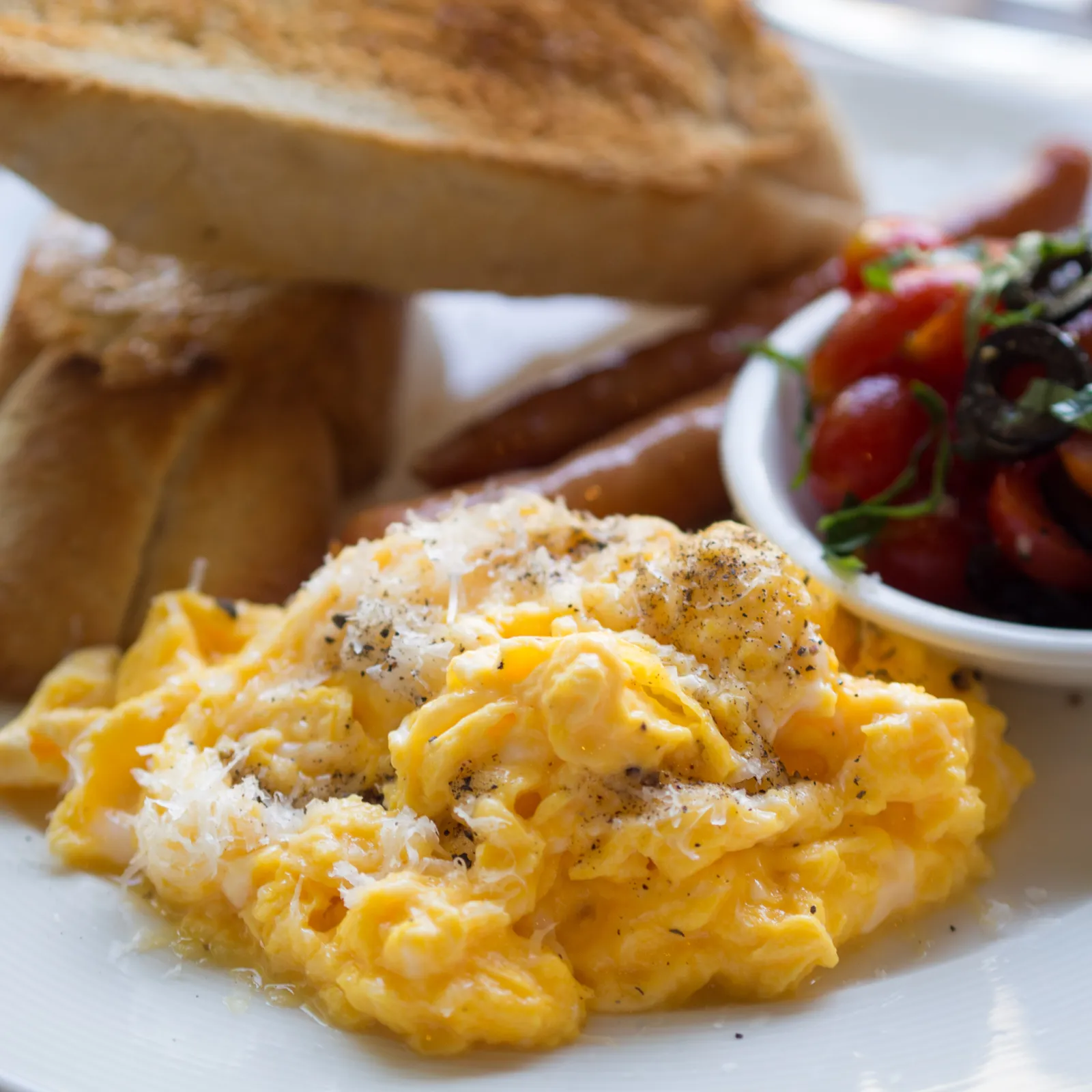
The advice at the heart of this whole conversation isn’t complicated, and that’s probably why it struck a chord with so many people online. Scrambled eggs don’t need a special pan, a rare ingredient, or a secret ratio to turn out well. They just need you to trust that they’ll keep cooking after you’ve taken them off the heat, and to walk away a little sooner than feels natural. Once that clicks, it’s hard to go back to overcooked eggs again.
AI Disclaimer: This article was created with the assistance of AI tools and reviewed by a human editor.