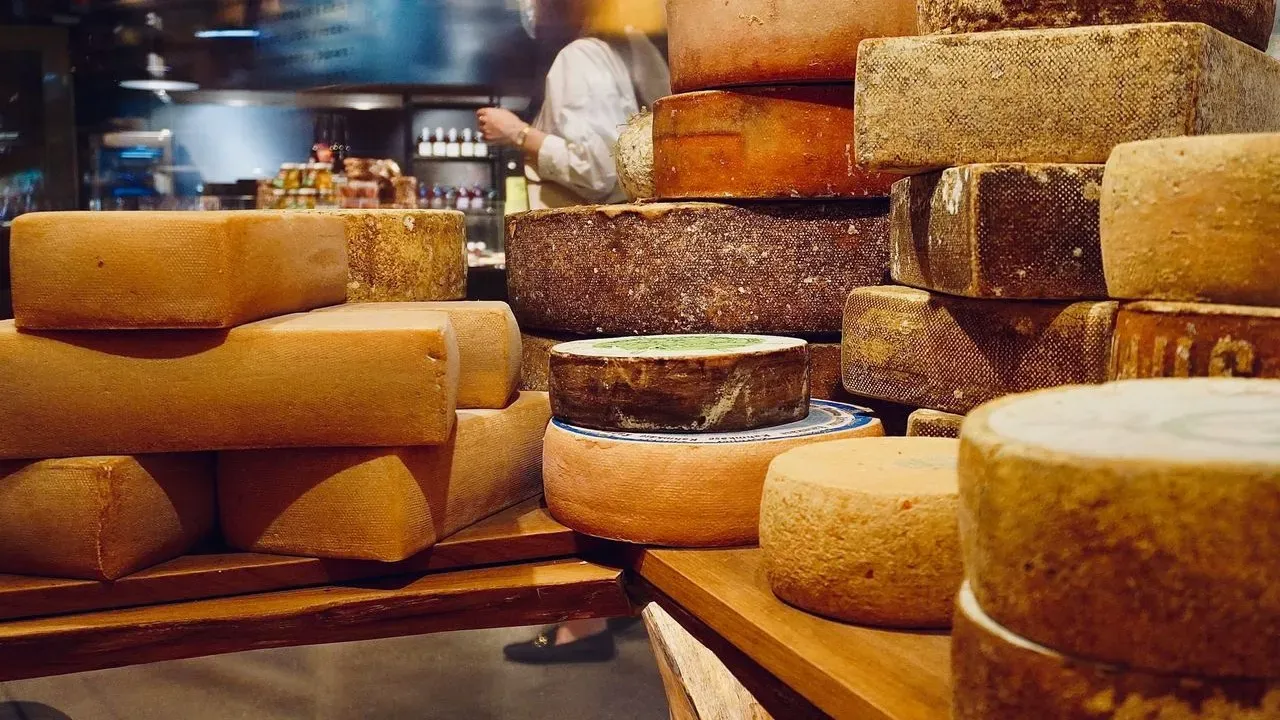

Cheese remains one of the most widely enjoyed foods in American households, with demand for both everyday varieties and specialty options continuing to expand. At the same time, the skilled work of cheesemongering, which depends on deep product knowledge and personal supplier connections, encounters growing obstacles in today’s retail landscape. These pressures affect independent shops, specialty counters in larger stores, and the producers who rely on knowledgeable sellers to reach customers.
Why the Profession Matters Now
Retail shifts accelerated by the pandemic have altered how cheese moves from producer to consumer. Many smaller operations lost steady hospitality accounts and struggled to match the convenience of pre-packaged products that gained favor during lockdowns. Consumers who once sought guidance at a counter now often select wrapped options in grocery aisles or order online, reducing opportunities for the personal interaction that defines the trade.
Cheesemongers traditionally build long-term relationships with farms and creameries, allowing them to source distinctive products and advise buyers on pairings, storage, and seasonal availability. This expertise helps smaller producers reach markets they could not access alone. When retail environments favor speed and standardization, those relationships become harder to sustain.
Core Demands of Cheesemongering
The role requires ongoing education about cheese varieties, aging processes, and regional differences. Professionals must track inventory that changes frequently due to production cycles and import regulations. They also spend considerable time educating customers who may be unfamiliar with lesser-known options or concerned about price differences between mass-produced and artisanal items.
Building supplier ties often involves travel, regular communication, and trust developed over years. These connections enable access to limited-production cheeses that reflect specific terroir or traditional methods. Without them, stores risk offering a narrower selection that fails to stand out from competitors.
Retail Pressures at Play
Larger chains and online platforms emphasize volume, consistent supply, and lower labor costs. This model can sideline the hands-on service that distinguishes specialty cheese sales. Distribution remains a hurdle for many small producers, who may lack the scale to meet the volume or packaging requirements of big retailers.
Shifts toward pre-cut and pre-wrapped formats further reduce the need for on-site cutting and tasting. While these changes improve shelf life and convenience for some shoppers, they limit the storytelling and sampling that help introduce new cheeses. Independent operators report difficulty competing on price while maintaining the quality and curation that justify their margins.
Stakeholders Feeling the Effects
Small-scale producers face the steepest adjustments. Many could not quickly move to direct-to-consumer channels during earlier disruptions and continue to seek reliable retail partners. Cheesemongers themselves encounter tighter margins and higher expectations around product knowledge amid staffing constraints common across retail.
Consumers ultimately experience the results through reduced variety or less informed service at the point of sale. Those seeking guidance on lesser-known cheeses or proper handling may find fewer outlets equipped to provide it.
What matters now
- Inventory management and consumer education remain central to the role.
- Supplier relationships help preserve access to distinctive products.
- Retail formats that prioritize convenience continue to reshape how cheese reaches buyers.
- Adaptation through curated services or hybrid models offers one path forward for the trade.
The tension between widespread appreciation for cheese and the practical difficulties of selling it well highlights broader changes in how specialty foods reach the public. Cheesemongers who maintain their craft contribute to a more varied marketplace, yet sustaining that contribution requires navigating an environment that often rewards scale over specialization. The coming years will show whether new approaches can preserve the expertise that has long supported both producers and enthusiasts.
AI Disclaimer: This article was created with the assistance of AI tools and reviewed by a human editor.