

Welcoming the New Year with a garden scavenger hunt is a delightful way to bring friends and family together while celebrating the beauty and bounty of your garden. Whether you’re hosting a large gathering or an intimate get-together, a scavenger hunt adds an element of fun and adventure that engages participants of all ages. Imagine the joy of exploring your garden’s nooks and crannies, discovering hidden treasures, and learning about the diverse flora that thrives in your outdoor space. It’s a fantastic opportunity to create lasting memories and foster a deeper appreciation for nature as you embark on a new year filled with growth and renewal!
Organizing a garden scavenger hunt requires creativity and careful planning to ensure that everyone has an enjoyable and rewarding experience. From selecting the right plants and items to designing engaging clues and tasks, each element plays a crucial role in crafting a successful event. By incorporating native plants and eco-friendly practices, you not only enhance the educational aspect of the hunt but also promote sustainability and support local ecosystems. Let’s dive into the steps and ideas that will help you create a magical and memorable garden scavenger hunt to celebrate the New Year!
Creating Clues and Tasks
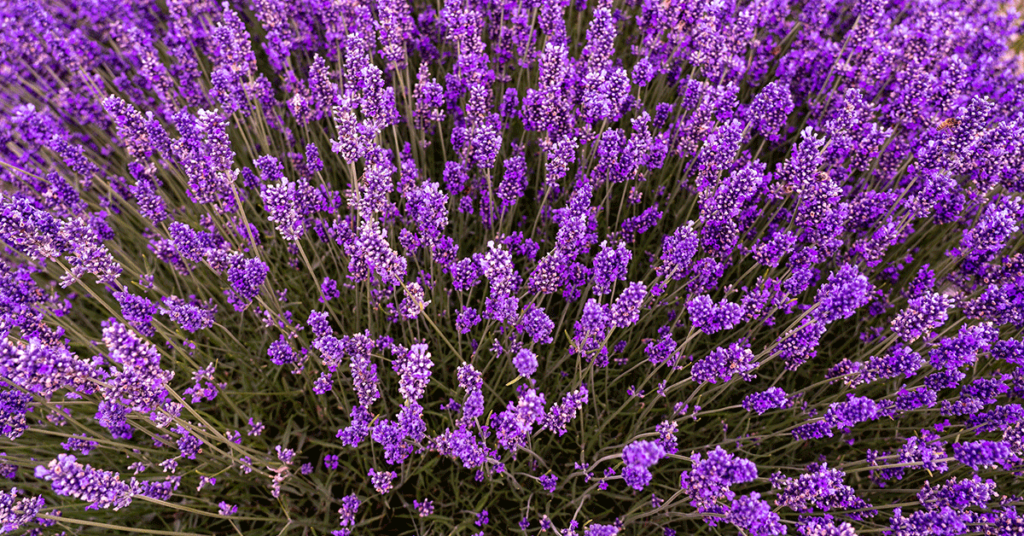
Designing creative and engaging clues is essential for a successful garden scavenger hunt. Start by tailoring your clues to the age and skill level of your participants, ensuring that everyone can enjoy the challenge. Incorporate riddles, puzzles, and descriptive hints that lead participants to specific plants, garden features, or hidden objects. For example, a clue might read, “Find the plant with vibrant purple blooms that attracts bees and butterflies,” guiding participants to seek out native lavenders (Lavandula spp.), which are renowned for their fragrant flowers and pollinator-friendly properties.
In addition to locating specific plants, consider incorporating tasks that encourage participants to interact with the garden environment. Tasks could include identifying different leaf shapes, counting the number of petals on a flower, or spotting signs of wildlife such as bird nests or insect activity. These interactive elements not only make the hunt more dynamic but also educate participants about the ecological roles of various plants and the behaviors of the wildlife they attract. By blending discovery with learning, you create a rich and immersive experience that celebrates both the fun and educational aspects of gardening!
Choosing Plants and Items

Selecting the right plants and items for your scavenger hunt is key to creating an engaging and educational experience. Focus on native species that are well-adapted to your local climate and soil conditions, as they are more likely to thrive and support local wildlife. For instance, one of my favorite native plants is the coneflower (Echinacea purpurea), which not only adds vibrant color to your garden but also attracts bees, butterflies, and birds. Including such plants in your scavenger hunt helps participants learn about their benefits and encourages them to appreciate the natural biodiversity of your garden.
In addition to plants, incorporate various garden elements and decorative items that add intrigue and variety to the hunt. Items like birdhouses, garden sculptures, or unique garden tools can serve as interesting targets for participants to find. For example, hiding a small wooden birdhouse near a flowering shrub provides an opportunity to discuss the nesting habits of local bird species and the importance of providing habitats for wildlife. By thoughtfully selecting a mix of flora and decorative elements, you create a diverse and captivating environment that keeps participants engaged and excited throughout the scavenger hunt!
Planning the Scavenger Hunt

A well-organized scavenger hunt starts with meticulous planning to ensure that everything runs smoothly and participants have a fantastic time. Begin by mapping out your garden to identify key locations and hiding spots for clues and items. Consider the flow of the hunt, ensuring that participants can move easily from one point to the next without feeling overwhelmed or confused. Creating a clear and logical route helps maintain excitement and momentum as participants progress through the hunt. Additionally, set a time limit or establish checkpoints to keep the activity engaging and dynamic!
Next, prepare all necessary materials in advance, including printed clues, answer sheets, and any prizes or rewards for the participants. It’s also a good idea to have a backup plan in case of unexpected weather changes or other unforeseen circumstances. Providing participants with a brief orientation at the start of the hunt ensures that everyone understands the rules and objectives, fostering a sense of fairness and camaraderie. By dedicating time to thorough planning, you set the stage for a seamless and enjoyable scavenger hunt that celebrates the New Year with creativity and enthusiasm!
Engaging Participants

Engaging your participants is crucial for making the garden scavenger hunt a memorable and enjoyable event. Start by inviting a diverse group of friends, family members, or community members to ensure a lively and inclusive atmosphere. Providing small incentives, such as themed prizes or certificates, can add an extra layer of excitement and motivation for participants to fully engage in the hunt. Additionally, encouraging teamwork and collaboration fosters a sense of community and makes the experience more enjoyable for everyone involved!
Incorporate interactive and educational elements to keep participants actively engaged throughout the hunt. For example, include stations where participants can learn about specific plants or observe wildlife behaviors, such as bird nesting habits or pollinator activity. Offering hands-on activities, like a mini plant potting station or a nature sketching area, can enhance the overall experience and provide opportunities for creativity and learning. By creating a dynamic and interactive environment, you ensure that participants remain enthusiastic and invested in the scavenger hunt, making it a fun and enriching way to celebrate the New Year!
Incorporating Educational Elements

Adding educational elements to your garden scavenger hunt enriches the experience and provides valuable learning opportunities for participants. Incorporate informational cards or signs at each clue location that detail interesting facts about the plants, insects, or wildlife found there. For instance, a station featuring native bee-friendly flowers like bee balm (Monarda didyma) can include information about the vital role bees play in pollination and how these flowers support local ecosystems. These educational tidbits not only enhance participants’ knowledge but also deepen their appreciation for the natural world around them!
Furthermore, consider organizing brief mini-workshops or demonstrations during the scavenger hunt, where experts can share insights on topics such as organic gardening, pest management, or the benefits of native plants. Hosting a short talk on the importance of creating habitats for wildlife or the impact of invasive species on local ecosystems can provide participants with a broader understanding of sustainable gardening practices. By seamlessly integrating education into the scavenger hunt, you create a meaningful and impactful event that celebrates the New Year while fostering a lifelong love of gardening and environmental stewardship!
Providing Prizes and Incentives

Offering prizes and incentives is a fantastic way to add excitement and motivation to your garden scavenger hunt. Consider selecting prizes that are both fun and useful for gardening enthusiasts, such as high-quality gardening gloves, seed packets of native plants, or small potted herbs. These prizes not only reward participants for their efforts but also encourage them to continue their gardening journey with new tools and plant varieties. Additionally, themed prizes that align with the New Year, such as planners or garden journals, can help participants set and achieve their gardening resolutions!
Incorporate a variety of prize tiers to recognize different levels of achievement, ensuring that everyone has a chance to win something. For example, offer small tokens for completing specific tasks or finding particular items, and reserve larger prizes for those who successfully complete the entire scavenger hunt. This approach keeps the competition friendly and inclusive, making the event enjoyable for participants of all ages and skill levels. By thoughtfully selecting and distributing prizes, you enhance the overall experience of the scavenger hunt, making it a memorable and rewarding way to celebrate the New Year in your garden!
Enhancing the Experience with Themes

Adding a thematic element to your garden scavenger hunt can elevate the experience and make it more engaging for participants. Themes such as “Winter Wonderland,” “Nature’s Treasures,” or “Pollinator Paradise” provide a cohesive narrative that ties the hunt together and adds an extra layer of fun and creativity. For example, a “Winter Wonderland” theme can incorporate frost-touched plants, twinkling fairy lights, and snowflake decorations, creating a magical and festive atmosphere that aligns with the New Year’s celebration.
Themes also offer opportunities to incorporate specific plants and decorative elements that enhance the overall aesthetic and mood of the hunt. A “Pollinator Paradise” theme, for instance, can focus on native pollinator-friendly plants like milkweed (Asclepias spp.) and lupines (Lupinus spp.), highlighting their importance in supporting bees and butterflies. Decorate the hunt area with colorful banners, themed signs, and interactive displays that reflect the chosen theme, making the scavenger hunt a visually stunning and immersive experience. By thoughtfully integrating themes, you create a unified and enchanting environment that captivates participants and adds a unique touch to your New Year’s garden celebration!
Ensuring Safety and Accessibility

Ensuring the safety and accessibility of your garden scavenger hunt is paramount to creating a welcoming and inclusive event for all participants. Begin by assessing your garden space for any potential hazards, such as uneven terrain, sharp objects, or toxic plants, and take necessary precautions to mitigate these risks. Clear pathways and provide ample lighting if the hunt extends into the evening, ensuring that participants can navigate the area safely and comfortably. Additionally, have a first aid kit readily available and designate a volunteer or organizer to handle any emergencies that may arise.
Accessibility is equally important, as it ensures that everyone, regardless of physical ability, can fully participate and enjoy the scavenger hunt. Consider designing the hunt layout with wide, flat paths and placing clues at accessible heights to accommodate individuals using wheelchairs or walking aids. Provide clear and easy-to-read signs and instructions, and offer assistance to participants who may need it. By prioritizing safety and accessibility, you create an inclusive and enjoyable experience that welcomes all members of your community to celebrate the New Year together in your beautiful garden!
Incorporating Technology and Modern Twists

Integrating technology and modern twists into your garden scavenger hunt can add an exciting and interactive dimension to the event. Utilize smartphones or tablets to create digital clues, interactive maps, or augmented reality experiences that engage participants in new and innovative ways. For example, a QR code placed near a specific plant can link to a fun fact or a short video about the plant’s role in the ecosystem, enhancing the educational aspect of the hunt. Incorporating technology not only makes the scavenger hunt more dynamic but also appeals to tech-savvy participants who enjoy interactive challenges!
Additionally, consider using social media to document and share the event, encouraging participants to post photos and updates using a dedicated hashtag. This not only creates a sense of community and shared experience but also promotes your garden and future events to a wider audience. Offering a digital leaderboard or real-time updates on progress can add a competitive element that keeps participants motivated and engaged throughout the hunt. By embracing technology and modern twists, you elevate the garden scavenger hunt, making it a memorable and forward-thinking celebration that blends tradition with innovation!
Final Thoughts

Celebrating the New Year with a garden scavenger hunt is a wonderful way to blend fun, education, and community spirit in your outdoor space. By carefully planning each aspect—from creating engaging clues and selecting native plants to ensuring safety and incorporating modern technology—you create a dynamic and memorable event that delights participants and fosters a deeper appreciation for your garden’s natural beauty. Embrace the opportunity to connect with friends, family, and fellow gardeners as you explore the wonders of your garden together, setting the stage for a year filled with growth, joy, and shared experiences!
As you embark on organizing your garden scavenger hunt, remember that the key to success lies in creativity, inclusivity, and a genuine passion for gardening. Celebrate the unique elements of your garden, share your knowledge with others, and enjoy the camaraderie that comes from working together to create something special.