Winter might seem like a quiet time for gardeners, but it’s actually a crucial period for maintaining a healthy and thriving garden. As the temperatures drop and the days shorten, taking the right steps can ensure that your plants survive the cold months and emerge stronger in the spring. Whether you’re a seasoned gardener or...
Fruits And Vegetables
Living off grid is a term coined by Nick Rosen, an environmentalist. It’s defined as being independent of systems like utilities and other types of conveniences. Some consider it to be a sort of exile from society, others view it as being a more environmentally positive action, and technically, both are correct.
People who live off grid often have vastly simplified lifestyles. Buying stuff, convenience, and overconsumption take a back seat to more simplistic living. Lots of DIY, self improvement, and producing the things you need yourself.
Living off grid has numerous benefits. Off grid families tend to have a lower environmental footprint due to producing energy from clean tech sources like solar, less consumerism, and producing more food themselves. People who live off grid also experience a ton of personal satisfaction for the work they put in and what they get out.
Living off grid reportedly reduces stress and anxiety and improves health overall. The physical labor involved with off grid living is better for you than sitting at a desk in an office, and the food you grow yourself is often substantially healthier than what you would find in a grocery store.
Families who live off grid don’t just live frugally but can also make a little bit of money at it. Selling extra eggs, produce, and other things can help turn your off grid lifestyle into a net financial positive.
It’s not easy to be a fully off grid individual or family, but there are steps you can take to get you started without cutting off the world and living alone in a remote cabin.
Winter can be a challenging time for gardeners, but one of the most exciting trends this year is the rise of indoor herb gardens. Growing herbs like basil, thyme, and rosemary inside your home not only ensures you have fresh flavors at your fingertips but also adds a touch of greenery to your living space....
Maintaining a steady temperature is crucial for greenhouse productivity during the chilly winter months. One of the best strategies I’ve found is incorporating thermal mass into your greenhouse design. Materials like water barrels, stone, or concrete can absorb heat during the day and release it slowly when temperatures drop at night. This natural regulation helps...
Winter may seem like an odd time to head out with your pruners, but it’s actually the ideal season for many trees and shrubs. With the leaves gone and branches exposed, you can clearly see the structure of your plants, making it easier to shape them, remove dead wood, and encourage healthy growth for the...
Winter can feel like a quiet, gray time in the garden, but it doesn’t have to be. Imagine stepping outside on a chilly morning and spotting vibrant blooms pushing through the frost—what a mood lifter! Winter-flowering bulbs are the perfect way to bring early color and life to your garden while everything else is resting....
When winter settles in, and your outdoor garden rests under a layer of frost, it’s easy to miss the joy of growing fresh, vibrant plants. The good news? You don’t have to wait for spring to enjoy homegrown goodness! Edible greens like lettuce, spinach, kale, and microgreens are perfect for indoor gardening. They thrive in...
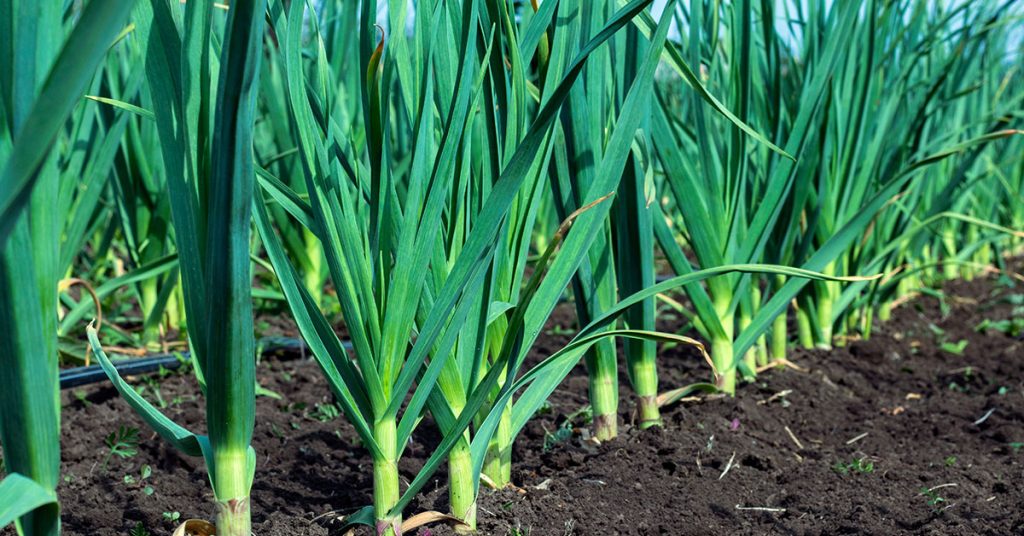
Winter might seem like a time to pack up your garden tools and call it a season, but did you know it’s one of the best times to grow hardy crops like garlic, onions, and shallots? These delicious, versatile alliums thrive in the cool, steady temperatures of winter, setting the stage for a fantastic harvest...
Winter may seem like a dormant period for gardeners, but it’s actually the perfect time to lay the groundwork for a flourishing spring garden. As the days grow shorter and the temperatures drop, taking proactive steps now can set the stage for a vibrant and productive garden once the snow melts. I remember the first...
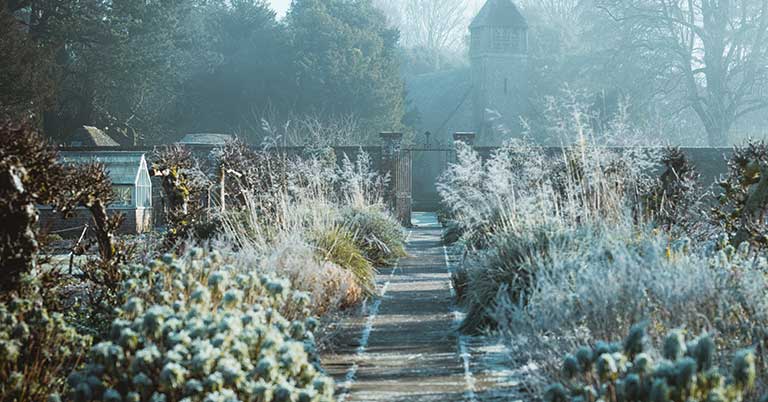
Winter can be a harsh time for gardens, with frost and freezing temperatures threatening the health and vitality of your beloved plants. I remember the first winter I faced as a gardener, watching my carefully nurtured blooms struggle under the icy grip of frost. It was a challenging experience, but it also taught me invaluable...
Winter can be a challenging time for gardeners, especially those with limited outdoor space like balconies or patios. The cold temperatures, reduced sunlight, and harsh winds can make it difficult to keep your beloved plants thriving. But fear not! Building a mini greenhouse is a fantastic solution to protect your plants from the winter chill...
In an interconnected world, tariffs and trade policies can influence the prices of everyday goods, including fresh produce. While these measures aim to boost local economies, they may also lead to higher costs for imported vegetables, potentially affecting household budgets. For individuals who prioritize sustainability, self-reliance, or simply keeping grocery bills manageable, growing your own...
Growing your own vegetables isn’t just about saving money or enjoying fresher produce—it can also significantly boost the nutritional value of what you eat. Many vegetables lose nutrients during long transportation and storage, while others may be treated with pesticides or harvested before they’ve fully ripened. When you grow your own, you control how the...