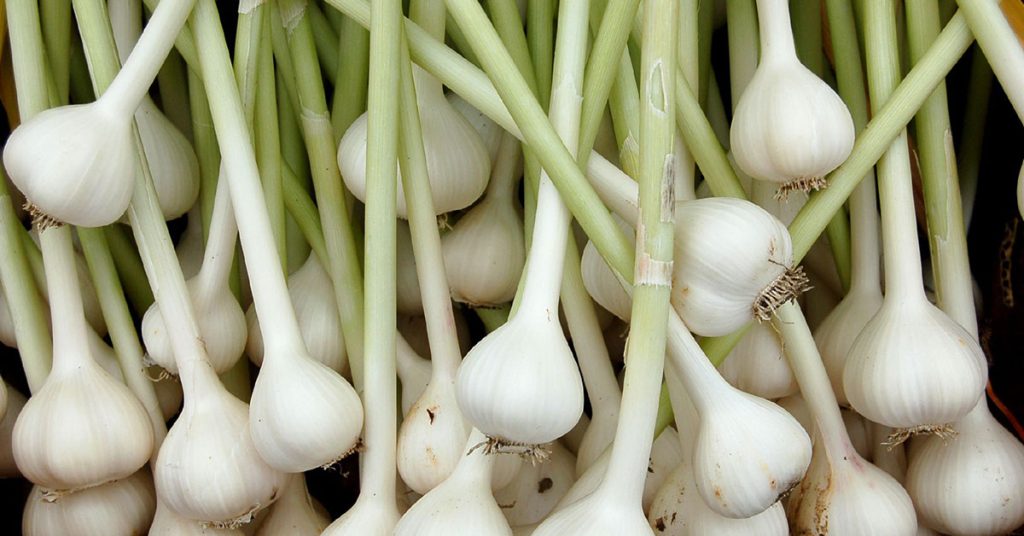
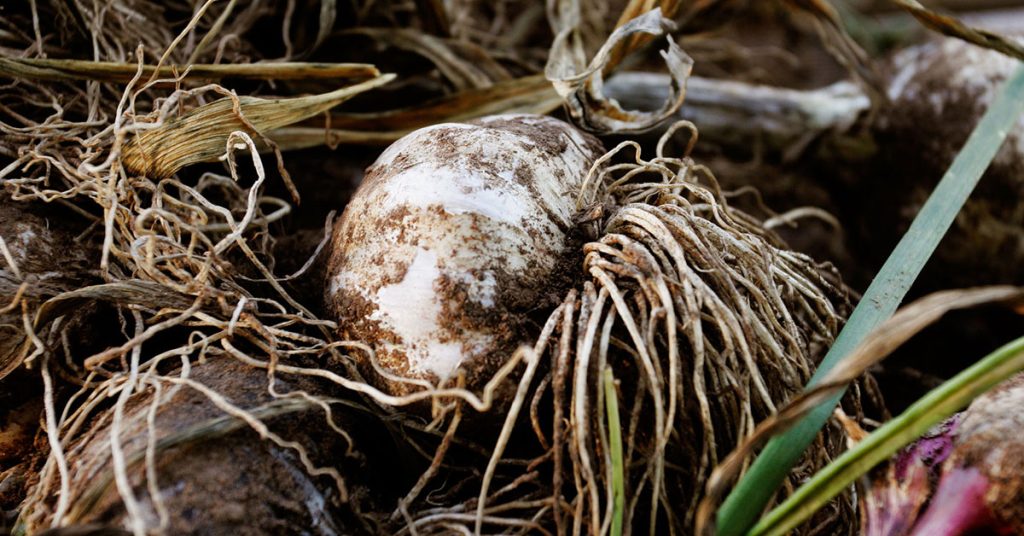
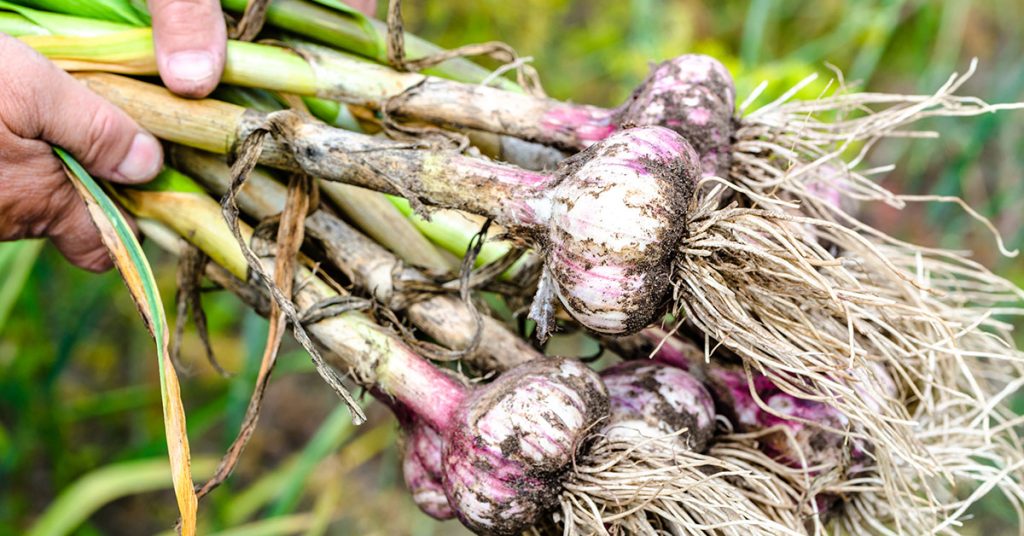
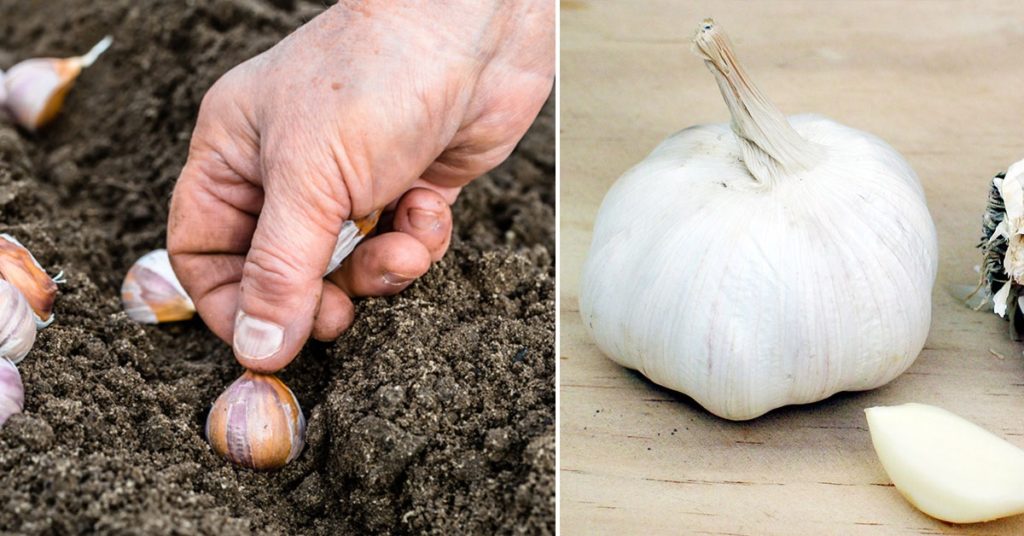
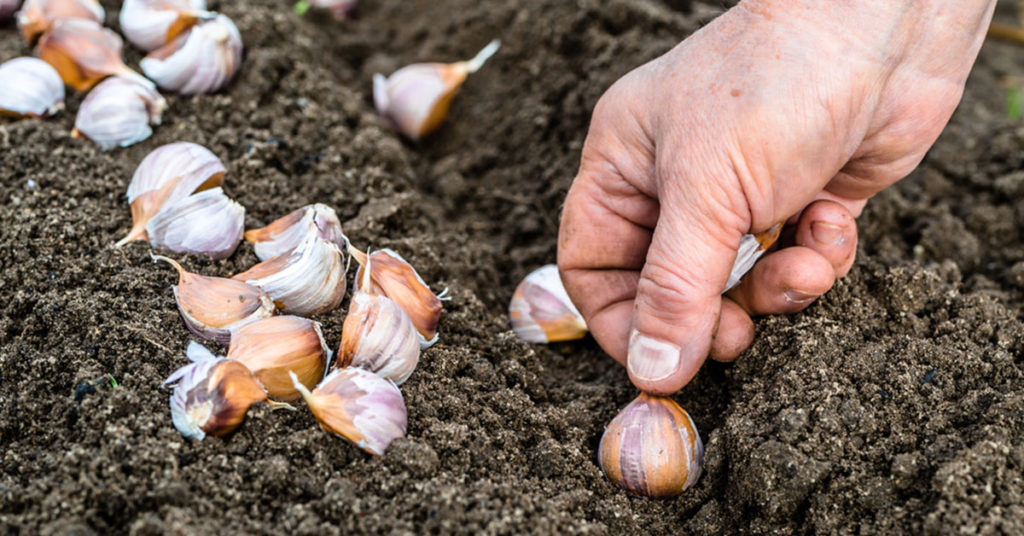
Arizona is a great place to grow garlic due to its hot and dry climate. With just the right amount of sun, water, and soil, garlic can thrive in this environment. Garlic is a hardy crop, able to survive the heat of the desert and the long, hot summer days. It is also relatively low...
Fruits And Vegetables
Living off grid is a term coined by Nick Rosen, an environmentalist. It’s defined as being independent of systems like utilities and other types of conveniences. Some consider it to be a sort of exile from society, others view it as being a more environmentally positive action, and technically, both are correct.
People who live off grid often have vastly simplified lifestyles. Buying stuff, convenience, and overconsumption take a back seat to more simplistic living. Lots of DIY, self improvement, and producing the things you need yourself.
Living off grid has numerous benefits. Off grid families tend to have a lower environmental footprint due to producing energy from clean tech sources like solar, less consumerism, and producing more food themselves. People who live off grid also experience a ton of personal satisfaction for the work they put in and what they get out.
Living off grid reportedly reduces stress and anxiety and improves health overall. The physical labor involved with off grid living is better for you than sitting at a desk in an office, and the food you grow yourself is often substantially healthier than what you would find in a grocery store.
Families who live off grid don’t just live frugally but can also make a little bit of money at it. Selling extra eggs, produce, and other things can help turn your off grid lifestyle into a net financial positive.
It’s not easy to be a fully off grid individual or family, but there are steps you can take to get you started without cutting off the world and living alone in a remote cabin.
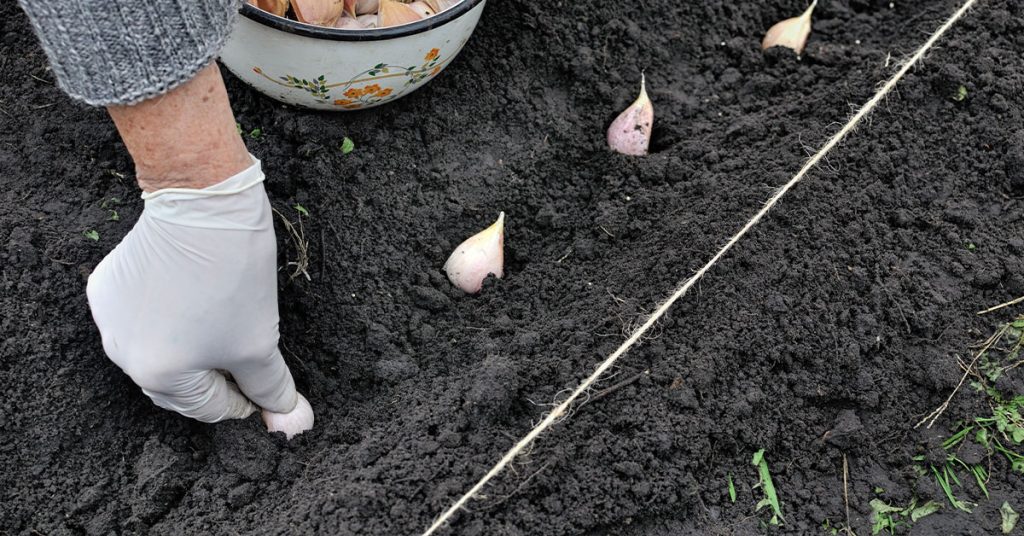
Growing garlic in Alaska can be a rewarding experience despite the cold climate and short growing season. With the right techniques and knowledge, you can successfully grow garlic in Alaska with a plentiful harvest in the summer. The intense cold during the winter months might make you think you can’t grow anything, but garlic is...
Garlic is a popular crop to grow in Hawaii, as it thrives in the warm and humid climate. With proper care, garlic can be a great addition to any garden in Hawaii, as it is easy to grow and produces a high yield. It can be planted in either the spring or the fall, and...
Garlic is an easy crop to grow in Washington. With its mild climate and ideal soil conditions, Washington is an ideal place to grow garlic. There are a variety of different types of garlic that can be grown in the region, giving gardeners the opportunity to experiment with different varieties. With a little care and...
Growing garlic in California is an enjoyable and rewarding experience for any gardener. With California’s diverse climate and unique soils, the possibilities for garlic cultivation are endless. California garlic is known for its large size, strong flavor, and a wide variety. From the warm Mediterranean climate of the Central Valley to the cool coastal regions...
Growing garlic in Oregon is a rewarding experience due to the ideal climate and soil conditions. Oregon’s climate provides mild summers and cool winters, which is perfect for growing garlic. The soil in Oregon is generally very fertile and well-drained, providing an ideal environment for growing garlic. Garlic can be planted in the fall and...
Growing garlic in Texas is a great way to add a unique flavor to many dishes. Garlic grows well in the Texas climate due to its moderate temperatures and plenty of sunshine. Garlic can be planted either in the Fall or Spring. Garlic typically takes about 6-7 months to reach maturity, and should be harvested...
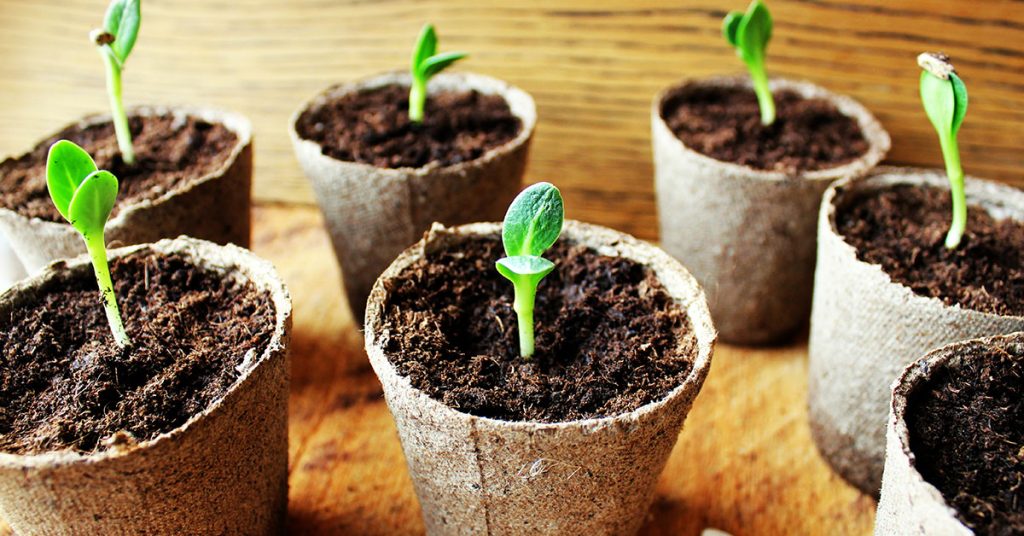
Hawaii is a great place to grow pumpkins due to its warm climate and subtropical weather. To grow pumpkins in Hawaii, it’s important to understand the USDA Hardiness Zones, when to start pumpkin seeds indoors, when to plant pumpkins outdoors, how to plant pumpkins outdoors, different varieties of pumpkins, and how to care for pumpkins....
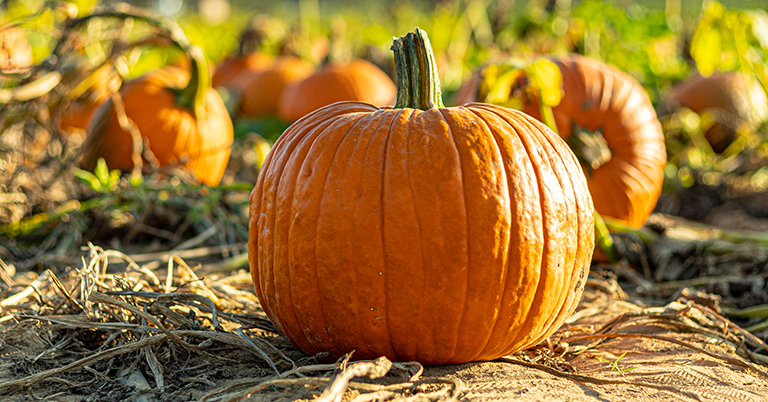
Pumpkins are a staple of autumn decorations and a beloved seasonal treat. It’s no wonder that many Washington gardeners want to plant their own pumpkin patches! But when should you begin planting your pumpkins in Washington, and what do you need to know about successfully growing them? Read on for a comprehensive guide on when...
Oregon is an ideal place to plant pumpkins. It has the perfect climate and soil for pumpkin growth and a variety of pumpkin varieties to choose from. However, it is important to understand when and how to plant pumpkins in Oregon in order to ensure a successful harvest. Oregon’s USDA Hardiness Zones Oregon is divided...
Colorado is a great place to grow pumpkins due to its growing zones being ideal for pumpkins. Pumpkins are a popular crop for farmers and home gardeners alike. Knowing when and how to plant pumpkins in Colorado will ensure a successful harvest toward the end of the year. Colorado’s USDA Hardiness Zones Colorado is divided...
Pumpkins are a popular crop to grow in Texas. They are a favorite of many gardeners and can be found in many gardens throughout the state. For those looking to plant pumpkins in their Texas garden, there are a few things to consider. Texas’s USDA Hardiness Zones Texas is home to several USDA Hardiness Zones....