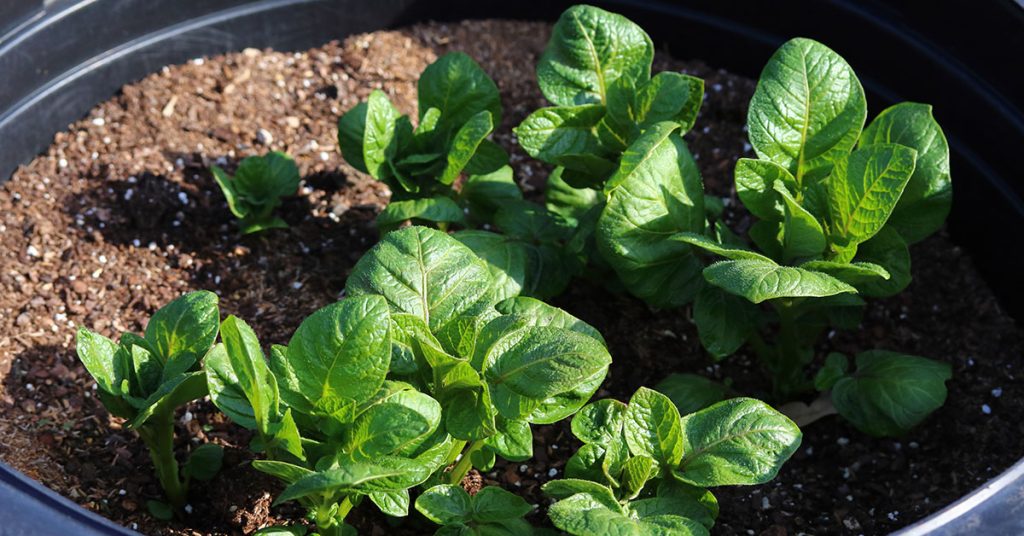
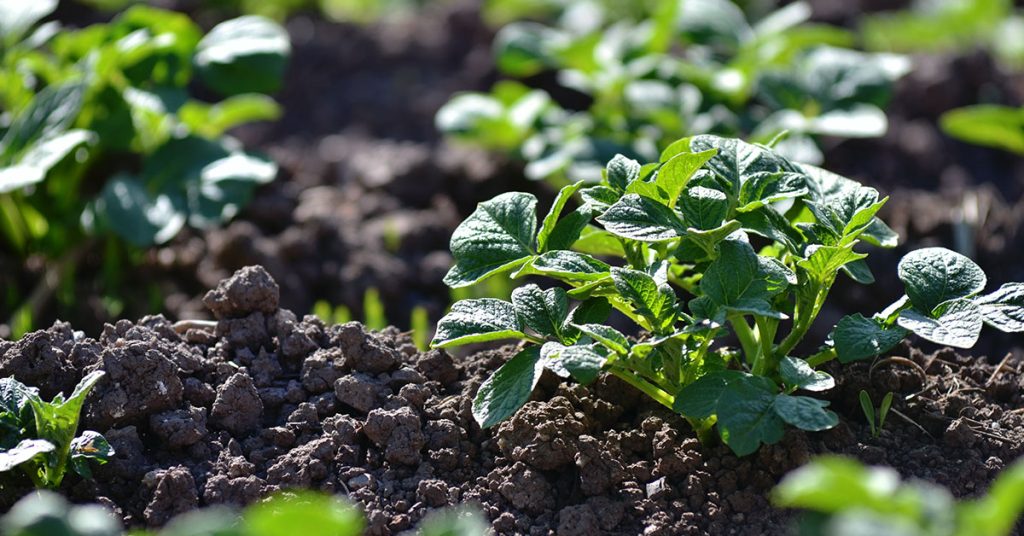
Potatoes are a popular crop in Washington, as they grow well in the state’s cool, moist climate. Potatoes are generally planted in early spring and harvested in late fall, with some varieties maturing as early as July. For the best results, potatoes should be planted in well-drained, sandy-loam soil with a pH of 5.0-7.0. To...
Fruits And Vegetables
Living off grid is a term coined by Nick Rosen, an environmentalist. It’s defined as being independent of systems like utilities and other types of conveniences. Some consider it to be a sort of exile from society, others view it as being a more environmentally positive action, and technically, both are correct.
People who live off grid often have vastly simplified lifestyles. Buying stuff, convenience, and overconsumption take a back seat to more simplistic living. Lots of DIY, self improvement, and producing the things you need yourself.
Living off grid has numerous benefits. Off grid families tend to have a lower environmental footprint due to producing energy from clean tech sources like solar, less consumerism, and producing more food themselves. People who live off grid also experience a ton of personal satisfaction for the work they put in and what they get out.
Living off grid reportedly reduces stress and anxiety and improves health overall. The physical labor involved with off grid living is better for you than sitting at a desk in an office, and the food you grow yourself is often substantially healthier than what you would find in a grocery store.
Families who live off grid don’t just live frugally but can also make a little bit of money at it. Selling extra eggs, produce, and other things can help turn your off grid lifestyle into a net financial positive.
It’s not easy to be a fully off grid individual or family, but there are steps you can take to get you started without cutting off the world and living alone in a remote cabin.
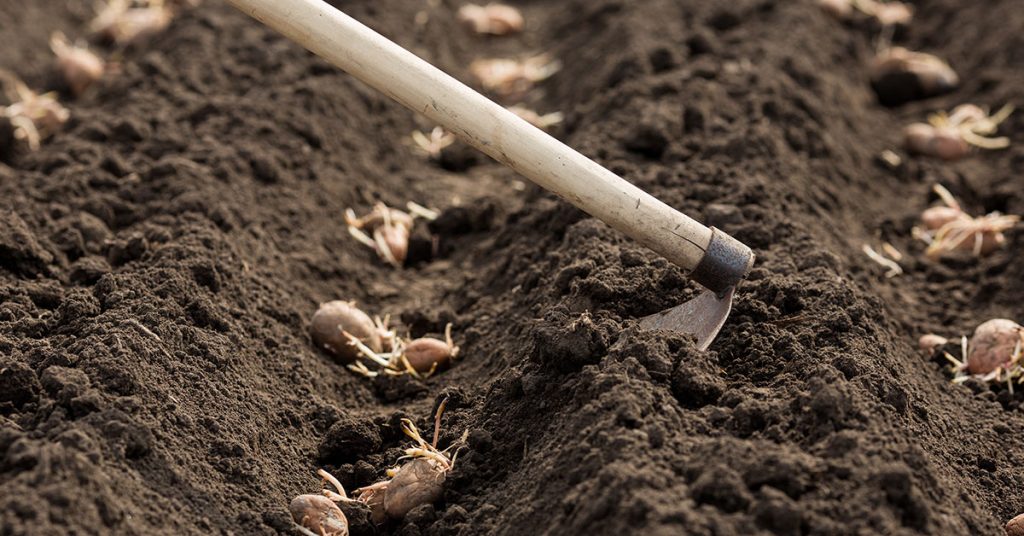
Potatoes are a popular crop to grow in Oregon. With its mild climate and plenty of sunshine and precipitation, the state offers ideal conditions for growing potatoes. Potatoes are a low-maintenance crop; they just need enough water and fertilizer and are relatively disease and pest resistant. With the right soil and growing conditions, potatoes can...
Growing potatoes in Hawaii can be a rewarding experience. The warm, tropical climate is ideal for these root vegetables, providing plenty of sunshine and rainfall. Potatoes do best when planted in tilled, well-drained soil that is high in organic matter. In Hawaii, potatoes typically take three to four months to mature. Before planting, the tubers...
Growing potatoes in Alaska can be a tough experience depending on where in the state you are, but potatoes are a hardy crop and can survive in low temperatures and short growing seasons. While some gardeners may be apprehensive about growing potatoes in the cold, the key to success in Alaska is to start early....
Growing potatoes in California can be a rewarding experience as potatoes are a hardy and versatile crop that can be grown in a variety of climates. The moderate climate and long growing season of California allow potatoes to flourish and produce a high yield. Potatoes should be planted in well-drained soil, and can be grown...
Winter cherry plants, also known as Physalis alkekengi, are a unique flowering shrub that is popular among gardeners. The shrub is native to Europe and Asia, and produces lantern-like fruit that make it a stand-out in the garden. The winter cherry plant is not only attractive to look at, but it also provides a great...
Potatoes are a type of root vegetable that has been cultivated for centuries. They are starchy and come in many varieties, making them versatile and generally beloved food. Potatoes require very little and are incredibly hearty, making them a perfect indoor plant. Growing plants indoors or in containers reduces the risks of pests, rot, and...
Growing potatoes in Texas can be a rewarding but challenging feat. The intense heat and dry climate of Texas can make it difficult for potatoes to thrive. With proper management, however, it is possible to successfully grow potatoes in Texas. It’s important to choose a variety of potatoes that are well-suited to the climate and...
Potatoes are a great crop to grow in zone 13 as there is no need to worry about frost. You can grow three consecutive crops each year, starting in the spring and ending in the fall. Planting potatoes in raised beds or mounds will ensure they are well-drained and will also help you to avoid...
Potatoes are a great crop to grow in zone 12 as there is no need to worry about frost. Talk about a huge perk! You can grow three consecutive crops each year, starting in the spring and ending in the fall. Planting potatoes in raised beds or mounds will ensure they are well-drained and will...
One of the great things about growing potatoes in zone 10 is that it doesn’t frost very much. This makes it possible to grow potatoes just about any time of year. You can start planting as early as February and can continue to plant potatoes through December. Potatoes thrive in well-drained, loose soil and need...
Growing potatoes in zone 9 can be a surprisingly easy experience. Potatoes are hardy, low-maintenance plants that thrive in well-drained, loose soil and full sun, making them ideal for the warm, sunny climate of zone 9. Planting can be done in early spring in zone 9 once the soil has begun to warm up. Let’s...