Growing carrots in Zone 1 can be a challenging task due to the harsh and unforgiving weather conditions. However, with the right preparation and care, it is possible to successfully grow carrots in this region. Carrots are a cool-season crop that can be grown in the spring and fall, but they require a longer growing...
Fruits And Vegetables
Living off grid is a term coined by Nick Rosen, an environmentalist. It’s defined as being independent of systems like utilities and other types of conveniences. Some consider it to be a sort of exile from society, others view it as being a more environmentally positive action, and technically, both are correct.
People who live off grid often have vastly simplified lifestyles. Buying stuff, convenience, and overconsumption take a back seat to more simplistic living. Lots of DIY, self improvement, and producing the things you need yourself.
Living off grid has numerous benefits. Off grid families tend to have a lower environmental footprint due to producing energy from clean tech sources like solar, less consumerism, and producing more food themselves. People who live off grid also experience a ton of personal satisfaction for the work they put in and what they get out.
Living off grid reportedly reduces stress and anxiety and improves health overall. The physical labor involved with off grid living is better for you than sitting at a desk in an office, and the food you grow yourself is often substantially healthier than what you would find in a grocery store.
Families who live off grid don’t just live frugally but can also make a little bit of money at it. Selling extra eggs, produce, and other things can help turn your off grid lifestyle into a net financial positive.
It’s not easy to be a fully off grid individual or family, but there are steps you can take to get you started without cutting off the world and living alone in a remote cabin.
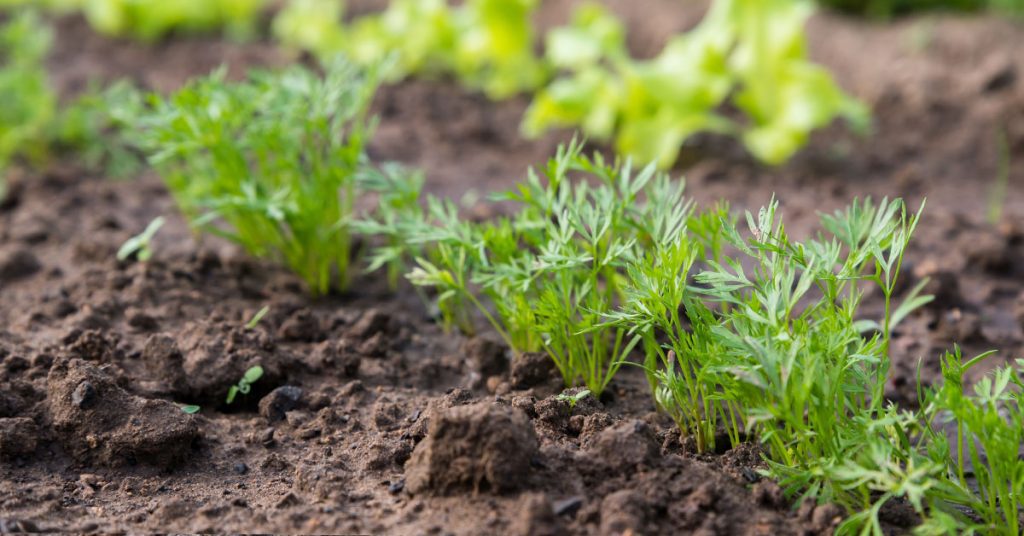
Rhode Island has an ideal climate for growing pumpkins, with warm summers and cool nights perfect for producing an abundant crop. The moderate temperatures, combined with the plentiful sunshine and fertile soil, make it possible to grow a wide variety of pumpkins, from traditional orange varieties to more exotic gray and green varieties. Additionally, Rhode...
Growing pumpkins in Connecticut is a rewarding experience, as the climate in the state is ideal for this type of crop. Connecticut is not only in the heart of the Northeast, but it is also in a temperate climate zone, meaning the summers are warm and the winters are mild. The warm summer days and...
Growing pumpkins in Massachusetts is a rewarding experience as the state has a great climate for this vegetable. The moderate climate and abundant rainfall of Massachusetts allow for a long growing season, ideal for raising pumpkins. The average maximum temperature in the summer months is around 80 degrees Fahrenheit, providing plenty of heat for optimal...
Growing pumpkins in New Hampshire is a rewarding experience for gardeners of all levels. New Hampshire has a unique climate that is suitable for growing many types of pumpkins. The state has a humid continental climate, with warm summers and cold winters. The average temperature in July is around 70°F and in January it drops...
Vermont is a great place to grow pumpkins, with its temperate climate and fertile soils providing ideal conditions for producing large, healthy pumpkins. The state’s cool summers and mild winters, along with its ample rainfall, help keep the roots of the pumpkin plants well-hydrated and their fruit growing steadily toward maturity. In addition, the longer...
Growing pumpkins in Maine can be an easy experience. Maine has a cool, humid climate that is perfect for growing pumpkins. The summer months are hot and humid, while the fall and winter months are cool and wet. The soil in Maine is also well-drained, making it an ideal environment for pumpkin cultivation. With the...
From the sandy beaches of the Jersey Shore to the rolling hills of Hunterdon County, New Jersey has a diverse climate that makes it a great place to grow pumpkins. With both hot and humid summers and cold winters, New Jersey provides the perfect conditions for growing pumpkins. The warm days and cool nights allow...
Delaware is a great place to grow pumpkins due to its favorable climate. The state enjoys all four seasons, with warm summers and mild winters. The average annual temperature is around 53 degrees Fahrenheit, and the summer months are usually quite humid, providing the perfect conditions for growing pumpkins. The state receives a fair amount...
Growing pumpkins in Maryland is an enjoyable and rewarding experience for gardeners of all levels. Maryland has a moderate climate, which provides optimal conditions for growing pumpkins. Summers are typically hot and humid, with temperatures reaching the mid-80s and often climbing into the 90s. Winters are cold, with temperatures ranging from the mid-30s to the...
Growing pumpkins in Pennsylvania is a great way to take advantage of the state’s temperate climate. Pennsylvania experiences four distinct seasons, so it provides the perfect weather conditions for growing pumpkins. In the spring, the warm soil and mild temperatures provide the ideal environment for planting pumpkin seeds. As the summer heat intensifies, the pumpkin...
Growing pumpkins in New York can be a rewarding experience for any gardener. The climate in New York is generally temperate, providing the perfect environment for pumpkins to grow and thrive. During the summer months, temperatures range from the upper 70s to the low 80s, while winter temperatures range from the low 20s to the...