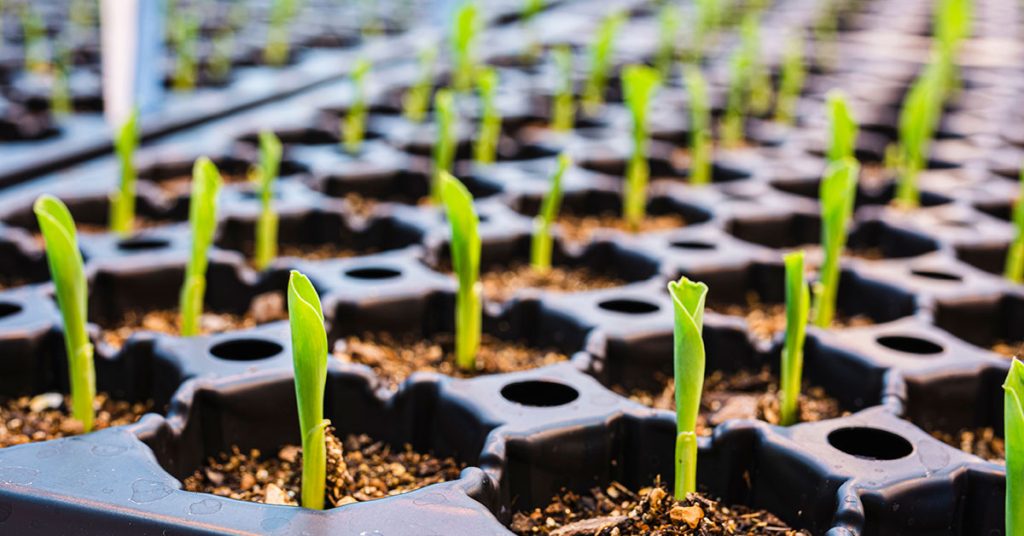
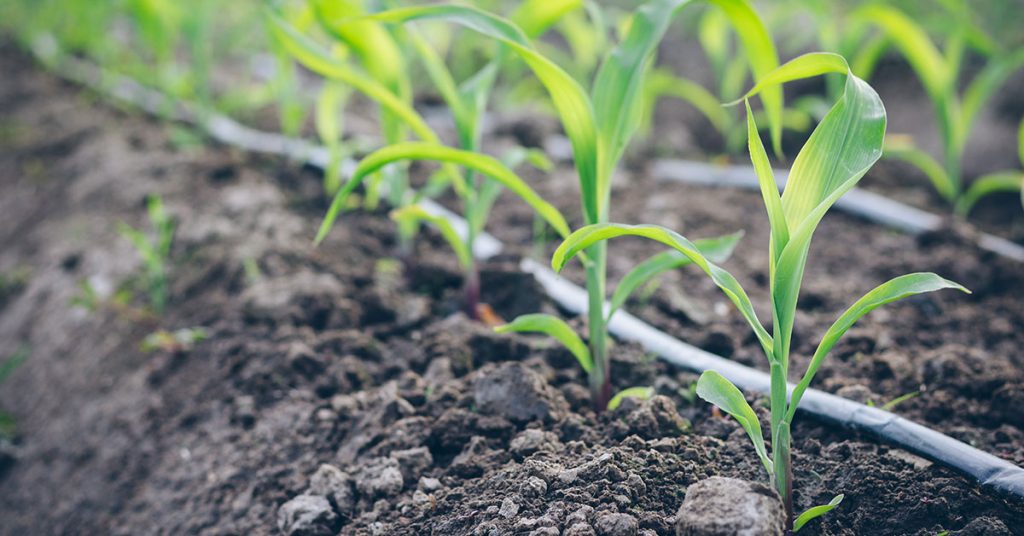
Planting corn in Minnesota at the right time is important for a successful crop. It is important to plant corn when the soil temperature is consistently above 50°F. Planting too early can be a problem since the seed can rot in cold soil while planting too late can cause the corn to mature late and...
Fruits And Vegetables
Living off grid is a term coined by Nick Rosen, an environmentalist. It’s defined as being independent of systems like utilities and other types of conveniences. Some consider it to be a sort of exile from society, others view it as being a more environmentally positive action, and technically, both are correct.
People who live off grid often have vastly simplified lifestyles. Buying stuff, convenience, and overconsumption take a back seat to more simplistic living. Lots of DIY, self improvement, and producing the things you need yourself.
Living off grid has numerous benefits. Off grid families tend to have a lower environmental footprint due to producing energy from clean tech sources like solar, less consumerism, and producing more food themselves. People who live off grid also experience a ton of personal satisfaction for the work they put in and what they get out.
Living off grid reportedly reduces stress and anxiety and improves health overall. The physical labor involved with off grid living is better for you than sitting at a desk in an office, and the food you grow yourself is often substantially healthier than what you would find in a grocery store.
Families who live off grid don’t just live frugally but can also make a little bit of money at it. Selling extra eggs, produce, and other things can help turn your off grid lifestyle into a net financial positive.
It’s not easy to be a fully off grid individual or family, but there are steps you can take to get you started without cutting off the world and living alone in a remote cabin.
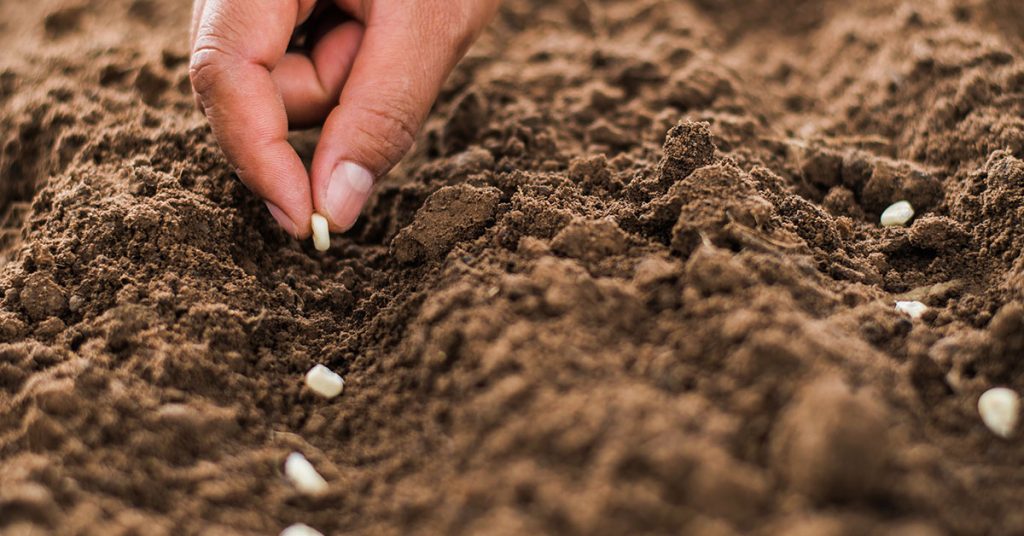
Knowing when to plant corn in Oklahoma is important for a successful corn crop. Corn is a warm-season crop and is best planted when soil temperatures are at least 55°F and rising. In Oklahoma, corn is typically planted in late April or early May to ensure it will have enough time to mature before the...
Knowing when to plant corn in Nebraska is incredibly important in order to have a successful harvest. Corn is a warm-season crop, meaning it needs warm temperatures and longer days in order to produce a good yield. Planting too early can lead to issues such as frost damage and early maturity. Planting too late can...
Knowing when to plant corn in Kansas is essential for a successful harvest. Corn is a warm-season crop, so it should be planted in the spring when temperatures are above 50 degrees Fahrenheit and soil temperatures are at least 55 degrees Fahrenheit. If planted too early, there is a risk of frost damage, whereas planting...
Corn is one of the most important crops in South Dakota, and it is important to know when the optimal time to plant it. Planting corn too early can lead to problems with frost, while planting too late can cause the crops to mature during periods of hot summer weather, leading to reduced yields. Knowing...
Knowing when to plant corn in North Dakota is of utmost importance. North Dakota’s unpredictable climate can lead to crop failure if the wrong planting time is chosen. Planting too early can lead to frost damage and too late can lead to yield losses. Planting too early can also lead to increased pest pressure, as...
Knowing when to plant corn in Idaho is paramount for those who want to grow a successful crop. Corn is a warm-season crop that thrives in temperatures of 65 to 85 degrees Fahrenheit, so the ideal planting time in Idaho is after the last frost of spring. Planting too early can lead to crop failure...
Knowing when to plant corn in Montana is essential for a successful crop. Corn is a warm-season crop, so it requires warm temperatures for germination and growth. Planting too early can result in seedlings that do not survive until the ground warms up while planting too late can lead to a reduced yield due to...
Knowing when to plant corn in Wyoming is essential for farmers in the region. Planting at the right time can mean the difference between a successful crop and one that fails. Corn is a warm-season crop, which means that it should be planted when temperatures reach a minimum of 50°F. Planting too early in the...
Knowing when to plant corn in New Mexico is very important. Corn is a warm-season crop, which means it needs warm temperatures and plenty of sunlight to thrive. In New Mexico, the optimal planting time is typically between late March and early April, when the soil is warm enough and there is plenty of sunshine....
Planting corn in Utah is important because the right timing can make a huge difference in the success of the crop. Planting at the wrong time can lead to disease, poor yields, and even complete crop failure. The best time to plant corn in Utah is usually in the middle of April or early May...
Knowing when to plant corn in Nevada is essential for a successful harvest. Corn is a warm-season crop, and its growth and development are significantly affected by climate. Planting late in the season can lead to decreased yields due to inadequate pollination or poor germination. To ensure a good harvest, corn should be planted as...