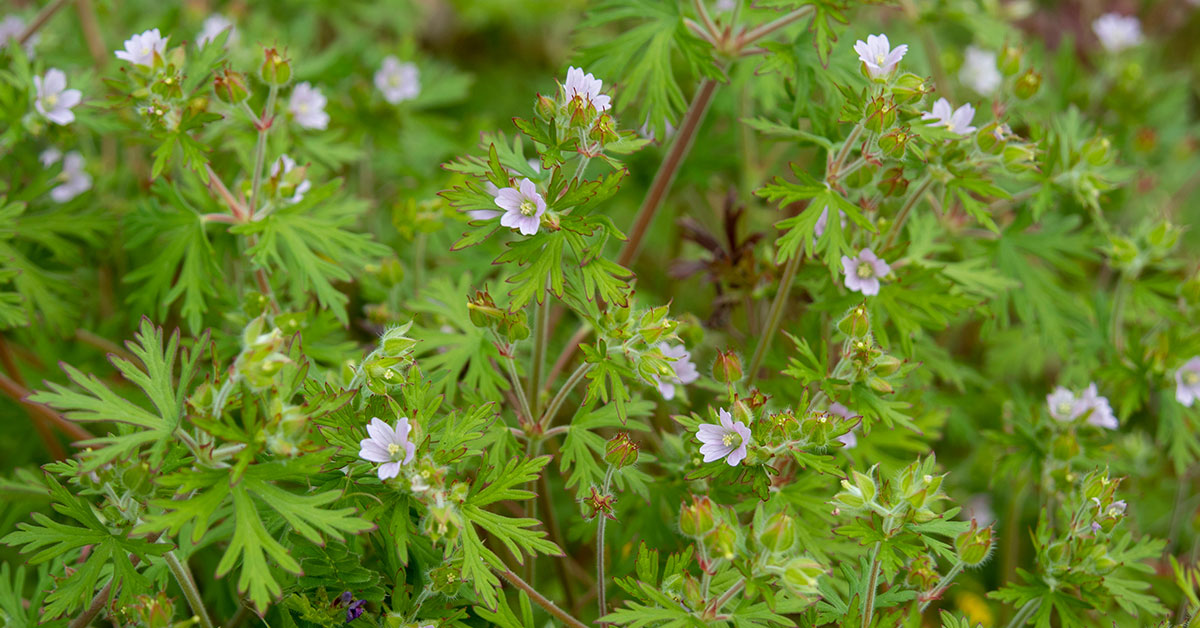

This delightful wildflower known as the Carolina Geranium is native to the southeastern region of the United States. It is a true gem in the botanical world.
With its vibrant pink or purple flowers and delicate foliage, the Carolina Geranium is sure to capture your attention and leave you in awe of nature’s beauty. We will discuss the characteristics, habitat, and interesting facts about this remarkable plant.
What is a Carolina Geranium?
Carolina Geranium is a small herbaceous perennial plant that typically grows up to 1-2 feet in height. It features deeply lobed leaves that are palmately divided into five to seven segments. The leaves are hairy and can vary in shape, ranging from oval to kidney-shaped. The plant produces delicate, five-petaled flowers that are usually pink or purple in color but can also be white. The flowers bloom from spring to summer, attracting various pollinators such as bees and butterflies.
Carolina Geranium is commonly found in open and sunny habitats, including fields, meadows, roadsides, and disturbed areas. It can tolerate a wide range of soil types, from sandy to loamy, and is often found in areas with well-drained soil. This species is native to North America and can be found throughout the United States, particularly in the eastern and central regions. It is also known to occur in parts of Canada and Mexico.
Carolina Geranium plays a significant role in the ecosystem as a nectar source for pollinators. Its attractive flowers attract bees and butterflies, aiding in their pollination activities and contributing to the overall biodiversity of the area. Additionally, the plant’s leaves and stems serve as food for some herbivorous insects, providing a source of sustenance for these organisms.
Apart from its ecological importance, Carolina Geranium holds cultural significance in some Native American tribes. It has been used in traditional medicine for various purposes, including treating digestive disorders, skin ailments, and respiratory issues. The Cherokee tribe, for instance, used the plant as a remedy for dysentery and diarrhea.
Where is Carolina Geranium native?
Carolina Geranium is primarily native to North America, with its range extending from Canada to the southern parts of the United States. Within this range, it is found in a variety of habitats, including meadows, prairies, open woodlands, and disturbed areas such as roadsides and fields.
Carolina Geranium is distributed across a significant number of US states, providing a delightful presence in their natural ecosystems. Here are some of the states where this native species can be commonly observed:
- Northeastern States:
Carolina Geranium can be found in several northeastern states, including Maine, New Hampshire, Vermont, Massachusetts, Connecticut, Rhode Island, New York, New Jersey, Pennsylvania, and Maryland. It thrives in the diverse habitats offered by this region, enhancing the beauty of its local flora. - Midwestern States:
Moving towards the heartland of the United States, Carolina Geranium can also be found in numerous states within the Midwest. These states include Ohio, Indiana, Illinois, Michigan, Wisconsin, Minnesota, Iowa, Missouri, and Kansas. The plant flourishes in both rural and urban areas, adding a touch of color to the landscapes. - Southern States:
In the southern parts of the United States, Carolina Geranium can be seen in states such as Virginia, West Virginia, North Carolina, South Carolina, Georgia, Florida, Alabama, Mississippi, Louisiana, Arkansas, Tennessee, Kentucky, and Texas. Its presence in these states contributes to the diverse floral tapestry of the region. - Western States:
While Carolina Geranium is more prevalent in the eastern and central parts of the United States, it can also be found in a few western states. These include Oklahoma, Colorado, New Mexico, and Arizona. Though less common in these areas, its presence showcases the adaptability of this native species.
Carolina Geranium, with its wide native range, is a beautiful addition to the flora of North America. It’s delicate blooms and vibrant colors bring joy to various habitats across the United States. Whether you reside in the northeastern, midwestern, southern, or even western states, keep an eye out for this native gem during your nature explorations.
How to start from seed
Carolina Geranium is a charming wildflower native to North America. With its delicate pink or purple flowers and deeply cut leaves, this plant adds beauty and color to any garden or landscape. One of the best ways to grow Carolina Geranium is by starting it from seed.
Before you begin the process of starting Carolina Geranium from seed, you will need to gather the seeds. You can find Carolina Geranium seeds in the wild or purchase them from a reputable seed supplier. Here are some steps to follow:
- Find a Carolina Geranium plant in its natural habitat, which is typically in open fields, meadows, or along roadsides. Look for mature plants with dried seed heads.
- Once you have located a suitable plant, carefully collect the seed heads. Gently shake or tap the seed heads into a container to release the seeds.
- To ensure successful germination, it is essential to store the seeds properly. Place the seeds in a paper envelope or a breathable container, and store them in a cool, dry place until you are ready to sow them.
Now that you have gathered and prepared your Carolina Geranium seeds, it’s time to sow them. Follow these steps to increase your chances of successful germination:
- Choose a well-draining pot or seed tray for sowing the seeds. Fill the container with a seed-starting mix or light, sandy soil.
- Moisten the soil with water, ensuring it is evenly damp but not waterlogged.
- Sprinkle the Carolina Geranium seeds evenly over the soil surface. You can lightly press them into the soil, but avoid burying them too deeply, as they require light to germinate.
- Cover the seeds with a thin layer of vermiculite or fine soil to help retain moisture and provide a stable environment for germination.
- Place the container in a bright location with indirect sunlight. A warm indoor space or a greenhouse is ideal for germination.
- Maintain consistent moisture by misting the soil regularly or using a spray bottle. Avoid overwatering, as this can lead to seed rot or fungal diseases.
After sowing the seeds, it’s time to be patient and wait for germination to occur. Here are some tips to help you care for the emerging seedlings:
- Germination can take anywhere from 2 to 4 weeks, depending on the conditions. Be patient and provide a stable environment with consistent temperature and moisture.
- Once the seedlings emerge, ensure they receive bright, indirect sunlight. If necessary, provide artificial lighting to supplement natural light.
- Thin out the seedlings if they become overcrowded. Remove weaker or smaller seedlings, allowing only the healthiest and strongest plants to grow.
- Continue to water the seedlings regularly, keeping the soil moist but not waterlogged. As the plants grow, adjust the watering frequency to meet their needs.
- When the seedlings have developed a few sets of true leaves, they can be transplanted into individual pots or outdoors in a prepared garden bed. Ensure proper spacing between plants to allow for their mature size.
How to grow this plant in your garden
Carolina Geranium is a charming and versatile plant that adds beauty to any garden or landscape. With its delicate flowers and attractive foliage, this native North American wildflower is a favorite among gardeners. Here is a quick guide explaining how to successfully grow this plant in your garden:
- Choosing the Right Location:
This plant thrives in full sun to partial shade. When selecting a location for planting, choose an area that receives at least 6 hours of direct sunlight per day. Ensure the soil is well-draining to prevent waterlogging, as this plant prefers slightly moist conditions. - Soil Preparation:
Prepare the soil before planting Carolina Geranium. This plant prefers well-draining soil with a pH level ranging from slightly acidic to neutral. Amend the soil with organic matter, such as compost or well-rotted manure, to improve its fertility and drainage. Remove any weeds or rocks from the planting area, as they can hinder growth. - Planting Carolina Geranium:
Carolina Geranium can be grown from seeds or transplants. If starting from seeds, sow them directly in the garden after the last frost date. Lightly cover the seeds with soil and keep the area consistently moist until germination occurs. If using transplants, dig a hole slightly larger than the root ball, place the plant in the hole, and backfill with soil. Ensure the crown is level with the soil surface. - Watering and Maintenance:
Water regularly to keep the soil consistently moist, but not waterlogged. During dry periods, provide supplemental irrigation to prevent the plant from wilting. Mulching around the base of the plant helps retain moisture and suppress weeds. Remove any weeds that may compete for nutrients and water. Deadhead spent flowers to promote continuous blooming. - Fertilizing:
Carolina Geranium is generally a low-maintenance plant that doesn’t require heavy fertilization. However, you can apply a balanced, slow-release fertilizer during the growing season to promote healthy growth. Follow the manufacturer’s instructions for application rates. - Pruning and Division:
Pruning Carolina Geranium is not necessary, as it has a naturally compact growth habit. However, if the plant becomes leggy or overgrown, you can trim it back in early spring to promote a bushier form. Division is also an option to propagate Carolina Geranium. Every few years, dig up the plant and divide it into smaller sections, ensuring each section has roots and foliage. Furthermore, replant the divisions in separate locations or share them with fellow gardeners.
Interesting facts about Carolina Geranium
Carolina Geranium is a beautiful flowering plant that belongs to the Geraniaceae family. Native to North America, it can be found in various regions across the continent, including the eastern United States and parts of Canada. Here are some interesting facts about the Carolina Geranium:
- Appearance and Growth Habit: Carolina Geranium is a perennial herbaceous plant that typically grows up to 1-2 feet (30-60 cm) in height. It has deeply lobed leaves that are palmately divided into five to seven sections. The plant produces delicate pink or purple flowers, each with five petals, which bloom from spring to early summer.
- Common Names: Besides Carolina Geranium, this plant is also known by several other names, including Wild Geranium, Carolina Cranesbill, and Small-flowered Geranium.
- Attracts Pollinators: The flowers of Carolina Geranium are known to attract a wide range of pollinators, including bees, butterflies, and other beneficial insects. These pollinators play a crucial role in the plant’s reproduction by facilitating the transfer of pollen between flowers.
- Medicinal Uses: Carolina Geranium has a long history of medicinal use by Native American tribes. The leaves and roots of the plant were traditionally used to treat various ailments, including diarrhea, dysentery, sore throat, and external wounds. However, it is important to note that proper consultation with a healthcare professional is recommended before using any plant for medicinal purposes.
- Wildlife Value: The Carolina Geranium is not only beneficial to pollinators but also provides food and shelter to a variety of wildlife. The plant’s seeds are consumed by birds, while the foliage serves as a food source for caterpillars of certain butterfly species.
- Cultural Significance: In some Native American cultures, Carolina Geranium holds symbolic significance and is used in traditional ceremonies and rituals. It is believed to possess protective and healing properties.
- Easy to Grow: Carolina Geranium is relatively easy to grow, making it a popular choice for gardeners and landscapers. It thrives in well-drained soil and prefers full sun to partial shade. Once established, it can tolerate drought conditions, making it suitable for various gardening environments.
- Naturalizing Ability: Due to its prolific seed production and ability to self-sow, Carolina Geranium has a naturalizing tendency. It can spread quickly under favorable conditions, forming dense clusters or carpets of flowers.
- Ecological Importance: Carolina Geranium plays a vital role in supporting native ecosystems. Its presence helps prevent soil erosion and provides habitat and food for a wide range of insect and bird species.
- Ornamental Value: With its attractive flowers and foliage, it is often cultivated as an ornamental plant in gardens and landscapes. It adds a pop of color and a touch of elegance to flower beds, borders, and rock gardens.
Carolina Geranium is a fascinating plant with its stunning flowers, cultural significance, and ecological importance. Whether you appreciate its beauty in the wild or cultivate it in your garden, this resilient and versatile plant is sure to bring joy and benefit to both humans and nature alike.