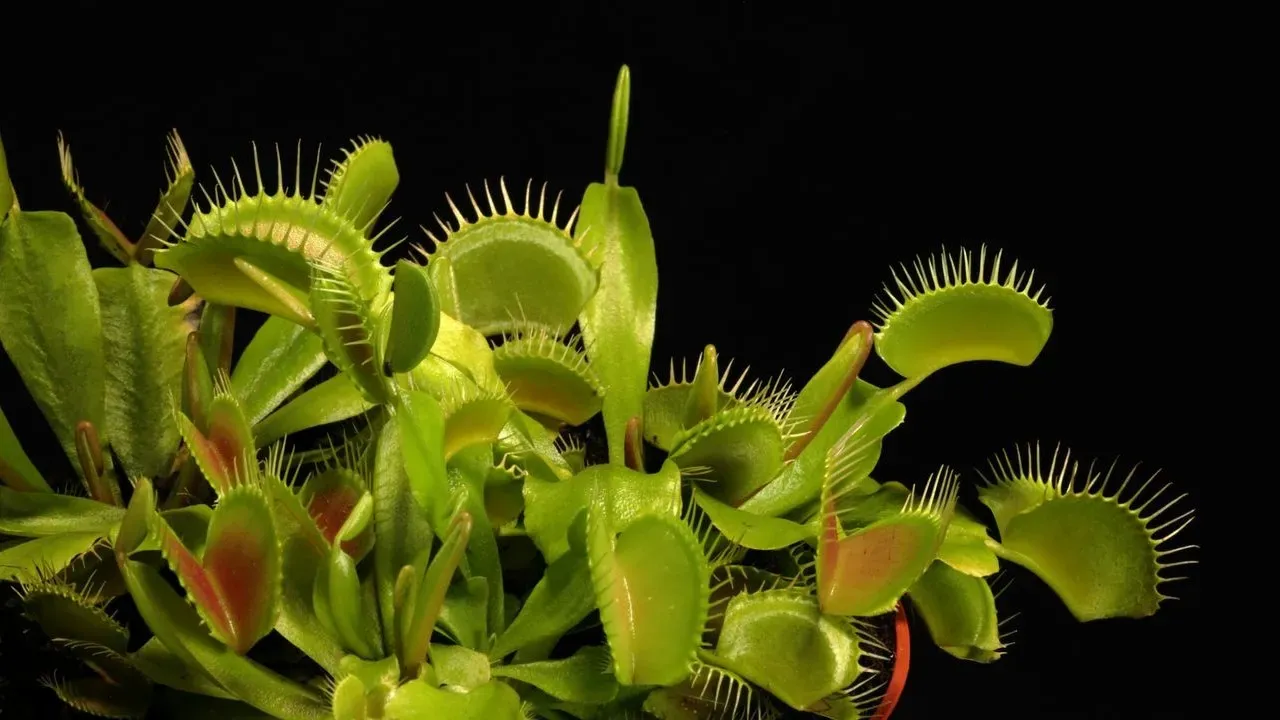

In a modest Maine yard, a collection of pitcher plants, sundews, and Venus flytraps has taken root alongside more conventional perennials. The plants stand out for their ability to supplement nutrients by trapping and digesting insects, a trait that sets them apart in a region known for its short growing season and acidic soils. What began as a few specimens has grown into a focused display that draws attention for both its form and its function.
The Distinctive Traits of These Insect-Eating Species
Pitcher plants form tubular leaves that hold water and lure prey with color and scent. Sundews rely on sticky, glandular hairs that ensnare small insects before slowly enveloping them. Venus flytraps use hinged leaves that snap shut when trigger hairs are touched, a mechanism that has made the species familiar even to those outside gardening circles.
Each type brings a different texture and silhouette to the garden beds. The upright pitchers create vertical interest, while the low rosettes of sundews and flytraps fill gaps at ground level. Together they produce a layered effect that remains compact enough for a typical residential lot.
Adapting the Collection to Maine Conditions
Maine’s cool summers and cold winters require careful placement. Many carnivorous plants prefer bright light and consistent moisture, conditions that can be met in raised beds amended with peat or sphagnum moss. Gardeners often site the plants where they receive several hours of sun yet avoid the harshest winter winds.
Protection during the dormant season is essential. Some collectors move sensitive specimens into unheated cold frames or mulch heavily around the crowns. The result is a planting that returns each spring without demanding extensive infrastructure.
Why These Plants Appeal Beyond Their Novelty
The visual contrast between delicate flowers and predatory leaves creates ongoing interest through the season. Observers note the way the plants interact with their surroundings, capturing flies and ants that might otherwise become garden pests. This natural control adds a practical dimension to what might otherwise be viewed as a curiosity collection.
Maintenance remains straightforward once the right microclimate is established. Watering with rainwater or distilled water prevents mineral buildup, and occasional feeding with diluted fertilizer supports growth without encouraging excessive size. The plants reward consistent but minimal intervention.
Integrating the Collection Into Everyday Garden Life
Placement near paths or seating areas allows the unusual foliage to be appreciated during daily routines. Companion plants that share similar soil preferences, such as certain native orchids or bog species, help the carnivorous specimens blend into a broader landscape rather than appear isolated.
Over time the collection has become a quiet focal point that sparks conversation without requiring elaborate explanation. Visitors often remark on the unexpected presence of these specialized plants in an otherwise familiar New England setting.
AI Disclaimer: This article was created with the assistance of AI tools and reviewed by a human editor.