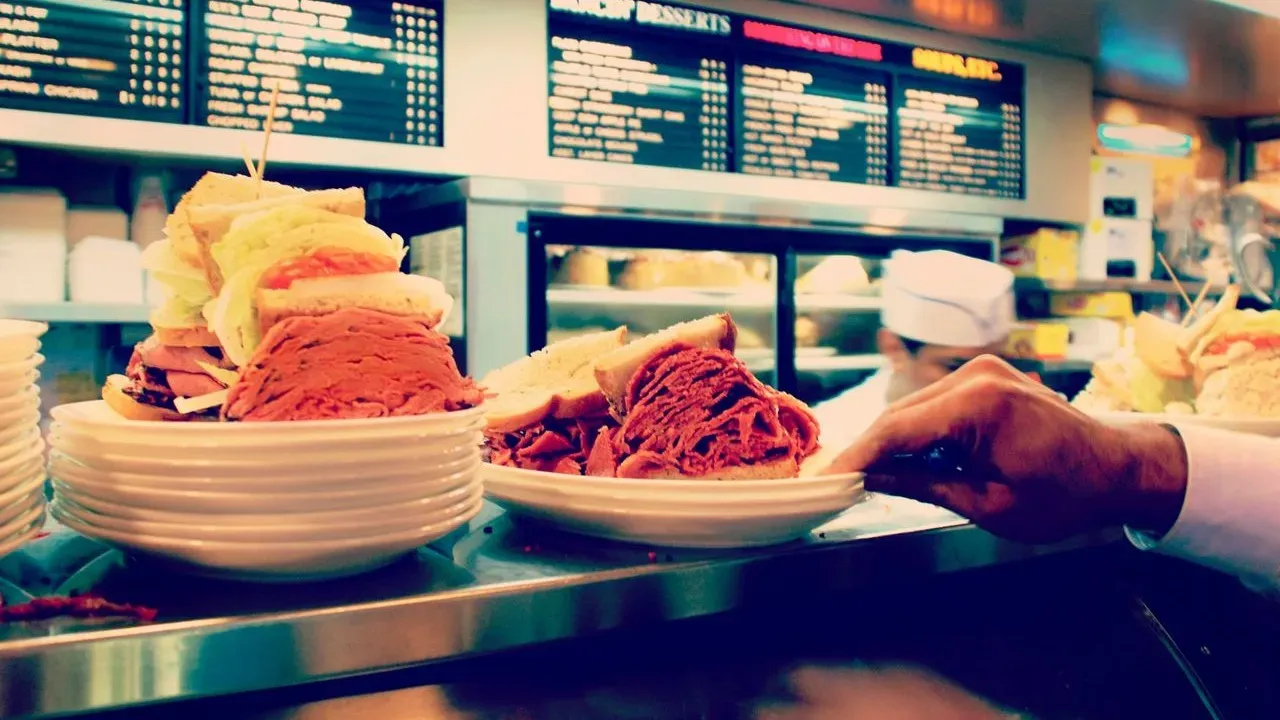

New York City – The Carnegie Deli, a landmark of New York pastrami culture that closed its original location years ago, is preparing to reopen in the Midtown space long occupied by its historic competitor, the Stage Deli. The move revives a storied rivalry between two institutions that once defined the city’s deli scene and draws renewed attention to the challenges facing classic eateries amid shifting real estate and dining habits. Details of the reopening emerged as part of broader coverage of New York restaurant developments. ([1])
Business Move With Nostalgia Attached
The decision places the Carnegie name back in a high-traffic corridor where both delis once competed directly for customers. Operators see the location as a practical way to reestablish the brand without starting from scratch on leases and foot traffic. For longtime patrons, the shift carries emotional weight because the two delis represented competing visions of what a New York deli should be. Stakeholders include the ownership group behind the revival, building management that previously hosted the Stage Deli, and a customer base that spans tourists and local regulars. The timeline remains tied to standard permitting and renovation steps typical for restaurant reopenings in the city. No firm opening date has been announced, yet the announcement itself has already sparked conversations among food historians and neighborhood observers.
What Changes for the Space
The former Stage Deli footprint offers established infrastructure that can support high-volume sandwich service and counter operations. Renovations are expected to preserve core elements of a classic deli layout while updating equipment and seating to meet current codes. Practical consequences extend to suppliers and staff who will need to adapt to the new operator’s sourcing and service model. The move also illustrates how prime retail spaces in Manhattan often cycle between similar concepts when one tenant departs. Observers note that such transitions can stabilize blocks that might otherwise sit vacant for extended periods.
Impact on the Broader Scene
– Classic delis face rising rents and changing customer preferences for lighter or faster options.
– Reusing an existing deli space can shorten the path to reopening compared with new construction.
– The Carnegie revival may encourage other legacy brands to explore similar location swaps.
– Local employment in food service stands to benefit once hiring begins for the revived operation. These points highlight measurable effects on real estate, labor, and the preservation of food traditions rather than abstract sentiment alone.
Looking Ahead
The reopening will test whether the Carnegie brand can recapture its former audience while operating under the shadow of its old rival’s history. Success will depend on execution of menu consistency, service speed, and the ability to draw both repeat visitors and new generations unfamiliar with the original rivalry. For the city’s deli culture, the outcome offers one more data point on how legacy names adapt to contemporary conditions.
AI Disclaimer: This article was created with the assistance of AI tools and reviewed by a human editor.