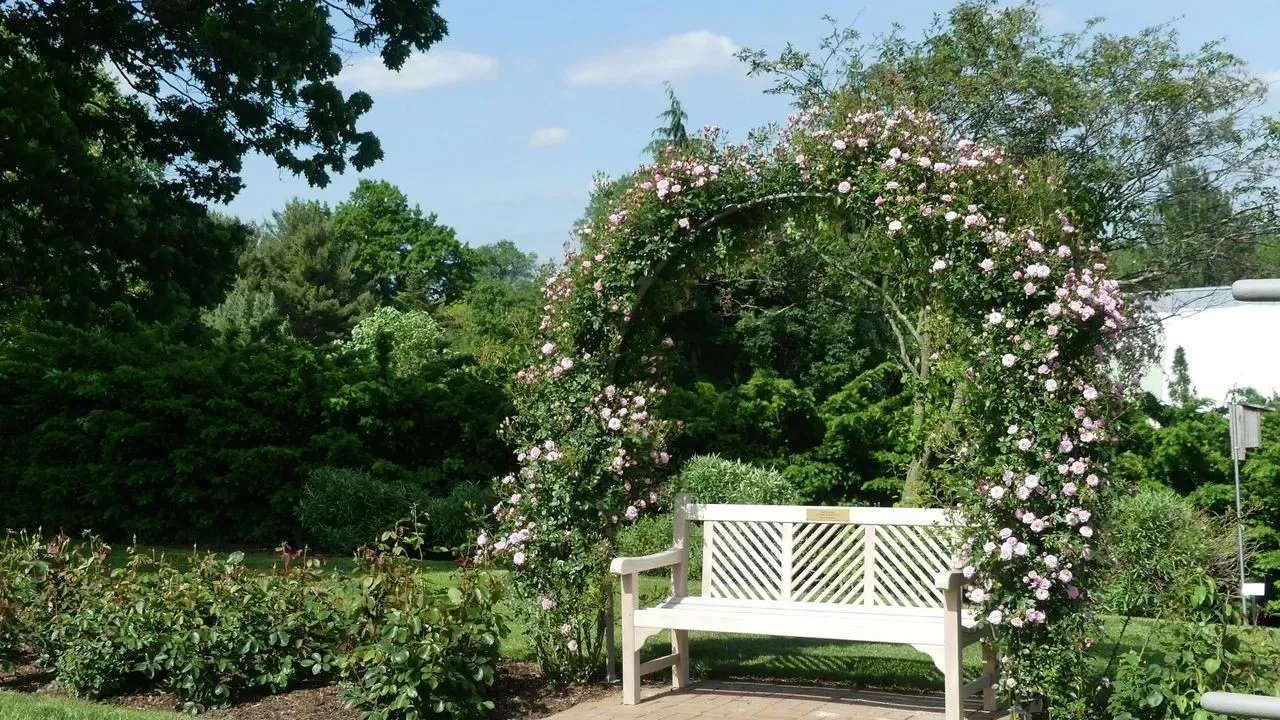

Carla tends a garden in Pennsylvania that continues to deliver vibrant midsummer color even after weeks of intense heat, repeated storms, and steady pressure from hungry deer. The display stands out because it persists through conditions that often leave other plantings looking tired or damaged. Gardeners nearby have taken note of how the space maintains its energy well into the season.
Weather and Wildlife Pressures Mount
High temperatures arrived early and stayed, pushing many plants toward stress. Storms followed with heavy rain and wind that flattened stems and scattered petals across the beds. Deer moved in regularly, testing fences and sampling anything within reach.
These factors combined to create a tough stretch for the garden. Yet the overall effect remained one of fullness rather than defeat. Carla watched the changes closely and adjusted her routine to protect what mattered most.
Color Holds Through the Season
Flowers continued to open in strong succession. Bright clusters appeared against green foliage that stayed mostly intact. The result was a layered look that felt lively rather than sparse.
Evening light often highlighted the remaining blooms, drawing attention to their staying power. Visitors remarked on how the garden looked fuller than expected given the earlier setbacks. The display proved that consistent care can offset many seasonal setbacks.
Practical Steps That Made a Difference
Carla focused on timely watering during the hottest stretches and added extra support for stems after storms. Simple barriers helped limit deer damage without altering the garden’s open feel. Regular checks allowed small problems to be addressed before they grew.
These measures kept the planting resilient rather than perfect. The approach relied on observation and steady effort more than dramatic interventions. Many gardeners in similar climates have found comparable routines useful when facing the same pressures.
Key elements that helped: consistent moisture, quick storm cleanup, and targeted protection from browsing. The garden shows that midsummer color is still possible under real-world conditions. Carla’s results offer a quiet reminder that persistence often pays off in the landscape.
AI Disclaimer: This article was created with the assistance of AI tools and reviewed by a human editor.