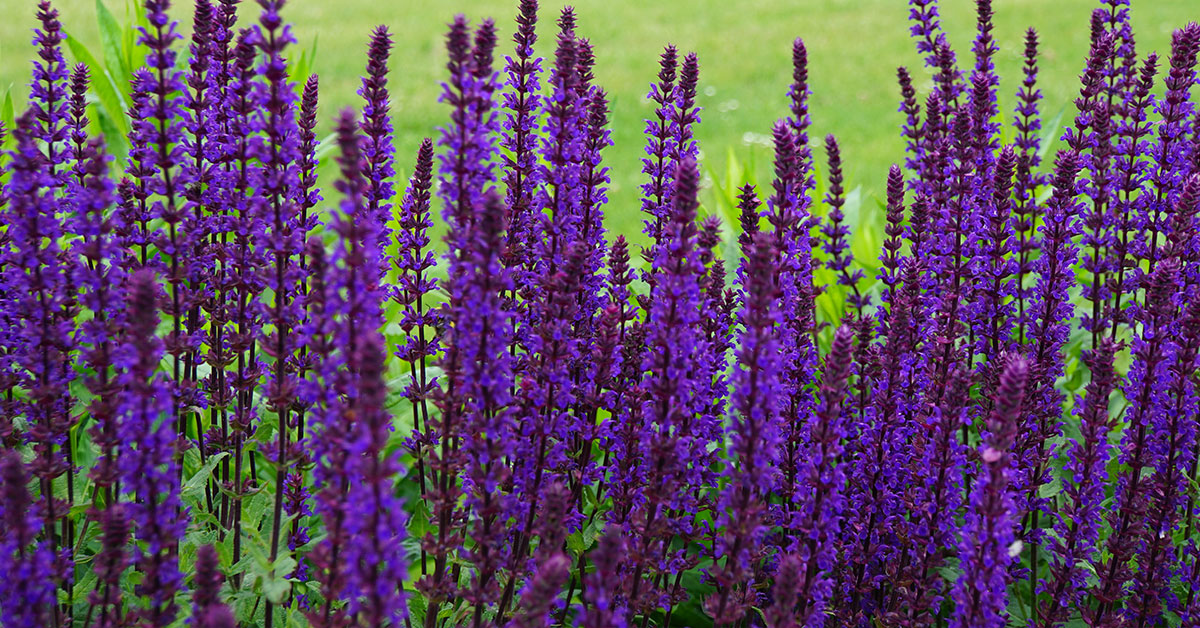

There are few sights in a garden more captivating than the vibrant hue of Caradonna Salvia. As its deep-purple spikes dance in the breeze, this perennial plant casts a spell of enchantment over your outdoor space. But the magic of Caradonna Salvia extends beyond its eye-catching aesthetics. This resilient plant is a favorite among gardeners and landscape designers for its hardiness, long blooming period, and attractiveness to pollinators. In this comprehensive guide, we delve into the intricacies of cultivating Caradonna Salvia.
What is Caradonna Salvia?
Caradonna Salvia, officially known as Salvia nemorosa ‘Caradonna’, is a spectacular perennial plant that belongs to the mint family, Lamiaceae. Originating from Europe and Western Asia, it is a beloved choice among gardeners and landscape designers due to its striking blooms and adaptability. This salvia variety is also known for its wonderful fragrance and its attractiveness to pollinators like butterflies and bees, making it an ideal choice for those looking to create a wildlife-friendly garden.
What Does Caradonna Salvia Look Like?
Caradonna Salvia distinguishes itself with its striking, deep-purple flower spikes that elegantly stand out against its backdrop of grey-green, aromatic foliage. The plant typically grows to a height of 18 to 24 inches and spreads out to a width of 12 to 18 inches. This combination of height and spread provides a vertical emphasis that is visually compelling and can be used to great effect in a variety of garden design styles.
The plant blooms from late spring through to the end of summer, offering a prolonged display of color. The vibrant flowers are tightly packed on the flower spikes, and their deep purple-blue color contrasts beautifully with the lighter colored foliage.
How to Grow Caradonna Salvia
Growing Caradonna Salvia is relatively easy as it’s a highly resilient plant. Here are some key points to remember:
Soil: This salvia variety thrives in well-drained soil, with a pH ranging from slightly acidic to slightly alkaline. It’s tolerant of a range of soil types, including clay, sandy, and loamy soils.
Light: Caradonna Salvia prefers full sun exposure but can tolerate partial shade. However, for optimal blooming, it’s best to place the plant where it can enjoy plenty of sunlight.
Water: Water the plant regularly, especially during dry periods, but avoid overwatering. Once established, Caradonna Salvia is drought-tolerant, making it a good choice for low-water gardens.
Temperature and Humidity: Salvia ‘Caradonna’ is hardy and can withstand a variety of climates. It performs well in USDA hardiness zones 4 through 9.
How to Prune and Deadhead Caradonna Salvia
Pruning and deadheading are vital care routines for keeping your Caradonna Salvia healthy and encouraging plentiful blooms.
Pruning: Light pruning is typically done in early spring to tidy up the plant and promote new growth. It involves removing any dead or damaged parts of the plant.
Deadheading: Deadheading is the process of removing faded or dead flowers to encourage new blooms. With Caradonna Salvia, deadheading during the midsummer can promote a second round of blooms in late summer or early fall. To deadhead, simply pinch or cut off the spent flower spikes just below the base of the old flowers.
How to Propagate Caradonna Salvia
Propagating Caradonna Salvia is an economical and satisfying way to multiply your plants. The two common methods used are through seed or division.
Seed Propagation: Collect the seeds from the salvia once the flower heads have dried out completely. Plant the seeds indoors in late winter or directly outdoors in spring. Germination usually occurs within 2 to 3 weeks.
Division Propagation: Division is often done in early spring or fall. It involves digging up the plant, separating the clump into smaller portions, and then replanting these divisions. Ensure each division has plenty of roots to facilitate healthy growth.
In conclusion, Caradonna Salvia is an eye-catching, hardy perennial that can add a pop of color to any garden setting. With its relative ease of care and propagation, it can be a rewarding plant for both novice and experienced gardeners.