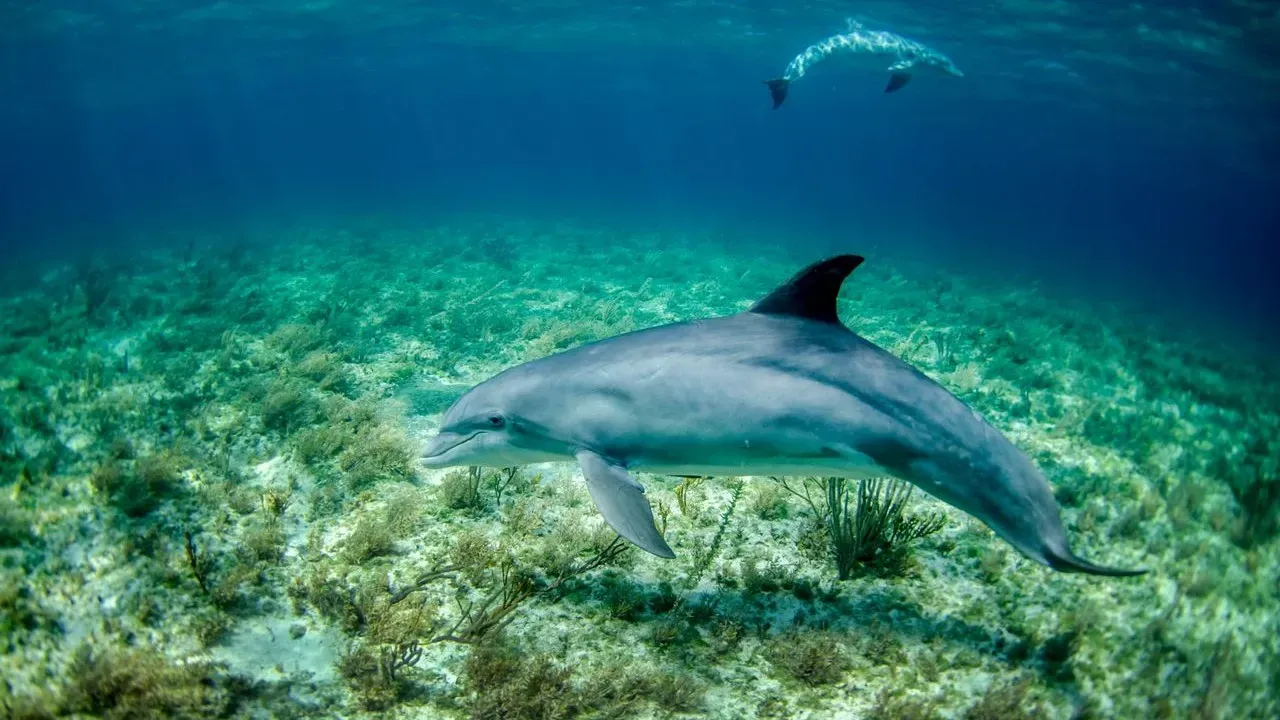

Brewster, Massachusetts – As many as 30 bottlenose dolphins stranded themselves on a local beach during low tide, marking the largest known event of its kind for the species in the region. Responders worked quickly to assist the animals as the tide receded. Most of the dolphins returned safely to open water, though several did not survive the incident.
The Incident Unfolds
The stranding took place in Brewster on Cape Cod, where the dolphins came ashore in a single event tied to the low tide cycle. Such gatherings of marine mammals on the sand can occur when animals follow prey too close to shore or encounter changing water conditions. In this case, the scale stood out immediately as responders assessed the full group.
Local teams arrived to evaluate the situation and begin moving the dolphins back into deeper water where possible. The timing during low tide complicated the effort, as the animals had limited options for escape until the water returned. Observers noted the unusual number involved compared with typical single or small-group strandings reported in the area.
Response and Immediate Outcomes
Rescue personnel focused first on the healthiest animals, guiding them toward the incoming tide and monitoring vital signs throughout the process. Several dolphins required repeated assistance to avoid re-stranding on the exposed flats. The coordinated push allowed the majority to swim away once water levels rose again.
Despite the rapid intervention, a number of the dolphins could not be revived. Officials confirmed the losses while emphasizing that the overall survival rate exceeded expectations for an event of this size. The episode highlighted both the challenges of mass strandings and the value of having trained responders on site quickly.
Why This Event Stands Out
Bottlenose dolphin strandings of any scale remain relatively uncommon along the New England coast, making a group of this size noteworthy for researchers and wildlife managers. The Brewster incident now serves as a benchmark for future response planning in similar coastal zones. It also underscores the need for continued monitoring of local marine mammal populations and their habitats.
Authorities have not released a final determination on the precise cause, though low tide conditions played a clear role in the animals reaching the beach. Ongoing reviews will examine water conditions, prey movements, and any other factors that may have contributed. Such analysis helps refine early-warning systems for coastal communities.
Looking Ahead
The event has prompted renewed attention to stranding response protocols across Cape Cod and neighboring areas. Organizations involved plan to share lessons learned to improve outcomes in future incidents. Public awareness of how to report marine mammal sightings also remains a priority for timely intervention.
While the loss of several dolphins is regrettable, the successful return of most of the group demonstrates the effectiveness of current preparedness measures. Continued vigilance will be essential as seasonal conditions shift along the coastline.
AI Disclaimer: This article was created with the assistance of AI tools and reviewed by a human editor.