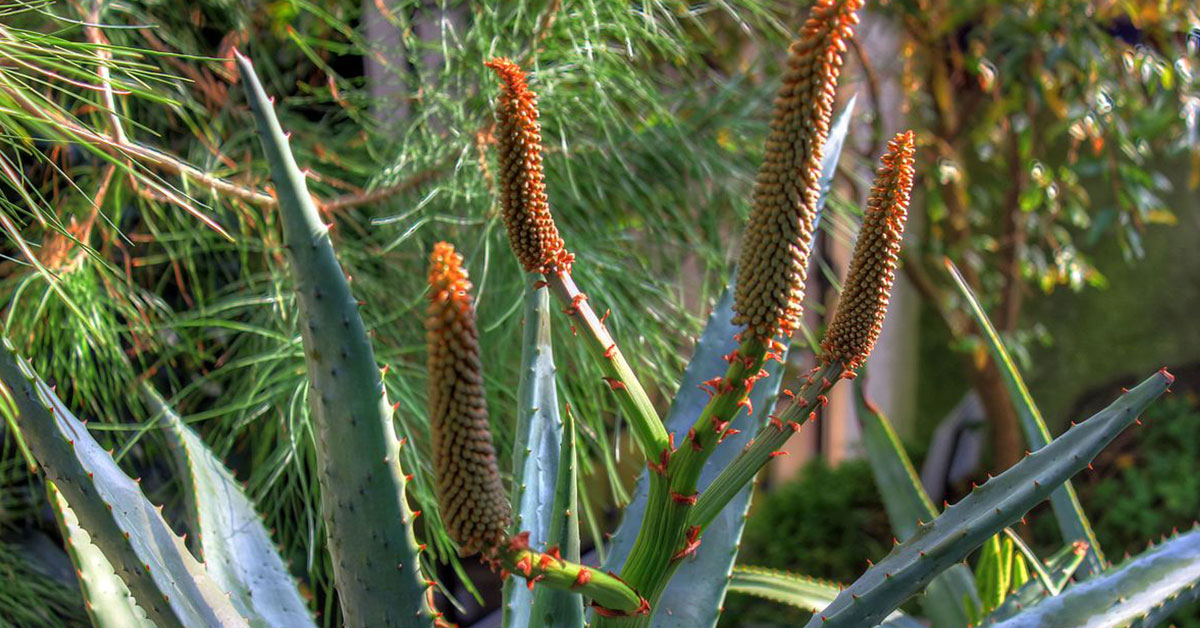

Welcome to the world of Cape Aloe, a stunning succulent plant that not only adds a touch of elegance to any indoor space but also offers a plethora of health benefits. Native to South Africa, Cape Aloe, scientifically known as Aloe ferox, is a popular choice among gardening enthusiasts due to its striking appearance and low maintenance requirements.
With its thick, fleshy leaves arranged in a rosette pattern and adorned with vibrant orange or red flowers, Cape Aloe is a true showstopper. But its beauty is not the only reason to grow this remarkable plant. Cape Aloe is renowned for its medicinal properties, with its gel-like sap being used for centuries to treat various ailments.
In this article, we will delve into the art of growing Cape Aloe, exploring its ideal growing conditions, propagation methods, and essential care tips to help you successfully cultivate this remarkable plant in your own home.
What is a Cape Aloe?
Cape Aloe, scientifically known as Aloe ferox, is a succulent plant native to South Africa’s Cape region. It belongs to the Aloe genus, which includes various species known for their medicinal and ornamental value. Cape Aloe is a popular houseplant due to its attractive appearance and numerous health benefits. In terms of appearance, Cape Aloe is a medium-sized succulent that typically grows up to 3 to 6 feet (1 to 2 meters) tall.
It has a rosette-shaped arrangement of thick, fleshy leaves that are green to bluish-green in color. The leaves are lance-shaped and can have serrated edges with small teeth. They are arranged in a spiral pattern, forming a dense cluster at the base of the plant. The leaves of Cape Aloe are known for their distinctive reddish-brown spines or thorns along the edges. These spines act as a natural defense mechanism against herbivores.
However, it’s important to handle the plant with care to avoid any prickly encounters. When Cape Aloe reaches maturity, it produces tall flower spikes that can reach up to 6 feet (2 meters) in height. The flowers are tubular and vary in color, ranging from orange and red to yellow. These blooms attract pollinators like birds and bees, adding to the plant’s overall beauty. Cape Aloe is a hardy plant that can tolerate a wide range of growing conditions.
It thrives in well-draining soil and prefers bright, indirect sunlight. This succulent is known for its ability to withstand drought conditions, making it a low-maintenance choice for indoor gardening. Apart from its ornamental value, Cape Aloe has been used for centuries for its medicinal properties. The gel found inside its leaves is rich in nutrients and is often used topically to soothe skin irritations, burns, and minor wounds.
It is also believed to have various internal health benefits when consumed in controlled amounts. Overall, Cape Aloe is a visually appealing succulent that can enhance the aesthetic appeal of any indoor space while providing potential health benefits.
Where is Cape Aloe native?
Cape Aloe (Aloe ferox) is native to South Africa, specifically the Eastern and Western Cape provinces. It is not considered invasive in its native habitat. However, when introduced to other regions with suitable climates, it can become invasive and outcompete native vegetation. It is important to check with local authorities or gardening experts before planting Cape Aloe in areas where it is not native to prevent any potential negative impacts on the local ecosystem.
How to grow Cape Aloe indoors
Cape Aloe (Aloe ferox) is a popular succulent plant known for its medicinal properties and attractive appearance. Growing Cape Aloe indoors can be a rewarding experience, but it requires proper care and attention. Here is a care guide to help you successfully grow Cape Aloe indoors:
- Light: Cape Aloe thrives in bright, indirect sunlight. Place your plant near a south or west-facing window where it can receive at least 6 hours of sunlight per day. If direct sunlight is too intense, you can use a sheer curtain or move the plant a little further from the window.
- Temperature: Cape Aloe prefers warm temperatures between 60-80°F (15-27°C). Avoid exposing the plant to extreme cold or hot drafts, such as near air conditioning units or heating vents.
- Watering: Allow the soil to dry out completely between waterings. Overwatering can lead to root rot and other issues. Water the plant thoroughly, allowing excess water to drain out of the pot. Empty the saucer or tray beneath the pot to prevent the plant from sitting in standing water.
- Soil: Use a well-draining succulent or cactus potting mix for Cape Aloe. These mixes provide the necessary drainage and aeration for the plant’s roots. Avoid heavy soils that retain moisture for too long.
- Fertilizer: Feed your Cape Aloe with a balanced, water-soluble fertilizer formulated for succulents. Apply the fertilizer according to the package instructions, usually every 2-4 weeks during the growing season (spring and summer). Reduce or stop fertilizing during the dormant period (fall and winter).
- Humidity: Cape Aloe is adapted to low humidity environments and does not require additional humidity. However, if you live in a very dry climate, you can occasionally mist the plant with water to increase humidity levels.
- Pruning: Remove any dead or damaged leaves by gently pulling them downward. This will help maintain the plant’s appearance and prevent the spread of diseases. Avoid cutting the central rosette of leaves, as this can harm the plant.
- Propagation: Cape Aloe can be propagated through offsets or pups that grow around the base of the plant. Carefully remove these offsets and plant them in a separate pot with well-draining soil. Allow the cuttings to callus for a few days before watering.
- Pests and Diseases: Cape Aloe is generally resistant to pests and diseases. However, overwatering can lead to root rot. Keep an eye out for signs of pests such as mealybugs or scale insects. If necessary, treat the plant with an appropriate insecticidal soap or neem oil.
- Dormancy: Cape Aloe may enter a dormant period during the fall and winter months. During this time, reduce watering and avoid fertilizing. Provide the plant with bright, indirect light and maintain a slightly cooler temperature (around 50-60°F or 10-15°C) to encourage dormancy.
Remember, each plant is unique, and it’s essential to observe your Cape Aloe closely to understand its specific needs. With proper care, your Cape Aloe can thrive and bring beauty to your indoor space.
How to grow Cape Aloe outdoors
Cape Aloe (Aloe ferox) is a beautiful succulent plant native to South Africa. While it is commonly grown indoors as a houseplant, it can also be successfully grown outdoors in suitable climates. Here is a care guide for growing Cape Aloe outdoors:
Climate and Location:
- Cape Aloe thrives in warm and dry climates. It is best suited for USDA hardiness zones 9-11.
- Choose a location that receives full sun for at least 6-8 hours a day.
- Ensure the planting area has well-draining soil to prevent waterlogging.
Soil Preparation:
- Cape Aloe prefers sandy or loamy soil with good drainage.
- If your soil is heavy or clayey, amend it with sand, perlite, or organic matter to improve drainage.
- A slightly acidic to neutral pH level (around 6.0-7.0) is ideal for Cape Aloe.
Planting:
- Dig a hole that is slightly larger than the root ball of the Cape Aloe plant.
- Place the plant in the hole, ensuring that the top of the root ball is level with or slightly above the soil surface.
- Backfill the hole with soil, gently firming it around the plant.
- Water thoroughly after planting to settle the soil.
Watering:
- Cape Aloe is drought-tolerant and prefers infrequent but deep watering.
- Water the plant deeply once every 2-3 weeks during the growing season (spring and summer).
- Allow the soil to dry out between waterings to prevent root rot.
- Reduce watering in the winter months when the plant is dormant.
Fertilization:
- Cape Aloe does not require frequent fertilization but can benefit from a balanced, slow-release fertilizer once or twice a year.
- Apply the fertilizer in early spring and again in early summer, following the package instructions for dosage.
- Avoid over-fertilizing, as it can lead to weak growth and reduced flowering.
Pruning:
- Cape Aloe generally does not require much pruning.
- Remove any dead or damaged leaves by cutting them off at the base.
- If the plant becomes too large or unruly, you can trim back the outer leaves to maintain a more compact shape.
Protection from Frost:
- While Cape Aloe is relatively cold-hardy, it may require protection from frost in cooler climates.
- Cover the plant with a frost cloth or move potted plants indoors during periods of frost or freezing temperatures.
Pests and Diseases:
- Cape Aloe is generally resistant to pests and diseases.
- However, overwatering can lead to root rot, so it’s important to ensure proper drainage.
- Keep an eye out for common succulent pests like mealybugs or aphids. If detected, treat them with an appropriate insecticidal soap or neem oil.
By following these care guidelines, you can successfully grow Cape Aloe outdoors and enjoy its striking foliage and vibrant flowers. Remember to adjust the care routine based on your specific climate and local conditions.
How to grow Cape Aloe in pots
Cape Aloe, also known as Aloe ferox, is a popular succulent plant that is native to South Africa. It is known for its medicinal properties and attractive foliage. Here is a care guide to help you successfully grow Cape Aloe in pots:
- Pot selection: Choose a pot that has good drainage holes and is slightly larger than the root ball of the plant. Aloe plants prefer being slightly root-bound, so avoid using a pot that is too large.
- Soil: Use a well-draining soil mix specifically designed for succulents or cacti. You can also create your own mix by combining equal parts of regular potting soil, coarse sand, and perlite or pumice.
- Sunlight: Cape Aloe thrives in bright, indirect sunlight. Place your potted plant near a south or west-facing window where it can receive at least 6 hours of sunlight per day. If growing indoors, you may need to supplement with artificial grow lights.
- Watering: Aloe plants are drought-tolerant and prefer infrequent watering. Allow the soil to completely dry out between waterings. When watering, thoroughly soak the soil until water drains out of the bottom of the pot. Avoid overwatering, as it can lead to root rot.
- Temperature and humidity: Cape Aloe prefers warm temperatures between 60-80°F (15-27°C). It can tolerate higher temperatures but may suffer in extreme heat. Aloe plants are adapted to low humidity environments, so normal household humidity levels are usually sufficient.
- Fertilizer: Feed your Cape Aloe plant with a balanced, water-soluble fertilizer formulated for succulents. Apply the fertilizer during the growing season (spring and summer) at half the recommended strength, once every 2-4 weeks. Do not fertilize during the dormant period (fall and winter).
- Pruning: Remove any dead or damaged leaves by cutting them close to the base of the plant. This will help maintain the overall appearance and health of the plant.
- Propagation: Cape Aloe can be propagated through offsets or pups that grow at the base of the plant. Gently remove the offsets and plant them in a separate pot with well-draining soil. Allow the cut ends to dry for a day or two before planting.
- Pests and diseases: Aloe plants are generally resistant to pests and diseases. However, they can occasionally be affected by mealybugs or scale insects. If you notice any signs of infestation, isolate the affected plant and treat it with an appropriate insecticide or by wiping the pests off with a cotton swab dipped in rubbing alcohol.
- Dormancy: Cape Aloe goes through a period of dormancy during the fall and winter months. During this time, reduce watering and avoid fertilizing. Place the plant in a cooler location with reduced sunlight to mimic its natural conditions.
By following these care guidelines, you can enjoy a healthy and thriving Cape Aloe plant in your pot. Remember to observe your plant closely and make adjustments to the care routine as needed.
When does Cape Aloe bloom?
Cape Aloe (Aloe ferox) typically blooms during the winter months, specifically from late winter to early spring. The exact timing may vary depending on the specific growing conditions and climate in your region. However, it is common for Cape Aloe to produce vibrant orange or red flowers on tall stalks during this time of the year.
Propagation guide for Cape Aloe
Cape Aloe (Aloe ferox) can be propagated through various methods, including seed propagation, division, and leaf cuttings. Here’s a step-by-step guide on how to propagate Cape Aloe using leaf cuttings:
- Select a healthy and mature Cape Aloe plant with several leaves. Choose a leaf that is firm and plump, avoiding any damaged or diseased leaves.
- Using a clean, sharp knife or shears, carefully cut a leaf from the base of the plant. Make sure to cut as close to the stem as possible, leaving a clean cut.
- Allow the cut end of the leaf to dry for a few days, or until a callus forms over the wound. This step helps prevent rotting when the cutting is planted.
- Prepare a well-draining potting mix suitable for succulents. You can use a mix of cactus soil and perlite or sand to ensure good drainage.
- Once the leaf cutting has calloused, gently press the cut end into the potting mix, burying it about an inch deep. Ensure that the leaf is planted upright, with the calloused end facing downwards.
- Place the potted cutting in a warm and bright location, but avoid direct sunlight, as it can scorch the cutting. Maintain a temperature of around 70-80°F (21-27°C) for optimal growth.
- Water the cutting sparingly, allowing the soil to dry out between waterings. Overwatering can lead to rot, so it’s crucial to strike a balance. Aim to keep the soil lightly moist, but not soggy.
- After a few weeks, you should start to see new roots and a small rosette forming at the base of the leaf cutting. This indicates successful propagation.
- Once the new plantlet has developed a few leaves and a strong root system, you can carefully transplant it into a larger pot or directly into the garden if the conditions are suitable.
Remember, Cape Aloe is a slow-growing plant, so be patient throughout the propagation process. With proper care and attention, your propagated Cape Aloe will eventually grow into a beautiful and healthy plant.
Common pests and diseases
Cape Aloe (Aloe ferox) is generally a hardy plant, but it can still be susceptible to certain pests and diseases. Here are some common issues to watch out for:
- Mealybugs: These small, white, cotton-like insects can infest the leaves and stems of Cape Aloe. They suck sap from the plant, causing yellowing and wilting. Use a cotton swab dipped in rubbing alcohol to remove them, or use an insecticidal soap.
- Scale insects: These pests appear as small, brown or black bumps on the leaves and stems. They also feed on plant sap, causing yellowing and stunted growth. Remove them manually with a cotton swab dipped in rubbing alcohol or use an insecticidal soap.
- Spider mites: These tiny pests are difficult to see but can cause significant damage. They suck sap from the leaves, causing yellowing, stippling, and webbing. Increase humidity around the plant, regularly mist the leaves, and use insecticidal soap or neem oil to control them.
- Root rot: Overwatering or poorly draining soil can lead to root rot, which is caused by fungal pathogens. Symptoms include wilting, yellowing leaves, and a foul odor from the soil. To prevent root rot, ensure the plant is in well-draining soil and water only when the top inch of soil is dry.
- Leaf spot: Fungal diseases like leaf spot can occur if the plant is exposed to excessive moisture or poor air circulation. Symptoms include brown or black spots on the leaves. Remove affected leaves, improve air circulation, and avoid overhead watering to prevent leaf spot.
Regularly inspect your Cape Aloe for any signs of pests or diseases, and take appropriate action promptly to prevent further damage.
Facts about Cape Aloe
Cape Aloe, also known as Aloe ferox, is a fascinating plant with several interesting facts:
- Origin: Cape Aloe is native to South Africa, specifically the Cape region. It thrives in the dry and rocky areas of the country.
- Medicinal Uses: Cape Aloe has a long history of medicinal use. The gel inside its leaves is known for its healing properties and is commonly used in various skincare products. It is believed to have anti-inflammatory, antibacterial, and antifungal properties.
- Bitter Taste: Unlike other aloe species, Cape Aloe has a bitter taste. This is due to the presence of a compound called aloin, which gives it a distinct flavor. The bitterness serves as a natural defense mechanism against animals that might try to eat it.
- Succulent Characteristics: Cape Aloe belongs to the succulent family, which means it has thick, fleshy leaves that store water. This adaptation allows the plant to survive in arid conditions by conserving water during dry periods.
- Impressive Size: When fully grown, Cape Aloe can reach an impressive size. Its rosette of leaves can span up to 3 feet (1 meter) in diameter, making it a striking addition to any garden or indoor space.
- Flowering Beauty: Cape Aloe produces tall flower spikes that can reach up to 10 feet (3 meters) in height. The flowers are tubular, typically orange or red in color, and attract pollinators such as birds and bees.
- Drought Tolerance: Cape Aloe is highly drought-tolerant and can survive extended periods without water. This makes it an excellent choice for xeriscaping or for those who tend to forget to water their plants regularly.
- Easy to Grow: Cape Aloe is relatively easy to grow, both indoors and outdoors. It prefers well-draining soil and requires minimal maintenance. However, it is important to provide it with adequate sunlight for optimal growth.
- Longevity: With proper care, Cape Aloe can live for several decades. It is a resilient plant that can withstand harsh conditions, making it a great choice for beginner gardeners.
- Ecological Importance: Cape Aloe plays a crucial role in its native ecosystem. Its flowers provide nectar for pollinators, and its leaves offer shelter for small animals and insects. Additionally, its thick leaves help prevent soil erosion in its natural habitat.