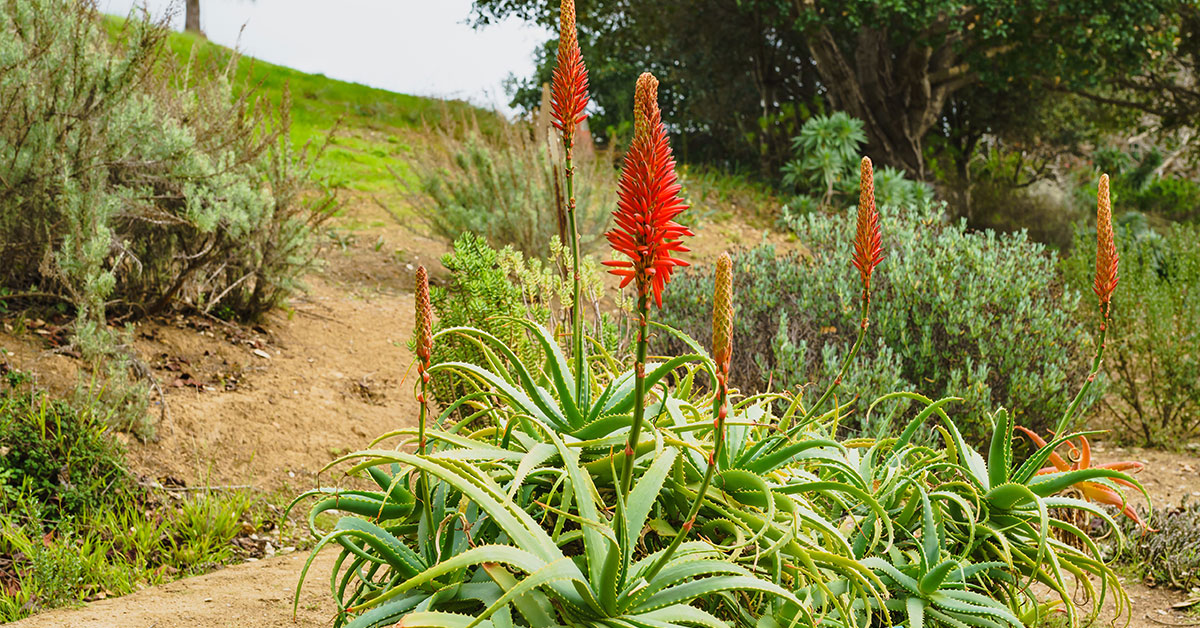

Welcome to the world of Candelabra Aloe, a stunning succulent that is sure to bring a touch of elegance and beauty to any indoor or outdoor space. With its unique candelabra-like shape and vibrant, fleshy leaves, this plant is a favorite among gardening enthusiasts.
Whether you are a seasoned gardener or just starting out, growing Candelabra Aloe is a rewarding and relatively easy endeavor. In this article, we will explore the various aspects of caring for this remarkable plant, from choosing the right location and soil to watering and propagation techniques. So, grab your gardening tools and let’s dive into the wonderful world of Candelabra Aloe!
What is a Candelabra Aloe?
A Candelabra Aloe, also known as Aloe arborescens, is a succulent plant native to South Africa. It is a popular houseplant and garden plant due to its attractive appearance and low maintenance requirements. The Candelabra Aloe is characterized by its rosette-shaped growth habit, with thick, fleshy leaves that grow in a spiral pattern.
The leaves are typically green or bluish-green in color and have toothed edges. They can grow up to 2 feet long and are arranged in a dense cluster, resembling a candelabra, hence the name. The plant can reach a height of 3 to 6 feet, with multiple stems branching out from the base. These stems are sturdy and can hold the weight of the leaves, giving the plant its distinctive candelabra-like appearance.
During the winter months, the Candelabra Aloe produces vibrant, tubular flowers that are usually orange or red in color. These flowers grow on tall, erect stalks that emerge from the center of the plant. The blooming period typically occurs from late winter to early spring, adding a splash of color to your indoor or outdoor space.
Candelabra Aloes are relatively easy to care for. They prefer bright, indirect sunlight, but can tolerate some direct sun. They are drought-tolerant plants, so it’s important to allow the soil to dry out between waterings.
Overwatering can lead to root rot, so it’s best to err on the side of underwatering. Additionally, they prefer well-draining soil and can benefit from occasional fertilization during the growing season. Overall, the Candelabra Aloe is a visually appealing and resilient plant that can thrive both indoors and outdoors, making it a popular choice for plant enthusiasts.
Where is Candelabra Aloe native?
The Candelabra Aloe, scientifically known as Aloe arborescens, is native to southern Africa, specifically in the countries of South Africa, Malawi, Mozambique, and Zimbabwe. It is commonly found in rocky areas and slopes.
In terms of invasiveness, the Candelabra Aloe is not considered invasive in most regions. However, it is important to note that invasive tendencies can vary depending on the specific location and climate. In its native habitat, it grows naturally and does not pose a threat to the ecosystem. However, in some regions with similar climates, it has been reported to escape cultivation and naturalize in certain areas.
If you are considering planting Candelabra Aloe in your garden, it is always recommended to check with your local agricultural extension office or gardening experts to determine if it is classified as invasive in your specific region. They can provide you with the most accurate and up-to-date information regarding the plant’s behavior in your area.
How to grow Candelabra Aloe indoors
Candelabra Aloe (Aloe arborescens) is a beautiful succulent that can be grown indoors as a houseplant. Here is a care guide to help you successfully grow Candelabra Aloe indoors:
- Light requirements: Candelabra Aloe thrives in bright, indirect sunlight. Place your plant near a south or west-facing window where it can receive at least 6 hours of sunlight per day. If natural light is insufficient, you can supplement with artificial grow lights.
- Temperature: Candelabra Aloe prefers temperatures between 60-80°F (15-27°C). Protect it from extreme temperature fluctuations and cold drafts, as they can damage the plant.
- Watering: Allow the soil to dry out between waterings. Overwatering can lead to root rot, so it’s important to avoid keeping the soil constantly wet. Water your Candelabra Aloe deeply, allowing the excess water to drain out of the pot. Empty the saucer beneath the pot to prevent waterlogging.
- Soil: Use a well-draining potting mix specifically formulated for succulents or cacti. You can also create your own mix by combining regular potting soil with perlite or coarse sand to improve drainage.
- Fertilizer: Feed your Candelabra Aloe with a balanced, water-soluble fertilizer formulated for succulents. During the growing season (spring and summer), fertilize once a month. Reduce or stop fertilizing during the dormant period (fall and winter).
- Humidity: Candelabra Aloe is adapted to arid conditions and doesn’t require high humidity levels. Average room humidity is usually sufficient. However, if the air in your home is extremely dry, you can increase humidity by placing a tray of water near the plant or using a humidifier.
- Pruning: Remove any dead or damaged leaves by gently pulling them away from the base of the plant. Pruning is not necessary unless you want to control the size or shape of your Candelabra Aloe.
- Propagation: Candelabra Aloe can be propagated through offsets or pups that grow from the base of the plant. Carefully remove the offsets and allow them to dry for a day or two before planting them in a well-draining succulent mix.
- Pests and diseases: Candelabra Aloe is generally resistant to pests and diseases. However, overwatering can lead to root rot, and mealybugs or scale insects may occasionally infest the plant. Inspect your plant regularly and take appropriate measures if you notice any issues.
- Dormancy: Candelabra Aloe may enter a period of dormancy during the fall and winter months. During this time, reduce watering and avoid fertilizing. Provide your plant with bright, indirect light to help maintain its health during dormancy.
Remember to observe your Candelabra Aloe regularly and adjust your care routine accordingly. With proper attention and care, your indoor Candelabra Aloe will thrive and bring beauty to your home.
How to grow Candelabra Aloe outdoors
Candelabra Aloe (Aloe arborescens) is a beautiful succulent plant that can be grown outdoors in suitable climates. Here is a care guide to help you successfully grow Candelabra Aloe:
- Climate: Candelabra Aloe thrives in warm and dry climates. It is best suited for USDA hardiness zones 9-11. It can tolerate mild frost but may suffer damage in freezing temperatures.
- Sunlight: Place your Candelabra Aloe in a location that receives full sun to partial shade. It needs at least 6 hours of direct sunlight per day to grow and bloom properly.
- Soil: Well-draining soil is crucial for Candelabra Aloe. Use a cactus or succulent potting mix or create your own by combining regular potting soil with perlite or coarse sand. This will ensure proper drainage and prevent root rot.
- Watering: Candelabra Aloe is drought-tolerant and prefers infrequent but deep watering. Allow the soil to dry out completely between waterings. Overwatering can lead to root rot, so it’s better to underwater than overwater. During winter, reduce watering frequency as the plant goes into a dormant phase.
- Fertilizer: Feed your Candelabra Aloe with a balanced, water-soluble fertilizer during the growing season (spring and summer). Dilute the fertilizer to half the recommended strength and apply it every 4-6 weeks. Avoid fertilizing during winter.
- Pruning: Candelabra Aloe can grow up to 6 feet tall and wide. To maintain a more compact shape, you can prune the plant by removing any dead or damaged leaves. Use clean and sharp pruning shears to avoid introducing diseases.
- Pests and Diseases: Candelabra Aloe is generally resistant to pests and diseases. However, it can occasionally be affected by mealybugs or scale insects. Inspect your plant regularly and treat any infestations with an organic insecticidal soap or neem oil.
- Propagation: Candelabra Aloe can be propagated through offsets or stem cuttings. To propagate through offsets, carefully remove the small plantlets that grow at the base of the main plant and plant them in a separate pot. For stem cuttings, allow the cut ends to dry for a few days before planting them in well-draining soil.
- Winter Care: If you live in a colder climate, it’s best to grow Candelabra Aloe in containers so you can bring them indoors during winter. Place the plant in a bright location and reduce watering. Protect it from drafts and cold temperatures.
By following these care guidelines, you can enjoy the beauty of Candelabra Aloe in your outdoor garden. Remember to adjust the care according to your specific climate and growing conditions.
How to grow Candelabra Aloe in pots
Candelabra Aloe (Aloe arborescens), also known as Torch Aloe, is a beautiful succulent plant that can be grown in pots indoors. Here is a care guide to help you successfully grow Candelabra Aloe:
- Light Requirements: Candelabra Aloe thrives in bright, indirect sunlight. Place your potted plant near a south or west-facing window where it can receive at least 6 hours of sunlight per day. If you don’t have access to sufficient natural light, you can use artificial grow lights.
- Temperature: Candelabra Aloe prefers temperatures between 60-80°F (15-27°C). Protect the plant from extreme cold or hot drafts, as they can damage the leaves.
- Pot Selection: Choose a well-draining pot with drainage holes to prevent waterlogging. Aloe plants have shallow root systems, so a wide and shallow pot is ideal. Use a pot with a diameter that is 1-2 inches larger than the plant’s root ball.
- Soil: Use a well-draining succulent or cactus potting mix. You can also create your own mix by combining equal parts of regular potting soil, perlite, and coarse sand. This mixture ensures proper drainage and prevents the roots from sitting in water.
- Watering: Allow the soil to dry out between waterings. Overwatering can lead to root rot. Water the plant thoroughly, ensuring that excess water drains out of the pot. Empty the saucer beneath the pot to prevent the plant from sitting in standing water.
- Humidity: Candelabra Aloe is adaptable to average household humidity levels. However, if the air in your home is particularly dry, you can increase humidity by placing a tray of water near the plant or using a humidifier.
- Fertilizer: Feed your Candelabra Aloe with a balanced, water-soluble fertilizer formulated for succulents. Apply the fertilizer at half strength every 2-4 weeks during the growing season (spring and summer). Avoid fertilizing during the winter months when the plant is dormant.
- Pruning: Remove any dead or damaged leaves by gently pulling them downward. This will help maintain the plant’s appearance and prevent the spread of diseases.
- Propagation: Candelabra Aloe can be propagated through offsets, which are small plants that grow from the base of the main plant. Carefully remove the offsets and plant them in their own pots with well-draining soil. Allow the cut ends to callus over for a day or two before planting.
- Pests and Diseases: Candelabra Aloe is generally resistant to pests and diseases. However, overwatering can lead to root rot, so it’s essential to ensure proper drainage. If you notice any signs of pests, such as mealybugs or aphids, treat them with an organic insecticidal soap.
Remember to observe your Candelabra Aloe regularly and adjust your care routine as needed. With proper care, your plant will thrive and provide you with its unique beauty for years to come.
When does Candelabra Aloe bloom?
Candelabra Aloe (Aloe arborescens) typically blooms in late winter to early spring, usually around February to April. However, the blooming period can vary depending on the specific growing conditions and climate. It is important to note that the blooming time may also be influenced by factors such as the age and health of the plant.
Propagation guide for Candelabra Aloe
To propagate Candelabra Aloe (Aloe arborescens), you have a few options:
- Offsets: Candelabra Aloe produces offsets, also known as pups, around the base of the main plant. These can be gently separated from the parent plant using a sharp, sterile knife or garden shears. Make sure each offset has some roots attached. Allow the offsets to dry for a day or two to prevent rotting, then plant them in a well-draining potting mix. Water sparingly until they establish roots.
- Stem Cuttings: Take a stem cutting from a healthy Candelabra Aloe plant. Choose a stem that is at least 4-6 inches long, and make a clean cut just below a leaf node. Allow the cutting to dry for a few days to form a callus. Once calloused, plant the cutting in a well-draining potting mix, burying it about an inch deep. Water sparingly until it roots.
- Leaf Cuttings: While less common, Candelabra Aloe can also be propagated from leaf cuttings. Select a healthy, mature leaf and cut it into sections, each about 2-3 inches long. Allow the leaf cuttings to dry for a few days to form a callus. Once calloused, plant the leaf cuttings in a well-draining potting mix, burying them about half an inch deep. Water sparingly until they develop roots.
Regardless of the propagation method you choose, it’s important to provide the newly propagated plants with bright, indirect light and avoid overwatering. Once the plants have established roots and are actively growing, you can gradually increase their water and light levels.
Common pests and diseases
Candelabra Aloe, also known as Aloe arborescens, is generally a hardy plant that is not prone to many pests and diseases. However, there are a few common issues to be aware of:
- Mealybugs: These small, white, cotton-like insects can infest the leaves and stems of Candelabra Aloe. They suck sap from the plant, causing yellowing and wilting. To control mealybugs, you can manually remove them with a cotton swab dipped in rubbing alcohol or use an insecticidal soap.
- Scale insects: These pests appear as small, brown or black bumps on the leaves and stems. They also feed on plant sap and can cause yellowing and stunted growth. Similar to mealybugs, you can remove scale insects manually or use an insecticidal soap.
- Root rot: Overwatering or poorly draining soil can lead to root rot in Candelabra Aloe. This disease causes the roots to become mushy and black, leading to wilting and eventual death of the plant. To prevent root rot, ensure that the soil is well-draining and allow the top inch of soil to dry out between waterings.
- Leaf spots: Fungal or bacterial infections can cause leaf spots on Candelabra Aloe. These spots appear as brown or black lesions on the leaves and can spread if not treated. To prevent leaf spots, avoid overhead watering and ensure good air circulation around the plant. If leaf spots occur, remove the affected leaves and treat with a fungicide or bactericide if necessary.
It’s important to regularly inspect your Candelabra Aloe for any signs of pests or diseases and take appropriate action promptly to prevent further damage.
Facts about Candelabra Aloe
Candelabra Aloe, also known as Aloe arborescens, is a fascinating succulent plant with several interesting facts:
- Medicinal Uses: Candelabra Aloe has been used for centuries in traditional medicine. The gel inside its leaves is known for its healing properties and is often used to treat burns, wounds, and skin irritations.
- Architectural Beauty: This plant is named “Candelabra” due to its unique growth habit. It forms multiple branches that grow upward, resembling a candelabra. The branches are adorned with dense clusters of tubular, orange-red flowers, adding a striking architectural element to any garden or indoor space.
- Drought Tolerance: Candelabra Aloe is highly adapted to arid conditions and can withstand long periods of drought. Its succulent leaves store water, allowing it to survive in dry environments with minimal watering.
- Easy to Grow: This species of Aloe is relatively easy to grow, making it a popular choice for both indoor and outdoor gardens. It thrives in well-draining soil and prefers full sun to partial shade. Candelabra Aloe is also known to be more cold-tolerant compared to other Aloe species.
- Wildlife Attraction: The vibrant flowers of Candelabra Aloe attract pollinators such as bees, butterflies, and hummingbirds. By planting this species, you can create a welcoming habitat for these beneficial creatures in your garden.
- Propagation: Candelabra Aloe can be propagated through offsets, which are small plantlets that grow around the base of the main plant. These offsets can be carefully separated and replanted to create new plants. Additionally, mature plants produce seeds that can be collected and sown to grow new Aloe arborescens.
- Air Purification: Like many other succulent plants, Candelabra Aloe helps improve indoor air quality by removing toxins and releasing oxygen. It can be a great addition to your home, especially in areas with poor ventilation.
Remember to provide adequate space for this Aloe species to grow, as it can reach heights of up to 6 feet (1.8 meters) and spread outwards with its branching habit. Enjoy the beauty and benefits of Candelabra Aloe in your garden or as a stunning houseplant.