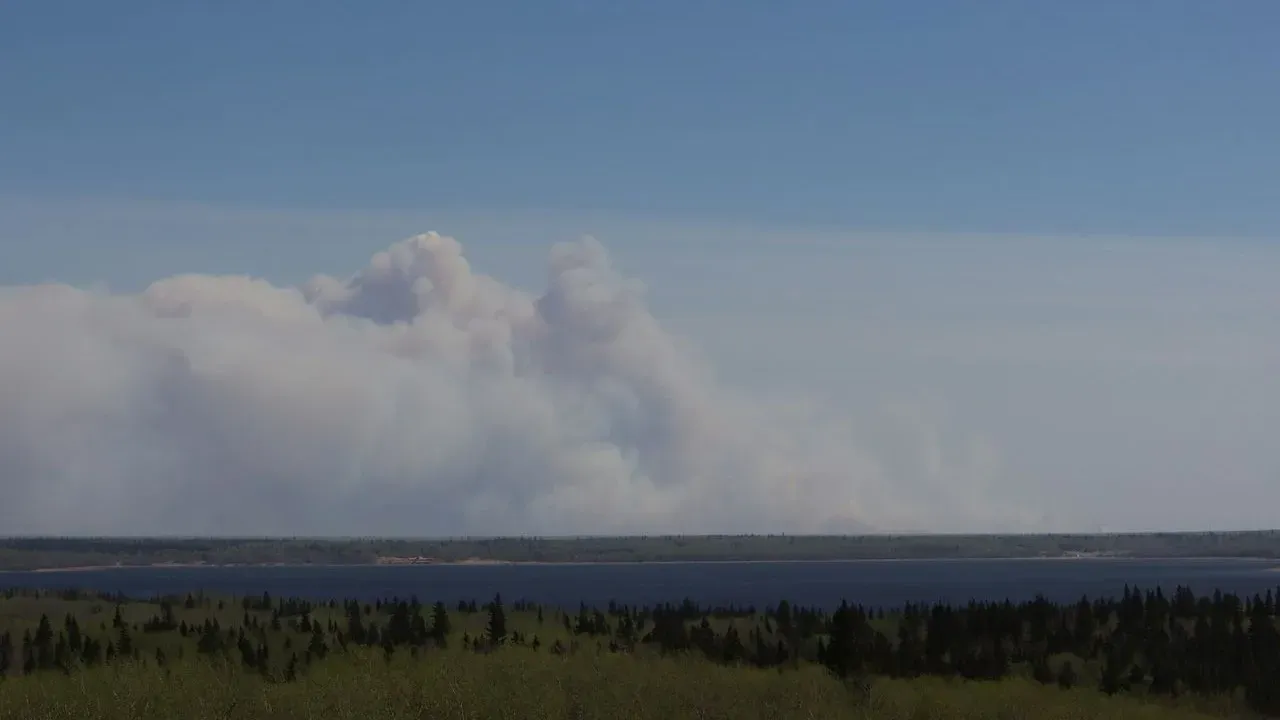

Across parts of the northern United States, hazy skies and lingering odors have turned routine outdoor tasks into health considerations. Gardeners pruning roses or tending vegetable beds now check air-quality apps before stepping outside. The source of the haze lies north of the border, where wildfires continue to burn in Canada. President Donald Trump has stated he is holding Canada responsible for the pollution drifting south.
Air Quality Shifts Daily Routines
Smoke from Canadian fires has reduced visibility and raised fine-particle levels in several states. Residents report scratchy throats and irritated eyes during morning walks or yard work. For those who garden regularly, the change means shorter sessions outdoors and more reliance on indoor starts for seedlings. Local health departments have issued advisories urging people with respiratory conditions to limit time outside until readings improve.
Plants themselves face indirect stress when smoke blocks sunlight for extended periods. Reduced photosynthesis can slow growth in sun-loving crops such as tomatoes and peppers. Homeowners who rely on rainwater collection note that ash sometimes settles on leaves, requiring extra rinsing before harvest. These small adjustments add up for anyone whose livelihood or hobby centers on the outdoors.
Trump Links Pollution to Trade Policy
In remarks this week, the president said Canada must address the fires more aggressively. He indicated that tariffs on certain Canadian goods could rise if the smoke problem persists. The statement ties an environmental issue directly to ongoing trade discussions between the two countries. Officials in Ottawa have not yet issued a detailed public response to the tariff suggestion.
The threat arrives at a time when cross-border commerce already faces scrutiny on multiple fronts. Lumber, energy, and agricultural products rank among the sectors that could feel any new duties. Observers note that linking wildfire management to tariffs introduces a new variable into bilateral relations that both governments have long described as close.
Looking Ahead for Outdoor Communities
Fire seasons in Canada have grown more intense in recent years, sending smoke farther south with greater frequency. Communities along the border now treat seasonal air-quality alerts as a recurring part of summer planning. Garden clubs and extension services have begun sharing tips on protecting sensitive plants and scheduling work around peak smoke hours.
Whether the tariff warning leads to concrete policy changes remains to be seen. In the meantime, the immediate effect for many Americans is a reminder that environmental events rarely respect national lines. People who spend their days among trees, flowers, and soil continue to watch the skies and adjust their schedules accordingly.
AI Disclaimer: This article was created with the assistance of AI tools and reviewed by a human editor.