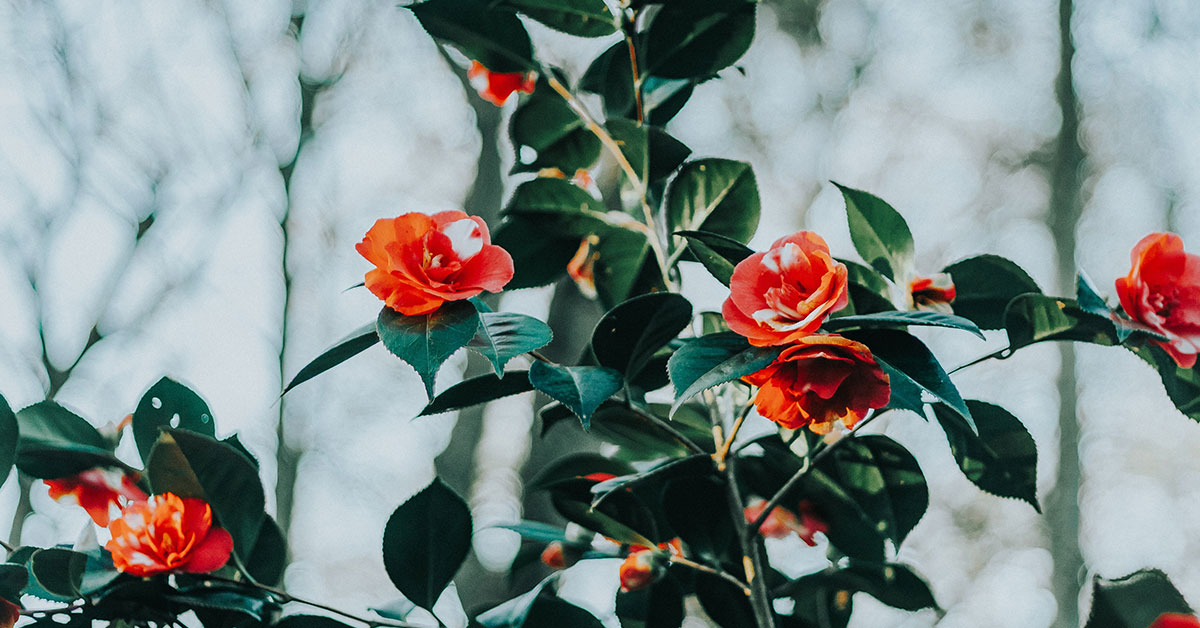

Camellia is a beautiful and popular flowering plant that belongs to the family Theaceae. It is native to East Asia and is widely cultivated for its ornamental value. The plant is known for its exquisite flowers that bloom in shades of pink, white, red, and sometimes yellow.
Camellia is also widely used in tea production, and its leaves have numerous health benefits. In this article, we will explore everything you need to know about the Camellia plant, including its history, cultivation, uses, and maintenance.
What is a Camellia?
Camellia is a beautiful flowering plant that is native to East Asia. It is a member of the Theaceae family and is known for its evergreen foliage and stunning blooms. The plants can grow to be quite large, with some varieties reaching up to 20 feet in height. Camellias are known for their showy flowers, which come in a range of colors, including pink, red, white, and yellow. The blooms are generally large and can be single, semi-double, or double, depending on the variety. The plant is prized for its ornamental value and is a popular choice for gardeners and landscapers alike.
Where is Camellia native?
Camellias are a popular and beautiful flowering plant that is native to Asia. Specifically, they are found in regions such as China, Japan, and Korea. However, they have also been introduced to other parts of the world, including the United States.
Camellias are not native to the United States, but they have been grown in the country for centuries. They were first introduced to the US in the late 1700s, and since then, they have become a popular ornamental plant in many parts of the country.
While camellias are not native to the United States, they have become a beloved and popular plant in many parts of the country. Whether you live in the South or the West, there is a good chance that you can find camellias growing in your local area.
When does Camellia bloom?
The blooming time of Camellias can vary depending on the specific species, as well as factors like climate and growing conditions. Generally, Camellias bloom in late winter to early spring, typically from February to April in the Northern Hemisphere.
However, there are some varieties that bloom in the fall or winter. It’s important to note that this information is based on general observations, and the blooming time can vary in different regions.
How to start this plant from seed
Camellias are beautiful flowering plants that are native to East Asia. They are known for their glossy, dark green leaves and vibrant blooms that come in a variety of colors, including pink, red, and white. While camellias can be grown from cuttings or purchased as established plants, starting camellias from seed can be a rewarding experience for gardeners. In this section, we’ll discuss how to start camellias from seed.
Collecting the Seeds: The first step in starting camellias from seed is to collect the seeds. Camellia seeds are typically found inside the fruit, which looks like a small green ball. The fruit will turn brown and split open when the seeds are ready to be harvested. To collect the seeds, simply remove the fruit from the plant and split it open to reveal the seeds inside.
Preparing the Soil: Once you have collected the seeds, it’s time to prepare the soil. Camellias prefer well-draining soil that is rich in organic matter. You can create your own seed-starting mix by combining equal parts of peat moss, perlite, and vermiculite.
Planting the Seeds: Plant the camellia seeds about 1/2 inch deep in the prepared soil. It’s important to keep the soil moist, but not waterlogged, during the germination process. Cover the container with plastic wrap or a humidity dome to help retain moisture.
Germination: Camellia seeds can take anywhere from one to three months to germinate. During this time, it’s important to keep the soil moist and warm. Once the seeds have germinated, remove the plastic wrap or humidity dome and place the container in a bright, indirect light.
Transplanting: Once the seedlings have two to three true leaves, they can be transplanted into larger containers. Choose a container that is at least 4 inches in diameter and fill it with well-draining soil. Gently remove the seedling from its original container and plant it in the new container, being careful not to damage the roots. Water the plant well and place it in a bright, indirect light.
How to grow this plant in your garden
Camellias are a popular and beautiful flowering plant that can be grown in a variety of different climates and soil types. If you’re interested in growing camellias in your own garden or yard, here are some tips to help you get started:
- Choose the right location: Camellias prefer partial shade or filtered sunlight, so make sure you select a location that is sheltered from intense sunlight and heat. They also prefer well-drained soil that is rich in organic matter.
- Prepare the soil: Before planting your camellias, prepare the soil by adding compost or other organic matter to improve soil structure and fertility. You can also add lime or sulfur to adjust the pH level of the soil if needed.
- Planting: Dig a hole that is twice as wide and deep as the root ball of your camellia. Gently remove the plant from its container and loosen the roots before placing it in the hole. Backfill the hole with soil and water thoroughly.
- Watering: Camellias require regular watering during the growing season, especially during hot and dry weather. Water deeply once a week, or more often if the soil is dry.
- Fertilizing: Camellias benefit from regular fertilization during the growing season. Use a balanced fertilizer that is designed for acid-loving plants, and follow the instructions on the label.
- Pruning: Camellias require minimal pruning, but you can shape them as needed by pruning back any overgrown or damaged branches. Prune after the plant has finished blooming to avoid cutting off next year’s buds.
Interesting facts about Camellia
Camellias are a beautiful flowering plant that are often used in gardens and landscaping. Here are some interesting facts about Camellias that you may not have known:
- Camellias are native to eastern and southern Asia, and are particularly popular in China, Japan, and Korea where they are often used in tea ceremonies.
- There are over 300 species of Camellias, and they come in a wide range of colors, including pink, red, white, and yellow.
- The Camellia is named after a Jesuit priest and botanist named Georg Kamel, who lived in the Philippines in the 17th century.
- Camellias have been cultivated for thousands of years and were prized by the Chinese for their beauty and medicinal properties.
- Camellias are not only beautiful, but they are also tough and resilient. They can survive in a wide range of climates, from hot and humid to cold and dry.
- Camellias have a long blooming season, with some species blooming from late fall to early spring. This makes them a great choice for adding color to your garden during the colder months.
- Camellias are also popular in floral arrangements and are often used in weddings and other special events.
Camellias are a fascinating and beautiful plant with a rich history and many uses. Whether you are a gardener, a tea lover, or simply appreciate their beauty, Camellias are definitely worth learning more about.