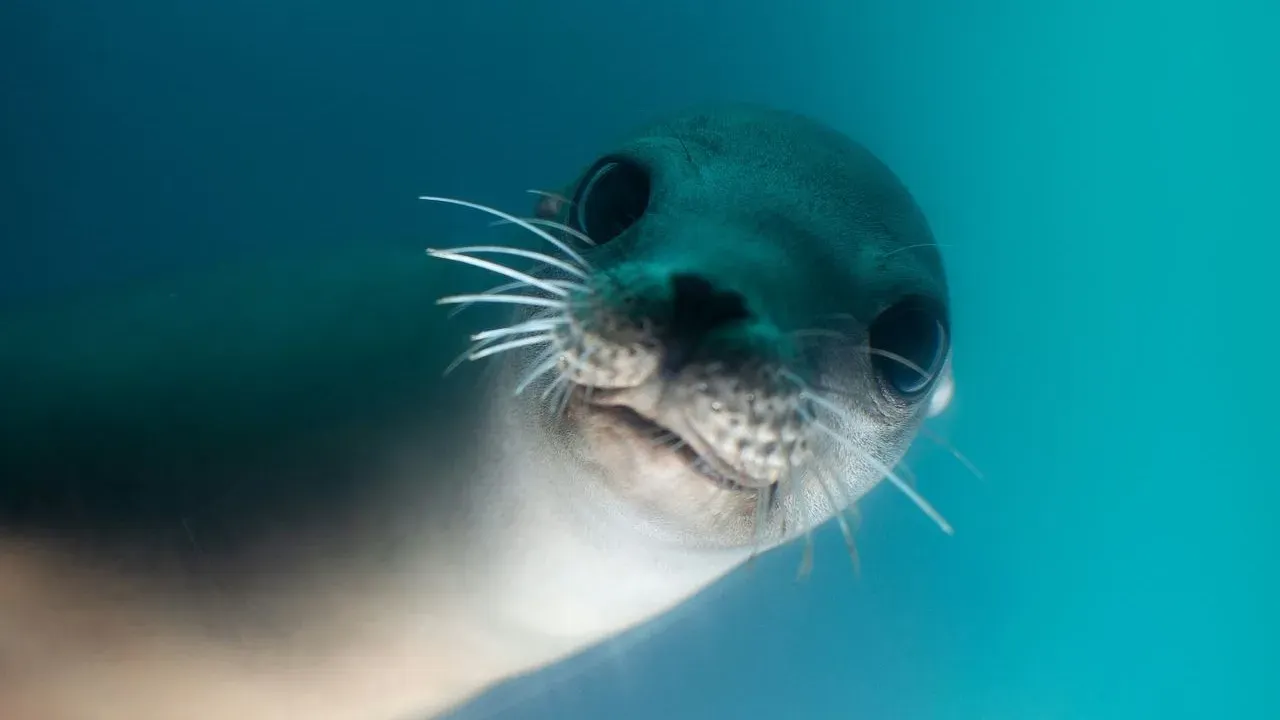

California officials are tracking a noticeable increase in sick and dead sea lions along the Central Coast and Bay Area, tied directly to elevated levels of domoic acid in the marine environment. The development comes as wildlife responders and state agencies monitor the situation closely for any further escalation. Reports indicate the toxin surge is affecting animals across multiple coastal stretches, prompting heightened vigilance from those who track marine mammal health.
Scope of the Reported Cases
The affected areas span key sections of the California shoreline where sea lions commonly haul out and forage. Officials have noted more frequent strandings and visible signs of illness in recent observations. This pattern stands out against typical seasonal variations, drawing attention from marine mammal networks that respond to such events. The Central Coast and Bay Area together represent a significant portion of the state’s coastline where these animals are routinely sighted.
Role of Domoic Acid in the Current Surge
Domoic acid is the specific toxin identified in connection with the illnesses. Its presence in higher concentrations has coincided with the uptick in affected sea lions. State and local authorities have linked the surge in toxicity to the animals’ symptoms and mortality. Monitoring efforts now focus on tracking toxin levels in the water and in prey species that sea lions consume.
Practical Impacts on Wildlife Management
Rescue and rehabilitation groups along the coast face added demands as more animals require intervention. The timeline of the surge remains uncertain, leaving responders to prepare for continued or fluctuating caseloads. Coastal communities and fisheries also have a stake, as marine mammal health can influence public perception and regulatory responses. Officials continue to coordinate data collection to better understand the duration and reach of the current episode.
Next Steps for Monitoring and Response
Agencies are expanding testing and reporting protocols to capture a clearer picture of the outbreak’s progression. Collaboration between state wildlife departments and local stranding networks supports faster identification of new cases. The emphasis remains on factual tracking rather than prediction, given the natural variability of toxin events. Continued observation will help determine when conditions return to baseline levels.
AI Disclaimer: This article was created with the assistance of AI tools and reviewed by a human editor.