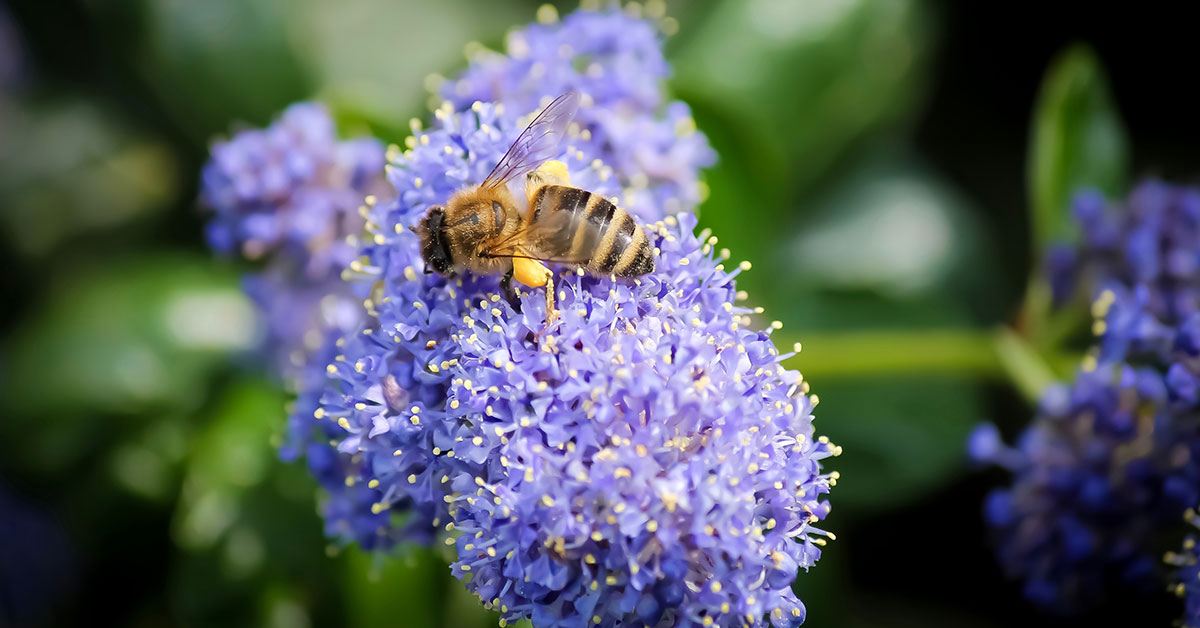

California Lilac is a beautiful and diverse group of shrubs and small trees native to California and the surrounding regions. With its vibrant blue, purple, or white flowers, California Lilac is a popular choice for gardeners and landscapers alike.
In addition to its ornamental value, California Lilac is also an important plant in the ecosystem, providing habitat and food for a variety of wildlife.
We’ll take a closer look at the different types of California Lilac, how to care for them, and some tips for incorporating them into your landscape.
What is a California Lilac?
California Lilac is a beautiful and diverse group of flowering shrubs native to the western United States. These plants are popular among gardeners for their vibrant blue, purple, and white flowers that bloom in the spring and summer.
There are over 50 different species of California Lilac, ranging in size from small groundcovers to large shrubs that can reach up to 20 feet in height. They are also known for their evergreen foliage, which can range from glossy green to gray-green, and their ability to attract pollinators like bees, butterflies, and hummingbirds to the garden.
California Lilacs are also known for their adaptability to different growing conditions. They can thrive in a variety of soil types, from sandy to clay soils, and can tolerate both drought and occasional flooding. They are also well-suited to a range of climates, from coastal to inland regions, making them a popular choice for gardeners in California and beyond.
It is a versatile and beautiful plant that can add color and interest to any garden. Whether you’re looking for a groundcover or a large shrub, a plant that attracts pollinators, or one that can handle a range of growing conditions, there is likely a California Lilac species that will suit your needs.
Where is California Lilac native?
The California Lilac, scientifically known as Ceanothus spp., is a group of about 50-60 species of shrubs and small trees that are primarily found in North America. These plants are known for their beautiful, fragrant flowers and their ability to thrive in a variety of soil types and conditions.
This plant is primarily found in the western United States, including California, Oregon, Washington, and Nevada. They are also found in parts of Canada, including British Columbia. In fact, California Lilacs are so closely associated with California that they are often referred to as the “California State Flower”.
California Lilacs are native to a wide range of habitats, from coastal bluffs to high mountain slopes. They are commonly found in chaparral, coastal sage scrub, and oak woodland habitats. In California, the plants are found in both the coast ranges and the Sierra Nevada mountain range.
This perennial is a beautiful and important part of the natural landscape of the western United States. Their ability to thrive in a variety of conditions makes them an ideal choice for gardeners looking to add a touch of natural beauty to their backyard.
How to start from seed
Starting these plants from seed can be a little tricky, but with the right knowledge and tools, you can successfully grow these beautiful plants in your own garden. Here are some steps you can follow to start California Lilac from seed:
- Collect seeds: The first step is to collect seeds from a mature California Lilac plant. You can do this by waiting until the plant has finished flowering and the seed pods have dried out. Then, gently shake the pods to release the seeds. You can also cut off the seed pods and allow them to dry out for a few weeks, then crush them to release the seeds.
- Prepare soil: California Lilac plants prefer well-draining soil that is rich in organic matter. You can start by mixing equal parts of sand, perlite, and peat moss to create a seed-starting mix. Fill a seed tray with the mix and water it thoroughly.
- Sow seeds: Plant the seeds about 1/4 inch deep in the soil mix, spacing them about 1 inch apart. You can cover the tray with a clear plastic lid or plastic wrap to create a mini-greenhouse effect.
- Provide light and warmth: California Lilac plants need plenty of light to germinate. Place the tray in a warm, bright location, such as a sunny windowsill or under grow lights. Keep the soil moist but not waterlogged.
- Transplant seedlings: After the seeds have germinated and the seedlings have grown their first true leaves, you can transplant them into individual pots filled with potting soil. Keep them in a sunny location and water them regularly. After a few weeks, they should be ready to transplant into your garden.
How to grow
If you’re looking for a beautiful, low-maintenance shrub that will thrive in California’s Mediterranean climate, look no further than the California Lilac. These plants are easy to grow and provide a stunning display of blue, purple, or white flowers in the spring.
Here are some tips on how to grow California Lilac:
- Choose the right location: California Lilac prefers full sun and well-drained soil. Make sure there is good air circulation around the plant to prevent disease.
- Plant at the right time: Plant California Lilac in the fall or early spring when the soil is moist. This will give the plant time to establish its roots before the hot summer months.
- Water regularly: Water the plant deeply once a week during the growing season. Reduce watering in the winter when the plant is dormant.
- Prune carefully: This plant does not require heavy pruning, but you can shape the plant after it has finished blooming. Avoid pruning more than one-third of the plant at a time.
- Fertilize sparingly: California Lilac does not require heavy fertilization. Use a slow-release fertilizer in the spring and fall.
Interesting facts about California Lilac
- There are over 50 species of California lilac, all of which are native to California and the surrounding regions.
- California lilac is not technically a true lilac but is named for its striking blue or purple flowers that resemble those of true lilacs.
- The flowers are not only beautiful but also highly fragrant and attractive to bees and other pollinators.
- It is a hardy and drought-tolerant plant that can thrive in a variety of conditions, from coastal areas to mountain slopes.
- California lilac has a long history of traditional medicinal use by Native American tribes, who used it to treat a variety of ailments, including coughs, sore throats, and skin conditions.
- In addition to its medicinal properties, this plant has also been used for centuries by indigenous peoples for basket weaving and other crafts.
- California lilac is an important plant in the ecology of California, providing food and habitat for a variety of native wildlife species, including birds, insects, and small mammals.
- Some species of California lilac are endangered or threatened, due to habitat loss and other environmental factors, making their preservation and conservation a priority for environmental organizations and government agencies.