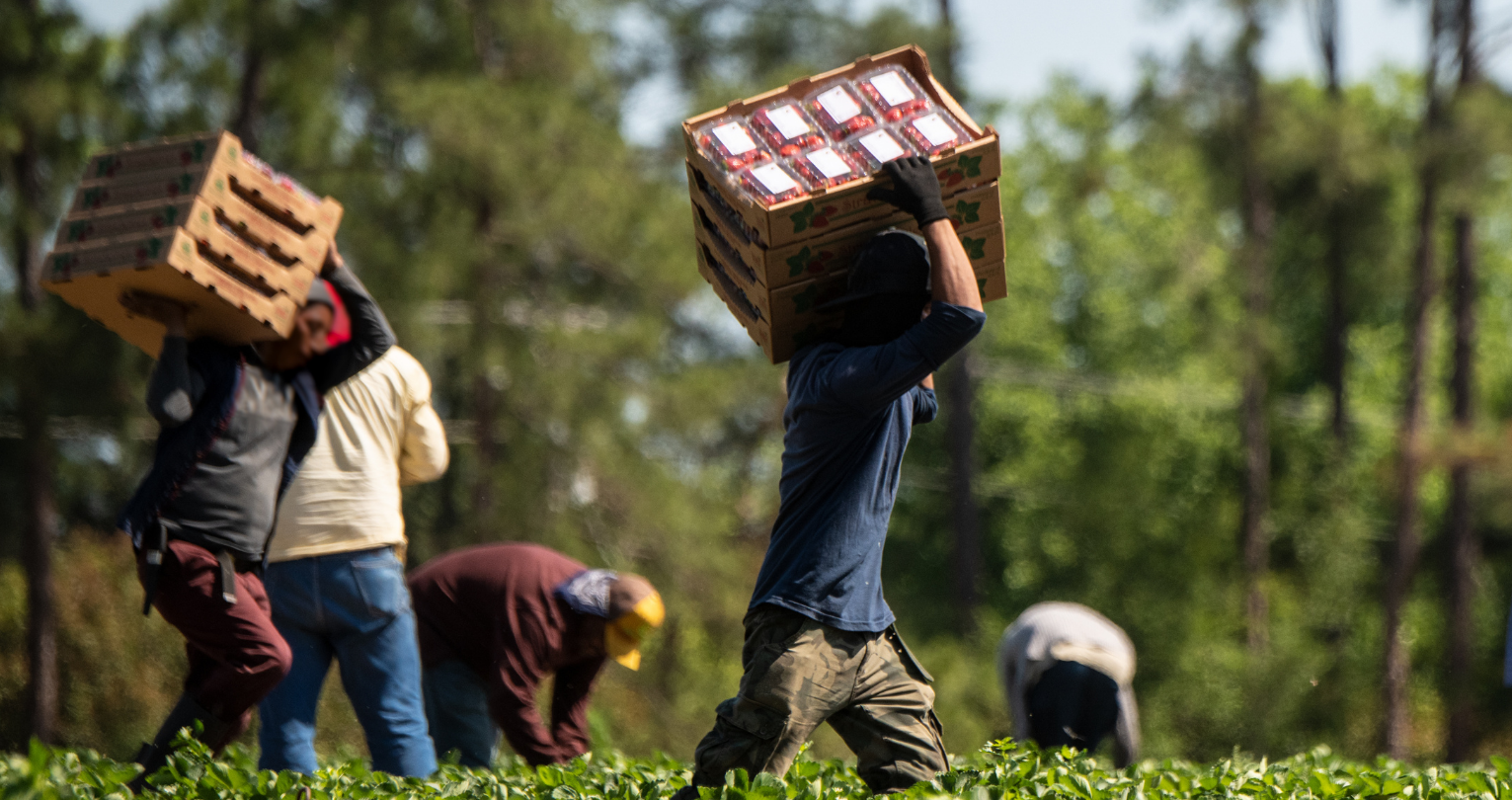

A new econometric study has revealed just how costly aggressive immigration enforcement can be to America’s food system – and your bottom line.
Researchers examined the aftermath of Immigration and Customs Enforcement (ICE) raids in Oxnard, California, one of the country’s most productive agricultural regions. What they found is stunning: farm labor in the area dropped by 20 to 40 percent, resulting in an estimated 3 to 7 billion dollars in crop losses and a 5 to 12 percent increase in produce prices. The findings paint a vivid picture of how deeply immigration policy affects not only workers but also the price of food on everyone’s table.
When Labor Vanishes, the System Cracks
Oxnard is known for its high-intensity crops like strawberries and leafy greens, which require careful hand-harvesting. When a significant portion of those workers disappeared overnight due to ICE enforcement actions, fields went unpicked. Farmers reported berries rotting in the sun, produce left in rows, and trucks sitting idle because there were simply not enough hands to keep operations running.
This loss of labor did not just hurt the workers targeted. It reverberated through the entire local economy. Farm owners lost revenue. Packers and transport companies slowed production. Retailers faced tighter supply. Even local diners and grocery stores saw less business as fear and financial strain rippled outward.
How It Affects You
You might not live in California, but you are connected to its fields every time you shop for produce. The state supplies roughly a third of all vegetables and two-thirds of the fruits and nuts grown in the United States. When Oxnard’s production falls, prices rise everywhere. That 5 to 12 percent jump in produce prices might sound modest, but across a national supply chain, it adds up fast.
Families already stretched by inflation feel the squeeze most. Fresh produce becomes less affordable, and cheaper, processed alternatives start to look more appealing. This is how a local labor crisis can quietly worsen national health and nutrition trends.
Beyond economics, the raids deepen fear in immigrant communities. Workers disappear not just through deportation but through self-removal: people staying home, avoiding public spaces, or leaving the region entirely to avoid arrest. Businesses lose reliable labor, and communities lose stability.
Farmers, meanwhile, face impossible decisions. They cannot harvest crops without workers, yet replacing that workforce is not simple. Few U.S.-born workers are willing to take on the low-paying, physically demanding jobs that fuel the produce industry. Mechanization offers some relief for large farms, but most specialty crops like strawberries, asparagus, and lettuce still rely on handpicking.
The Bigger Policy Picture
The Oxnard case exposes a fundamental contradiction in U.S. policy. The country relies heavily on immigrant labor to keep food affordable, yet its enforcement practices make that labor pool unstable. The study suggests a need for structural reforms that balance border control with economic reality.
Experts recommend several approaches that could stabilize the system:
- Expand H-2A guest worker programs to allow for more seasonal labor in agriculture.
- Create legal pathways to citizenship for long-term undocumented workers who form the backbone of U.S. farming.
- Invest in fair labor protections and improved working conditions to make agricultural work more sustainable.
- Support technology and mechanization where feasible, while offering financial aid to smaller farms adapting to these changes.
Each of these solutions requires political will and investment, but together they could prevent future shocks that hurt workers, farmers, and consumers alike.
What You Can Do
You may not have control over federal policy, but you can influence how your community and your wallet respond to these disruptions.
- Support local farms and cooperatives that offer fair labor conditions and stable sourcing.
- Buy seasonal produce grown closer to home to reduce reliance on volatile national supply chains.
- Advocate for humane and sensible immigration reform that recognizes agricultural labor as essential infrastructure.
- Stay informed and share accurate information about how immigration policy affects food security and prices.
Even small actions, like choosing local produce or supporting labor-friendly brands, can help build resilience into the food system.
The Takeaway
The ICE raids in Oxnard show what happens when policy ignores interdependence. America’s agricultural system is not isolated from immigration, labor, or community well-being. When workers are removed en masse, crops rot, prices rise, and families everywhere pay the price.
Protecting food security requires protecting the people who make it possible. Whether through expanded visa programs, fair labor protections, or community advocacy, the path forward lies in recognizing that farmworkers are not a threat to the system—they are the system.