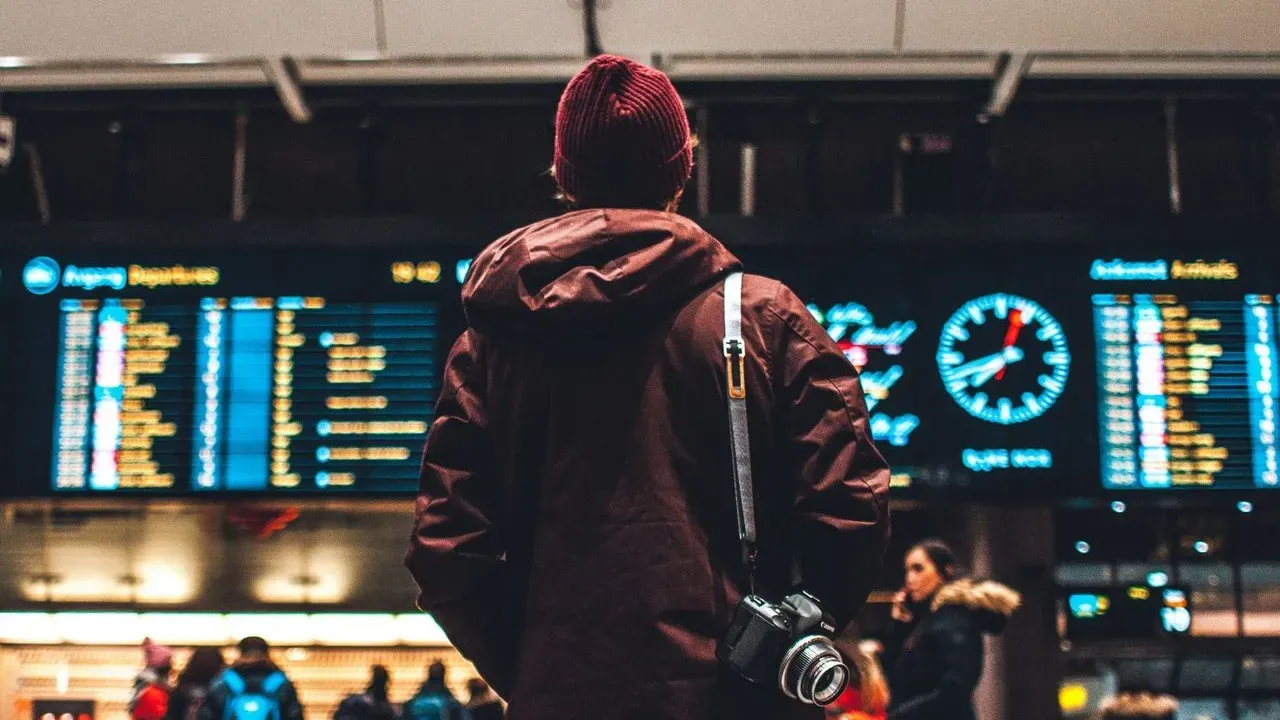

California airports are moving to reopen parts of terminals to non-travelers, a practice sharply curtailed nationwide after the September 11 attacks. Ontario International, San Diego International, Palm Springs International and San Francisco International already run programs that let approved visitors pass through security checkpoints. The shift marks a measured return to pre-2001 norms at a handful of facilities while most U.S. airports maintain the stricter rules.
Security Rules Tightened After 2001
For more than two decades, federal policy kept friends, family members and other non-passengers on the public side of TSA checkpoints at nearly every commercial airport. The restriction stemmed directly from the 2001 attacks and the subsequent overhaul of aviation security. Airports across the country removed seating areas, restaurants and observation decks from the secure zone to limit access. The change reduced opportunities for unauthorized individuals to reach aircraft or sensitive areas. Most facilities have operated under those constraints ever since.
Four California Airports Lead the Way
Ontario International Airport, San Diego International Airport, Palm Springs International Airport and San Francisco International Airport now permit limited non-passenger entry past security under controlled programs. These facilities give California a leading position in testing the approach. Each program requires screening and approval processes that align with current TSA standards. Visitors gain access for specific purposes such as accompanying departing passengers or greeting arriving travelers. The airports report that the measures operate without altering overall security protocols.
What the Change Means for Travelers
Families can once again meet relatives at the gate or share a final meal before a flight departs. Business travelers may find it easier to coordinate with colleagues who are not flying. The convenience comes with continued requirements for identification and screening that match those applied to passengers. Airports say the programs have been designed to preserve the layered security system now in place. No broad rollback of checkpoints or screening procedures is involved. Travelers should check each airport’s website for current eligibility rules and any advance registration steps.
Looking Ahead at Airport Access
Other facilities are watching the California examples as they weigh similar adjustments. The programs remain limited in scope and subject to ongoing federal oversight. The developments reflect a gradual recalibration of security practices more than two decades after the original restrictions took effect. Airports continue to balance passenger convenience with the need to maintain robust protections.
AI Disclaimer: This article was created with the assistance of AI tools and reviewed by a human editor.