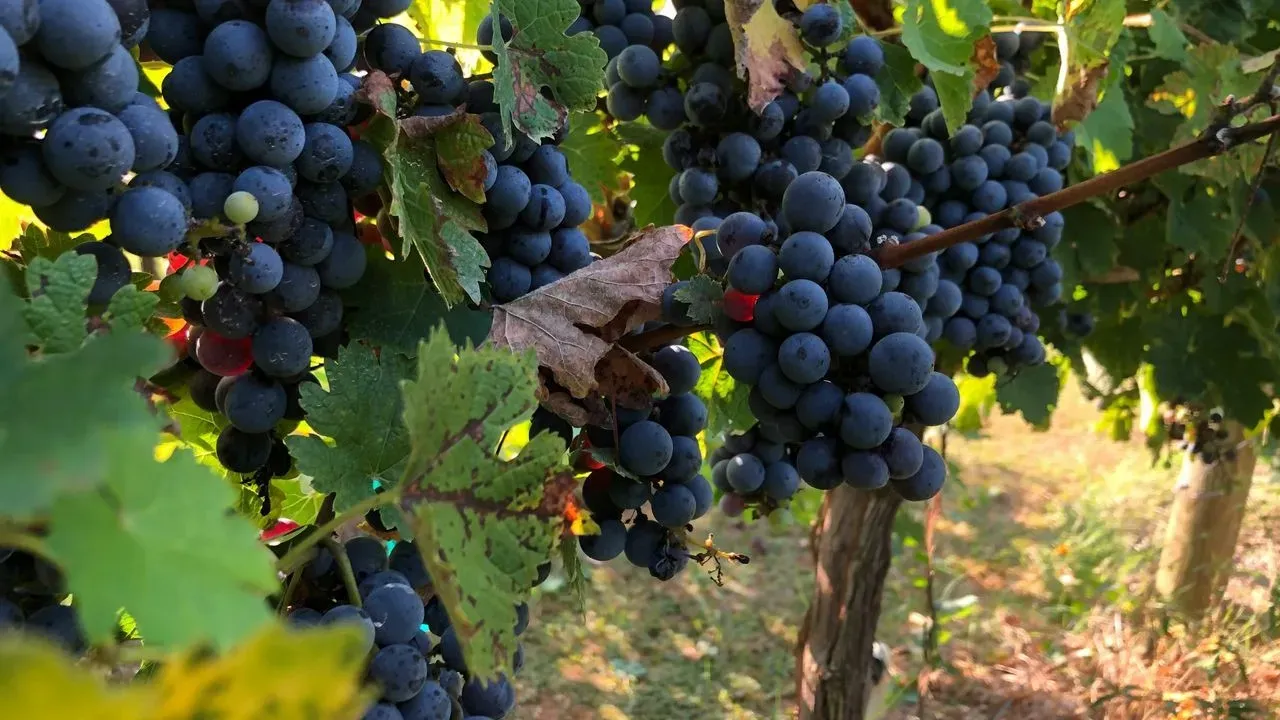

Cabernet Sauvignon remains the most widely planted red grape variety across the globe and the leading red varietal wine sold in the United States. Yet recent trends show it slipping in consumer preference. The contrast raises questions for growers, producers, and retailers who have long relied on its consistent demand. ([1])
Scale of Production and Market Position
Vineyard plantings of Cabernet Sauvignon exceed those of any other red grape. This dominance stems from its adaptability to varied climates and soils, along with reliable yields that support large-scale commercial operations. In the United States the variety accounts for the largest share of red wine sales by varietal label. Growers in California, Washington, and other regions have expanded acreage over decades to meet steady demand. The grape’s thick skins and structured tannins also make it suitable for aging and blending, which adds flexibility for wineries. These traits have kept Cabernet at the center of many portfolios even as overall wine consumption patterns shift.
Changing Consumer Choices
Drinkers increasingly explore lighter reds, alternative varieties, and wines with lower alcohol levels. Cabernet Sauvignon, known for its full body and bold profile, faces competition from grapes that align with preferences for easier drinking styles. Retail data and restaurant lists reflect this gradual pivot toward options perceived as more versatile with food or casual occasions. Businesses that built inventory around Cabernet now monitor slower movement in certain channels. Importers and domestic producers alike report the need to adjust allocations and marketing approaches. The shift does not eliminate the variety’s core audience, but it narrows the margin for error in production planning and pricing.
Business and Industry Effects
Wineries dependent on Cabernet face decisions about replanting, pricing tiers, and brand positioning. Larger estates may absorb slower sales through volume in other labels, while smaller operations feel the pressure more directly. Distributors and merchants adjust shelf space and promotional budgets accordingly. The pattern echoes broader industry adjustments seen when consumer tastes evolve. Regions that invested heavily in Cabernet acreage must weigh long-term vineyard economics against shorter-term demand signals. Trade groups and analysts track these movements to guide future planting decisions and export strategies.
Outlook for Growers and Producers
Continued global plantings suggest confidence in Cabernet’s fundamental strengths remains. At the same time, producers are testing adjustments in winemaking style and labeling to retain relevance. Some emphasize regional character or food-pairing versatility to counter perceptions of uniformity. The variety’s established infrastructure and name recognition provide a buffer that newer grapes lack. Still, sustained attention to evolving preferences will determine whether current plantings continue to translate into strong sales. The coming seasons will show how effectively the industry responds to this measured pullback in favor.
AI Disclaimer: This article was created with the assistance of AI tools and reviewed by a human editor.