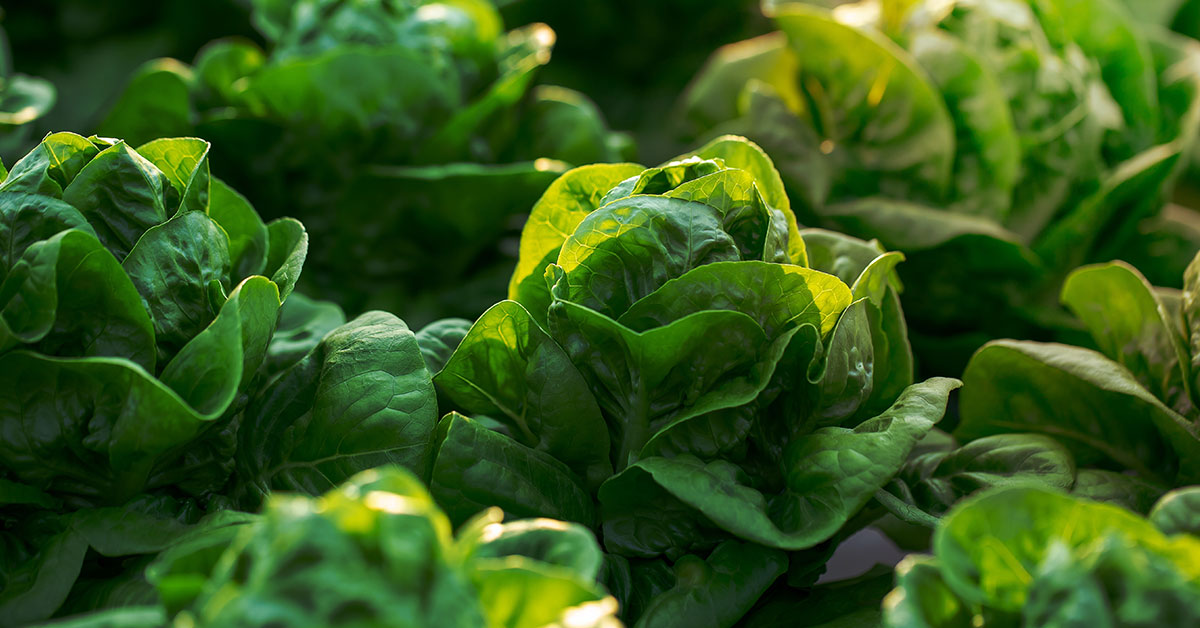

Butterhead lettuce, known for its tender leaves and delicate flavor, has long been a favorite among gardeners and salad lovers alike. With its ability to thrive in a range of climates and the simplicity of its cultivation process, butterhead lettuce is an excellent choice for both experienced and novice gardeners.
This article takes you through the journey of growing butterhead lettuce, providing insights into what the plant is, its taste profile, seed-starting methods, growing and caring techniques, and harvesting guidelines.
What is Butterhead Lettuce?
Butterhead lettuce, scientifically known as Lactuca sativa, is a popular variety of lettuce known for its loose, round heads of soft, supple leaves. Unlike crisphead lettuce varieties such as iceberg, butterhead lettuce leaves are not tightly packed but form a loose rosette that looks somewhat like an open rose. This type of lettuce is popular in salads and sandwiches, as well as in other dishes where a light, sweet lettuce is desired.
What Does Butterhead Lettuce Taste Like?
As its name suggests, butterhead lettuce has a slightly buttery taste and a smooth, melt-in-your-mouth texture. Its leaves are tender, with a mild flavor that pairs well with a wide variety of foods. The taste is generally sweeter and less bitter than other lettuce types, making it a crowd-pleaser in salads and a perfect complement to stronger-flavored ingredients.
How to Start Butterhead Lettuce Seeds
Starting butterhead lettuce from seeds is a straightforward process. Here’s how you do it:
- Timing: You can start seeds indoors about 4-6 weeks before the last spring frost. Alternatively, you can sow them directly outdoors as soon as the soil can be worked.
- Planting: Sow the seeds shallowly, about 1/4 inch deep, in a seed-starting mix. Space them at least one inch apart to give them room to grow.
- Light and Temperature: Keep the seeds in a warm, well-lit location. A sunny window or under grow lights would work well. Lettuce seeds generally germinate best at temperatures between 55-75°F.
- Watering: Water gently but thoroughly after planting, and keep the soil evenly moist until seedlings emerge.
- Transplanting: If started indoors, you can transplant the seedlings outside when they have a couple of true leaves and when outdoor temperatures are reliably above 40°F.
Growing & Care Guide
Once your lettuce seedlings are planted, here’s how you care for them:
Location: Butterhead lettuce does well in full sun in cooler climates but prefers some shade in hotter areas. The site should have rich, well-drained soil.
Spacing: Space the plants about 6-8 inches apart. This gives them enough room to form heads.
Watering: Lettuce is made up mostly of water, so it needs consistent moisture to grow well. Water regularly, but avoid waterlogging the soil.
Fertilizing: Lettuce benefits from the nutrients in compost and well-rotted manure. You can also feed with a balanced vegetable fertilizer according to the package directions.
Mulching: A layer of mulch can help to retain moisture, suppress weeds, and keep the leaves clean.
Common problems
Growing butterhead lettuce is generally a straightforward process, but like any plant, it can encounter certain issues. Here are some of the most common problems you might face when growing butterhead lettuce:
- Bolting: This is when the lettuce plant rapidly sends up a flower stalk and goes to seed, usually due to high temperatures or drought. The leaves often turn bitter when this happens. You can prevent bolting by providing consistent moisture, using mulch to keep the roots cool, or choosing bolt-resistant varieties.
- Tipburn: This is a common issue where the leaf edges turn brown and die. It’s usually due to uneven watering or a lack of calcium in the soil. Make sure to water your lettuce consistently and test your soil to ensure it has adequate nutrients.
- Pests: Lettuce can be affected by several pests, including aphids, slugs, and snails. Aphids can be washed off with a strong spray of water, while slugs and snails can be hand-picked or deterred with barriers or bait.
- Diseases: Various diseases can affect lettuce, including fungal diseases like downy mildew, which causes yellow spots on the upper leaf surface and a downy fungus on the underside. Good air circulation, avoiding overhead watering, and proper crop rotation can help prevent many fungal diseases.
- Poor or Slow Growth: If your lettuce is growing poorly or slowly, it may be due to inadequate sunlight, poor soil fertility, or improper watering. Make sure your lettuce gets at least 4-6 hours of sunlight daily, plant in rich, well-draining soil, and keep the soil consistently moist.
By keeping an eye out for these issues and addressing them promptly, you can ensure a healthy and productive butterhead lettuce crop.
When to Harvest Butterhead Lettuce
Harvesting butterhead lettuce is usually a matter of personal preference and the size of the lettuce heads you desire.
- You can start harvesting as soon as the leaves are large enough to use, typically within 30-35 days for baby leaves.
- For full heads, it’s usually around 55-75 days from planting. Harvest when the heads are full but before they start to bolt, or send up a flower stalk, which is a sign that the plant is preparing to set seed and the leaves may turn bitter.
To harvest, you can simply cut the whole head at the base, or pick outer leaves as needed, allowing the center to continue producing.
In conclusion, butterhead lettuce is a simple, quick, and rewarding crop to grow in your garden. Its tender, flavorful leaves can elevate your salads and sandwiches, and the joy of harvesting your home-grown lettuce is hard to beat. Happy gardening!