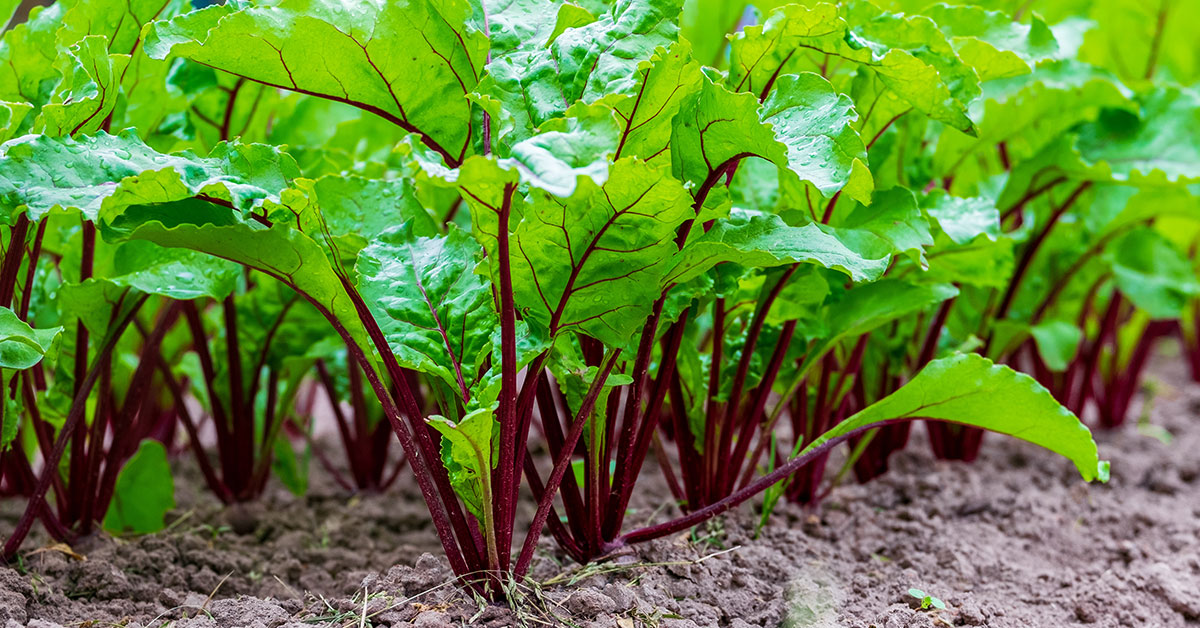

Bull’s Blood beet is an intriguing and versatile vegetable that has been gaining popularity among gardeners and food enthusiasts alike.
With its deep reddish-purple leaves and vibrant, earthy flavor, this heirloom variety of beet is not only visually stunning but also a great addition to any garden or plate.
We will discuss the art of growing Bull’s Blood beets, covering everything from seed selection and soil preparation to proper care and harvesting techniques.
What is a Bull’s Blood Beet?
Bull’s Blood Beet, scientifically known as Beta vulgaris, is a heritage variety that has been cultivated for centuries. It is believed to have originated in the Mediterranean region and has since grown in various parts of the world. The name “Bull’s Blood” refers to the beet’s deep red color, resembling the color of a bull’s blood.
What sets Bull’s Blood Beet apart from other beet varieties is its unique foliage. The plant’s leaves are not only edible but also highly attractive, with a rich, dark red color that intensifies as the plant matures. The vibrant hues of the leaves make it an excellent choice for ornamental purposes as well, adding a pop of color to gardens or culinary presentations.
While the roots of Bull’s Blood Beet can be cooked and consumed like traditional beets, it is the leaves that truly steal the show. The young leaves are tender and have a mild, earthy flavor, making them a perfect addition to salads or used as a garnish. As the leaves mature, they develop a slightly stronger taste, which is still enjoyable when sautéed or added to stir-fries. The vibrant red color of the leaves also provides an exciting contrast in various dishes.
Like other varieties of beets, Bull’s Blood Beet is a nutritional powerhouse. It is an excellent source of dietary fiber, vitamins A and C, iron, and potassium. These nutrients contribute to overall health and are known to support healthy digestion, improve immune function, and promote heart health.
What does Bull’s Blood Beet taste like?
When it comes to unique and flavorful vegetables, the Bull’s Blood beet truly stands out. With its deep burgundy leaves and vibrant red roots, this variety of beet is not only visually stunning but also packed with a distinctive taste that sets it apart from other beet varieties.
The taste of Bull’s Blood beet is often described as earthy and slightly sweet. Unlike some beets that can have a strong, overpowering flavor, Bull’s Blood beet offers a milder and more balanced taste. The earthiness is reminiscent of the soil it grows in, giving it a grounding and natural flavor profile.
One of the reasons why Bull’s Blood beet is loved by many is its subtle sweetness. The sweetness is not overpowering but provides a pleasant contrast to the earthiness, making it a versatile ingredient for both savory and sweet dishes. The sweetness becomes more pronounced when the beets are cooked, which enhances their natural flavors.
Additionally, Bull’s Blood beet leaves are edible and also offer a unique taste. The leaves have a slightly bitter and peppery flavor, similar to arugula or spinach. This adds an extra layer of complexity to the overall taste of the Bull’s Blood beet, providing a range of flavors to explore in your culinary adventures.
Whether you enjoy it raw in salads, roasted as a side dish, or incorporated into soups and stews, the Bull’s Blood beet is sure to add a burst of flavor to your meals. Its distinct taste, combined with its stunning appearance, makes it a favorite among both home cooks and professional chefs.
Next time you come across Bull’s Blood beets at your local market or in your garden, be sure to give them a try. Experiment with different cooking methods and flavor combinations to fully appreciate the unique taste of these delightful beets. From their earthy sweetness to their slightly bitter leaves, Bull’s Blood beets are a true culinary treasure that can elevate any dish.
How to start from seed
Starting Bull’s Blood Beet from seed is a rewarding and relatively simple process. By following a few steps, you can successfully grow these vibrant and delicious beets in your own garden. Here’s a step-by-step guide to help you get started:
- Choosing the Right Seeds: When selecting Bull’s Blood Beet seeds, opt for high-quality seeds from a reputable supplier or garden center. Look for seeds that are fresh and viable to ensure the best germination rates.
- Preparing the Soil: Bull’s Blood Beets thrive in well-draining soil with a pH level between 6.0 and 7.0. Before sowing the seeds, prepare the soil by loosening it with a garden fork or tiller. Remove any weeds or debris and amend the soil with organic matter such as compost or well-rotted manure to improve its fertility.
- Sowing the Seeds: Bull’s Blood Beet seeds can be directly sown into the garden bed or started indoors and then transplanted. If you choose to start indoors, fill seed trays or pots with a seed-starting mix. Sow the seeds about half an inch deep, spacing them 2 to 3 inches apart. Water the seeds gently to ensure they are evenly moist.
- Providing Optimal Growing Conditions: Bull’s Blood Beets prefer full sun exposure, so select a location in your garden that receives at least 6 to 8 hours of sunlight per day. Ensure the soil remains consistently moist but not waterlogged. Regularly monitor the moisture levels and water as needed.
- Thinning the Seedlings: Once the seedlings have emerged and developed their first set of true leaves, it’s time to thin them out. Thin the seedlings to a spacing of 4 to 6 inches apart to allow enough room for each plant to grow and develop.
- Caring for the Seedlings: As the Bull’s Blood Beet seedlings continue to grow, provide them with proper care. Regularly weed the area around the plants to minimize competition for nutrients and water. Apply a layer of organic mulch to help retain moisture and prevent weed growth. Additionally, consider using a balanced organic fertilizer according to the package instructions to provide the plants with essential nutrients.
- Harvesting Bull’s Blood Beets: Bull’s Blood Beets are typically ready for harvest around 50 to 60 days after planting. The beets can be harvested when they reach a desired size, usually around 1 to 2 inches in diameter. Gently loosen the soil around the beet and pull it out, taking care not to damage the foliage. Both the leaves and roots of Bull’s Blood Beets are edible, making them a versatile addition to your meals.
How to grow this plant in your garden
Bull’s Blood Beet is a unique and visually striking variety of beets that not only adds a pop of color to your garden but also offers a deliciously earthy flavor. These instructions will guide you through the step-by-step process of growing Bull’s Blood Beet successfully.
- Choosing the Right Location:
Bull’s Blood Beet thrives in full sun but can also tolerate partial shade. Ensure that the chosen location has well-draining soil, as beets do not like to sit in waterlogged conditions. If your soil is heavy clay, consider adding organic matter like compost or aged manure to improve its drainage and fertility. - Preparing the Soil:
Before sowing Bull’s Blood Beet seeds, it is essential to prepare the soil properly. Start by removing any weeds or debris from the planting area. Then, loosen the soil using a garden fork or tiller, ensuring it is free from clumps. Incorporate organic matter into the soil to improve its texture and nutrient content. Aim for a pH level between 6.0 and 7.5, which is optimal for beet growth. - Sowing the Seeds:
Bull’s Blood Beet seeds can be sown directly into the garden bed. Make furrows about 1 inch deep and 12 inches apart. Sow the seeds thinly, around 1 inch apart, and cover them with soil. Lightly water the area to ensure good seed-to-soil contact. If you prefer, you can also start seeds indoors 4-6 weeks before the last frost date and transplant them into the garden once the soil has warmed up. - Watering and Maintenance:
Keep the soil consistently moist throughout the growing season to promote healthy beet development. Avoid overwatering, as it can lead to rotting of the roots. As the seedlings emerge and grow, thin them to ensure they are spaced around 3-4 inches apart. This allows each beet to have enough room to develop into full-size roots. Regularly check for weeds and remove them promptly to prevent competition for nutrients and water. - Fertilization:
Beets are relatively light feeders, but a balanced fertilizer application can help improve their growth. Apply a high-quality, slow-release fertilizer or side-dress the plants with compost or well-rotted manure around three weeks after sowing. Avoid excessive nitrogen fertilizers, as they can promote foliage growth at the expense of root development. - Harvesting Bull’s Blood Beet:
Bull’s Blood Beet is typically ready for harvest around 55-65 days after sowing, depending on the desired size. You can start harvesting baby beets when they are about 1-2 inches in diameter or wait until they reach full maturity at around 3-4 inches. Gently pull the beets out of the ground, being careful not to damage the roots. Remember to harvest the beet greens too, as they are nutritious and delicious.
Growing Bull’s Blood Beet can be a rewarding experience, whether you’re a seasoned gardener or a beginner. You’ll be able to enjoy a bountiful harvest of vibrant, flavorful beets that will add beauty and taste to your culinary creations.