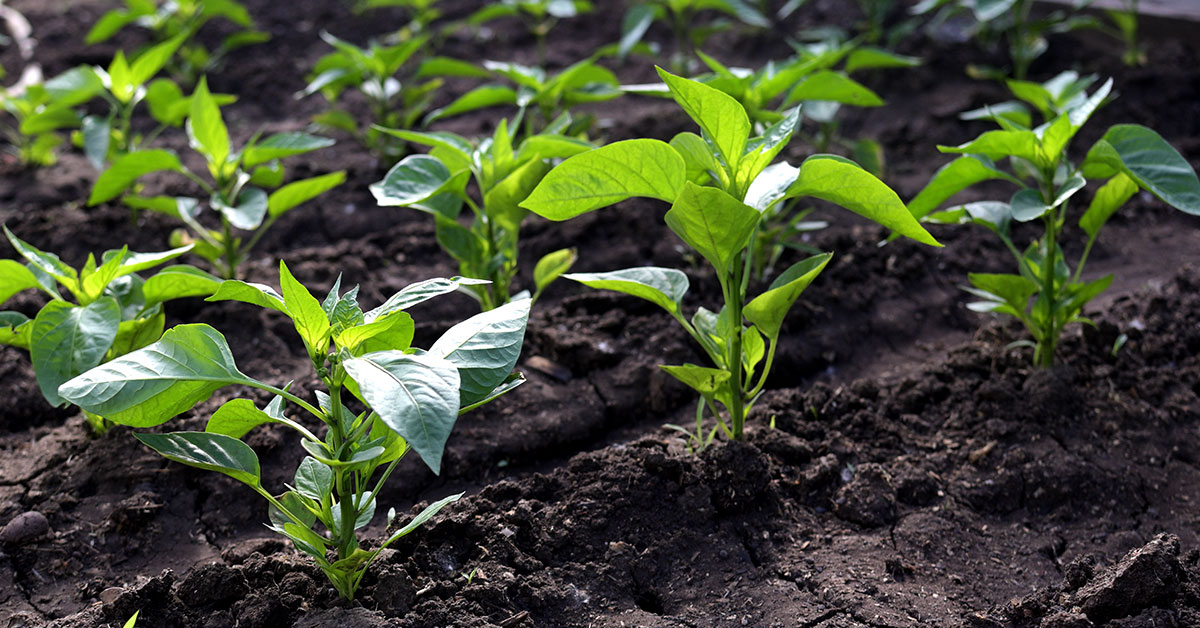

Bulgarian Carrot peppers are a unique and flavorful variety of pepper that is gaining popularity among pepper enthusiasts around the world.
Known for its bright orange color and elongated, carrot-like shape, this pepper packs a punch with its spicy heat level.
Originally from Bulgaria, this pepper has made its way into gardens and kitchens worldwide, and for good reason. We will explore the history, characteristics, and growing tips for the Bulgarian Carrot pepper plant.
Whether you are a seasoned gardener or a novice, you will find this pepper to be a delightful addition to your garden and your palette.
What are Bulgarian Carrot peppers?
Bulgarian Carrot peppers are a type of pepper that is popular for its unique shape and intense spice level. This pepper is a bright orange color, which resembles a carrot, and it has a heat level that ranges from medium to hot. The Bulgarian Carrot pepper plant is a member of the Capsicum annuum family, which includes other popular peppers like jalapenos and bell peppers.
Bulgarian Carrot peppers are a relatively small plant, growing to about 2-3 feet tall, and it produces a high yield of peppers. The peppers themselves are about 3-4 inches long and 1 inch wide, with a tapered shape that ends in a point. They are typically harvested when they are fully matured, which is when they have turned a vibrant orange color.
What sets the Bulgarian Carrot pepper plant apart from other hot pepper plants is its unique flavor profile. It has a fruity and slightly sweet taste that is followed by a strong heat that lingers on the tongue. This combination of flavor and heat makes it a popular choice for hot sauce makers and those who enjoy spicy foods.
Overall, the Bulgarian Carrot pepper plant is a fascinating and flavorful addition to any garden or spice collection. It’s unique appearance and intense heat level make it a standout among other pepper plants.
What do Bulgarian Carrot peppers taste like?
The Bulgarian Carrot pepper plant is a unique and flavorful pepper that is sure to add some spice and heat to any dish. The flavor of the Bulgarian Carrot pepper plant is often described as being similar to a Habanero pepper, with a sweet and fruity taste that is followed by a fiery kick of heat.
The heat of the Bulgarian Carrot peppers can vary depending on the maturity of the pepper, with younger peppers being milder and more sweet, and mature peppers being hotter and more pungent. When fully ripe, the Bulgarian Carrot pepper can reach a Scoville rating of up to 50,000, making it a popular choice for those who love spicy foods.
Despite its intense heat, the Bulgarian Carrot pepper is also known for its complex and layered flavor profile. This pepper has a unique smoky and earthy undertone that adds depth and complexity to any dish. It can be used fresh in salads or salsas, or dried and ground into a spicy powder for seasoning meats, vegetables, and soups.
If you are a fan of spicy food and are looking for a pepper that packs a powerful punch of heat and flavor, Bulgarian Carrot peppers are definitely worth trying. With its sweet and fruity taste, complex flavor profile, and fiery heat, this pepper is sure to become a staple in your spice cabinet.
How to start Bulgarian Carrot peppers from seeds
Growing your own Bulgarian Carrot pepper plant from seed is a rewarding and satisfying experience. Here are some easy steps to get you started:
- Choose the right time: Bulgarian Carrot pepper plants are warm-weather plants, so it’s important to plant the seeds when the soil temperature is at least 65°F (18°C). This usually happens in late spring or early summer.
- Choose the right location: Bulgarian Carrot pepper plants need full sun exposure for at least 6 hours a day. Make sure you choose a location that gets plenty of sunlight.
- Choose the right soil: Bulgarian Carrot pepper plants prefer well-draining soil that is rich in organic matter. Add some compost or aged manure to the soil before planting.
- Plant the seeds: Plant the seeds about ¼ inch deep in the soil, and space them about 2 inches apart. Water the soil lightly.
- Provide the right conditions: Keep the soil moist but not waterlogged. You can cover the seeds with plastic wrap or a dome to help retain moisture.
- Wait for germination: Bulgarian Carrot pepper seeds usually take 7-10 days to germinate. Once the seedlings emerge, remove the plastic cover and place them in a sunny spot.
- Transplanting: When the seedlings have grown to about 3-4 inches tall, it’s time to transplant them to their final location. Choose a spot with good drainage and plenty of sunlight.
How to Grow Bulgarian Carrot Pepper Plant
Bulgarian Carrot Peppers are a popular variety of hot pepper that is known for its bright orange color and spicy flavor. If you’re interested in growing these peppers in your garden, here are some steps to follow:
- Choose a Sunny Location: Bulgarian Carrot Peppers require at least 6 hours of direct sunlight daily. Choose a spot in your garden that receives the most sun exposure.
- Prepare the Soil: The soil should be well-draining and rich in organic matter. Mix compost, aged manure, or other organic materials into the soil to improve its quality.
- Plant the Seeds: Bulgarian Carrot Pepper Plant seeds can be started indoors or sown directly into the ground after the last frost of the season. Plant the seeds about ¼ inch deep and 2 inches apart. Cover the seeds with soil and water them gently.
- Water Regularly: Bulgarian Carrot Pepper Plants need regular watering to thrive. Water them deeply once a week, or more often if the soil dries out quickly.
- Fertilize: Fertilize Bulgarian Carrot Pepper Plants with a balanced fertilizer every 4-6 weeks. This will help promote healthy growth and fruit production.
- Control Pests: Aphids, spider mites, and other pests can damage Bulgarian Carrot Peppers. Use organic pest control methods to keep them under control.
- Harvesting: Bulgarian Carrot Pepper Plants will produce peppers within 70-80 days. Harvest the peppers when they turn bright orange and are about 3-4 inches long. Use a sharp knife or shears to cut the peppers from the plant.
By following these steps, you can easily grow Bulgarian Carrot peppers in your garden and enjoy their spicy flavor all season long.
When and how to harvest Bulgarian Carrot peppers
Bulgarian Carrot peppers are known for their bright orange peppers that resemble a carrot in shape and size. These peppers are not only visually appealing but also pack a punch of heat and flavor. Harvesting these peppers at the right time is crucial to ensure the best taste and quality.
When to Harvest
The best time to harvest Bulgarian Carrot peppers is when they have reached their full size and color. Typically, this is around 80 to 90 days after planting, but it can vary depending on the growing conditions. The peppers should be firm to the touch, and the skin should be shiny and smooth. If you notice any wrinkles or soft spots on the peppers, it may be a sign that they are overripe and past their prime.
How to Harvest
To harvest the peppers, use a sharp pair of scissors or pruning shears to cut the stem just above the pepper. Be careful not to damage the plant or any adjacent peppers. It’s best to harvest the peppers in the morning when the plants are dry, as wet peppers can easily rot in storage.
After harvesting, carefully inspect each pepper for any signs of damage or disease. Discard any peppers that are soft, discolored, or have insect damage. Store the healthy peppers in a cool, dry place and use them within a week or two for the best flavor.
Harvesting Bulgarian Carrot peppers requires patience and attention to detail. By waiting until the peppers are fully mature and using proper harvesting techniques, you can enjoy the spicy and flavorful taste of these unique peppers.