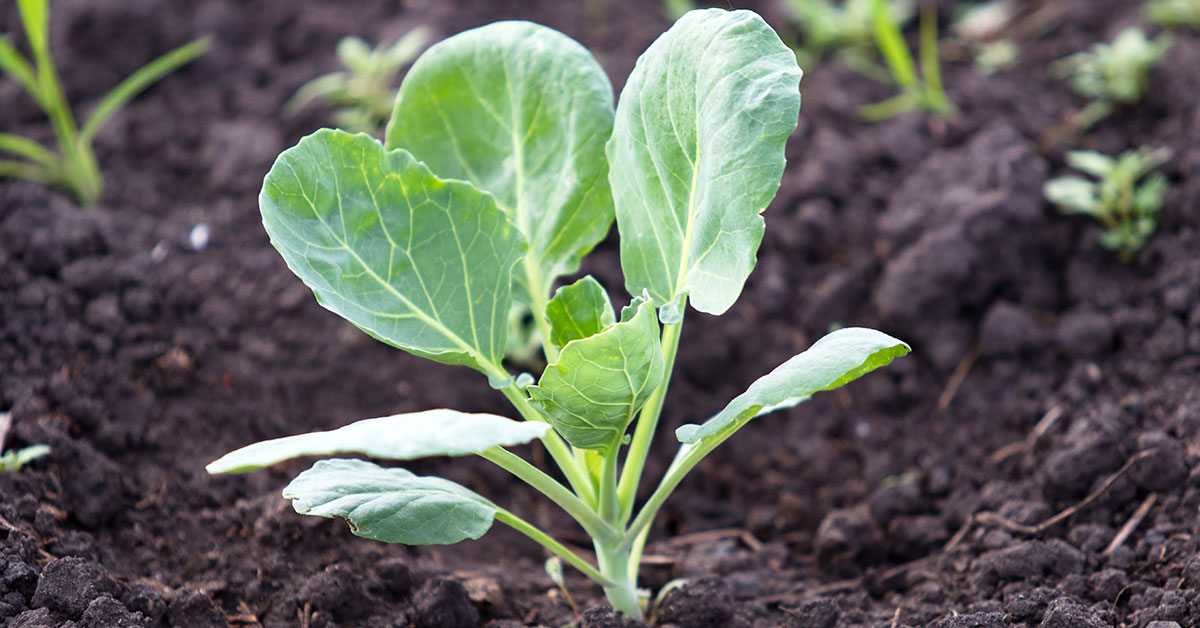

Gardeners love growing Bubbles Brussels Sprout for its distinctive appearance and delightful taste. This compact cabbage relative is sure to become a favorite in your kitchen. Bubbles Brussels Sprout is known for its petite size and tightly packed leaves, making it a perfect choice for those with limited garden space.
Not only does it add a pop of vibrant green to your garden, but it also offers a wealth of nutritional benefits. Whether you’re a seasoned gardener or just starting out, this article will guide you through everything you need to know about growing, harvesting, and enjoying Bubbles Brussels Sprout. So grab your gardening tools and let’s get started on this exciting journey of cultivating this delightful vegetable in your own backyard!
What is a Bubbles Brussels Sprout?
Belonging to the cabbage family, Brussels sprouts are mini, ball-shaped vegetables that grow along a long stalk. The Bubbles hybrid variety, like its counterparts, erupts into sprout-laden stalks that can reach up to two feet tall. The individual sprouts are typically harvested when they reach an inch in diameter, presenting a densely folded interior enclosed by bright green outer leaves.
One of the remarkable traits of the Bubbles hybrid is its ability to thrive in warm weather. Unlike some Brussels sprouts varieties that prefer cooler temperatures, Bubbles not only survives but flourishes in warmer climates. This distinctive feature broadens its growth range and provides gardeners with a wider window for cultivation.
Impressively, this variety also exhibits resistance to powdery mildew and rust – two of the most common and highly damaging plant diseases. Powdery mildew, which manifests as a white, powdery fungus on leaf surfaces, and rust, which causes pustules to spread across the plant, often lead to reduced crop yields. The Bubbles hybrid’s innate tolerance to these diseases makes it an attractive option for gardeners seeking resilient and durable vegetable options.
Being high in protein makes the Bubbles Brussels sprouts quite astonishing amongst vegetables. They pack a punch of protein, a macronutrient essential for muscle building, repairing tissues, and producing enzymes and hormones.
Furthermore, Bubbles Brussels sprouts are an excellent source of vitamin C, a potent antioxidant that helps protect our body from damaging free radicals. They contribute significantly to strengthening the immune system, enhancing iron absorption, producing collagen for healthy skin, and hastening wound healing.
What does Bubbles Brussels Sprout taste like?
The taste of Bubbles Brussels Sprout can be described as mildly sweet with a hint of nuttiness. It has a delicate and tender texture, making it a delightful addition to any dish. When cooked properly, the sprouts develop a subtle caramelized flavor, enhancing their natural sweetness.
The Bubbles Brussels Sprout is known for its exceptional flavor profile, which sets it apart from other varieties. Its taste is often compared to a milder version of cabbage or broccoli, with a pleasant earthy undertone. Whether steamed, roasted, or sautéed, the Bubbles Brussels Sprout offers a unique and enjoyable culinary experience.
How to start from seed
Starting Bubbles Brussels Sprouts requires a few steps to ensure successful growth. Here’s a breakdown of the process:
- Choosing the right time: Brussels sprouts are cool-season crops, so it’s best to start them indoors 6-8 weeks before the last expected frost date in your area. Alternatively, you can directly sow the seeds in the garden about 2-3 months before the first fall frost.
- Seed selection: Purchase high-quality Bubbles Brussels Sprouts seeds from a reputable supplier or garden center. Look for seeds specifically labeled as Bubbles Brussels Sprouts to ensure you are getting the correct variety.
- Preparing seed trays: Fill seed trays or pots with a well-draining seed-starting mix. Moisten the mix slightly before planting to ensure proper moisture levels.
- Sowing the seeds: Plant 2-3 seeds per cell or pot, about ¼ inch deep. It’s important to sow the seeds at the recommended depth to ensure proper germination.
- Providing optimal conditions: Brussels sprouts prefer cool temperatures and full sun. Place the seed trays in a warm location, such as near a south-facing window or under grow lights. Maintain a temperature of around 70°F (21°C) during the day and slightly cooler at night.
- Watering: Keep the soil consistently moist but not waterlogged. Use a spray bottle or a gentle watering can to water the seedlings, as strong water pressure may dislodge the seeds or damage the delicate seedlings.
- Providing adequate light: As soon as the seeds germinate and the seedlings emerge, move them to a location with bright light. If using grow lights, keep them 2-3 inches above the seedlings and adjust the height as the plants grow.
- Transplanting: When the seedlings have developed their second set of true leaves and are about 4-6 inches tall, they are ready to be transplanted into the garden or larger pots. Harden off the seedlings by gradually exposing them to outdoor conditions over a week or two.
- Choosing the planting site: Select a sunny location in your garden with well-draining soil. Brussels sprouts thrive in fertile soil rich in organic matter.
- Planting in the garden: Dig a hole slightly larger than the root ball of the seedling. Place the seedling in the hole at the same depth it was growing in the container. Space the plants about 18-24 inches apart to allow enough room for growth.
- Caring for the plants: Water the transplanted seedlings well and maintain consistent moisture throughout the growing season. Mulching around the plants helps retain moisture and suppress weed growth. Fertilize the plants with a balanced organic fertilizer according to the package instructions.
- Staking and support: As the Bubbles Brussels Sprouts plants grow taller, they may require staking or support to prevent them from toppling over in windy conditions. This is especially important later in the season when the sprouts start forming on the stalks.
- Pest and disease control: Keep an eye out for common pests like aphids, caterpillars, and cabbage worms. Regularly inspect the plants and take appropriate measures if you notice any signs of infestation. Additionally, be aware of common diseases such as clubroot and powdery mildew, and take preventive measures such as crop rotation and good airflow around the plants.
- Harvesting: Bubbles Brussels Sprouts will be ready to harvest when the sprouts are firm and about 1-1.5 inches in diameter. Begin harvesting from the bottom of the stalk, removing the lower sprouts first and allowing the upper ones to continue maturing.
By following these steps, you should have a successful start to growing Bubbles Brussels Sprouts and enjoy a bountiful harvest.
Planting and growing Bubbles Brussels Sprout
To plant and grow Bubbles Brussels Sprouts, follow these steps:
- Choose the right time: Brussels sprouts are a cool-season crop, so plant them in early spring or late summer to early fall, depending on your climate. Make sure the plants have enough time to mature before temperatures drop below freezing.
- Prepare the soil: Brussels sprouts prefer well-draining, fertile soil. Amend the soil with organic matter, such as compost or well-rotted manure, to improve its nutrient content and drainage. Remove any weeds or debris from the planting area.
- Start seeds indoors (optional): If you want an early start, you can start the seeds indoors about 6-8 weeks before the last frost date. Use seed-starting trays or pots filled with seed-starting mix. Sow the seeds about ¼ inch deep and keep them in a warm, well-lit area until they germinate.
- Transplant seedlings: Once the seedlings have grown about 4-6 inches tall and have developed a few sets of true leaves, they are ready to be transplanted. Harden off the seedlings by gradually exposing them to outdoor conditions over a week. Then, plant them in the garden, spacing them about 18-24 inches apart. Ensure the soil is moist, and gently firm it around the seedlings.
- Provide proper care: Brussels sprouts require consistent care throughout their growing season. Some key care tips include:
- Watering: Keep the soil consistently moist, especially during dry periods. Water deeply, allowing the soil to dry slightly between waterings.
- Fertilizing: Apply a balanced, slow-release fertilizer or side-dress with compost or well-rotted manure every 4-6 weeks to provide necessary nutrients.
- Mulching: Apply a layer of organic mulch around the plants to conserve moisture, suppress weeds, and regulate soil temperature.
- Staking: As the plants grow taller, they may benefit from staking or tying them to prevent them from toppling over in windy conditions.
- Pest control: Keep an eye out for common pests like aphids, cabbage worms, or slugs. Use organic pest control methods like handpicking, insecticidal soap, or neem oil if necessary.
- Harvesting: Bubbles Brussels sprouts are usually ready for harvest 90-110 days after transplanting. Start harvesting from the bottom of the plant, picking the sprouts when they are about 1-2 inches in diameter. Remove the lower leaves as you go up the stalk to expose the sprouts. Harvesting can continue until the sprouts become loose or start to open.
By following these steps, you should be able to successfully plant and grow Bubbles Brussels Sprouts in your garden. Happy gardening!
When to harvest
The best time to harvest Bubbles Brussels Sprouts is typically when the sprouts are firm and have reached a diameter of about 1 to 1.5 inches (2.5 to 3.8 cm). This usually occurs around 90-100 days after transplanting, depending on the specific variety and growing conditions.
To check if the sprouts are ready for harvest, gently squeeze one of the lower sprouts between your thumb and forefinger. If it feels firm and compact, it is likely ready to be picked. Avoid harvesting sprouts that are loose or have a soft texture.
It’s important to note that Brussels sprouts continue to mature from the bottom up, so you can start harvesting the lower sprouts first while leaving the upper ones to develop further. This allows the plant to keep producing more sprouts over time.
Harvest the sprouts by snapping them off the stem with a gentle twist or by using a sharp knife to cut them off. Remove any yellowing or damaged leaves as well. Enjoy your fresh Brussels sprouts!