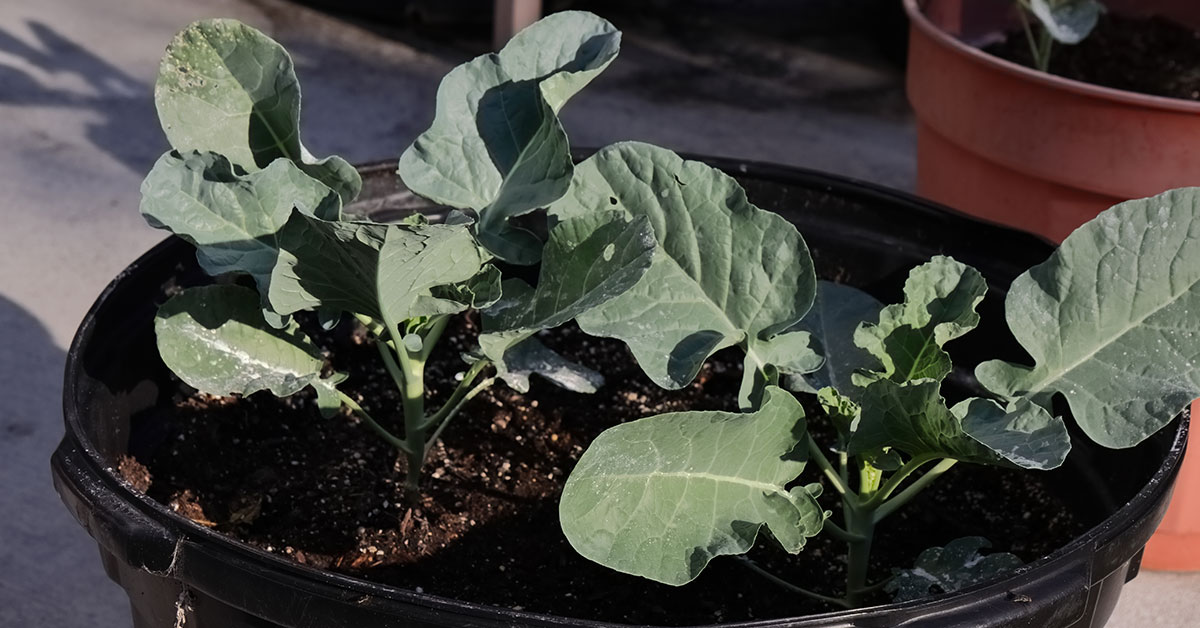

Broccoli raab, also known as rapini, is a vegetable that is commonly used in the Mediterranean and Italian cuisine. Despite its name, it is not actually a type of broccoli, but rather a member of the turnip family.
Broccoli raab has a slightly bitter taste and is often used in dishes such as pasta, pizza, and sautéed greens. It is also packed with nutrients, including vitamins A, C, and K, as well as iron and calcium.
In this article, we will explore the many benefits of broccoli raab, as well as share some delicious recipes to help you incorporate this tasty and nutritious vegetable into your diet.
What is Broccoli Raab?
Broccoli Raab is a green, leafy vegetable that belongs to the Brassica family. It is closely related to broccoli, but unlike broccoli, the edible part of Broccoli Raab is the leaves and the flower buds. The stems are also edible, but they are usually tougher and need to be cooked longer.
Broccoli Raab has a slightly bitter taste and a pungent aroma, which is why some people find it a bit challenging to eat. However, if cooked properly, Broccoli Raab can be a tasty and nutritious addition to any meal. It is commonly used in Italian cuisine, especially in pasta dishes and soups, but it is also used in many other cuisines around the world.
Broccoli Raab is a good source of vitamins A, C, and K, as well as iron, calcium, and potassium. It is also low in calories and high in fiber, making it a great choice for anyone who wants to maintain a healthy diet. Whether you are a fan of bitter greens or not, Broccoli Raab is definitely worth trying – you might be surprised at how much you like it!
What does Broccoli Raab taste like?
Broccoli Raab is a leafy green vegetable that has a slightly bitter and nutty taste. Many people describe its taste as a mix of broccoli and mustard greens.
When cooked, the bitterness of the vegetable becomes milder and the nutty flavor becomes more pronounced. It is often sautéed with garlic and olive oil, and then added to pasta dishes or served as a side dish.
If you’re not a fan of bitter vegetables, you may find Broccoli Raab to be an acquired taste. However, its unique flavor and nutritional benefits make it worth a try. It’s an excellent source of vitamins A and C, as well as a good source of iron and calcium.
Broccoli Raab has a distinct flavor that sets it apart from other leafy greens. Its bitter and nutty taste may not be for everyone, but it can add a flavorful and healthy twist to your meals.
How to start Broccoli Raab from seeds
Are you interested in growing your own Broccoli Raab from seed? It’s a flavorful and nutritious vegetable that’s a great addition to any garden. Here’s a guide on how to start from seed:
- Choose the right time to plant: Broccoli Raab (Rapini) is a cool-season vegetable that grows best in spring or fall. The ideal temperature for growing this vegetable is between 50-65°F.
- Choose a location: Broccoli Raab (Rapini) needs full sun exposure to grow properly. Choose a location in your garden that receives at least 6 hours of direct sunlight per day.
- Prepare the soil: Broccoli Raab (Rapini) prefers well-drained soil that is rich in organic matter. Amend the soil with compost or well-rotted manure to improve its texture and nutrient content.
- Sow the seeds: Sow the seeds directly into the soil, about ¼ inch deep and 1 inch apart. Space the rows about 12 inches apart. Water the soil thoroughly after sowing.
- Care for the seedlings: Keep the soil consistently moist until the seedlings emerge. Once the seedlings have emerged, thin them to about 6 inches apart to allow them room to grow. Water the seedlings regularly and fertilize them with a balanced fertilizer.
- Harvest the Broccoli Raab (Rapini): Harvest when the flower buds are just beginning to form. Cut off the stem just below the bud with a sharp knife or scissors. The plant will continue to produce new buds, so you can continue to harvest for several weeks.
How to grow Broccoli Raab
If you’re interested in growing your own Broccoli Raab, here are some tips to help you get started.
- Choose the right location: Broccoli Raab grows best in full sun, so choose a spot in your garden that receives at least six hours of direct sunlight each day. The soil should be well-draining and rich in organic matter.
- Plant at the right time: This plant is a cool-season crop that grows best in temperatures between 50-65°F. It can be planted in early spring or fall, depending on your climate. In warmer areas, it may be best to plant in the fall to avoid hot summer temperatures.
- Prepare the soil: Before planting, work some compost or well-rotted manure into the soil to improve its fertility. It prefers slightly acidic soil with a pH between 6.0-6.5.
- Plant the seeds: The seeds should be planted about 1/4 inch deep and 1 inch apart. Cover the seeds with soil and water gently. Once they germinate, thin the seedlings to 4-6 inches apart.
- Water regularly: This veggie needs consistent moisture to grow well. Water deeply once a week or more often if the weather is hot and dry.
- Fertilize: This plant benefits from regular fertilization. Use a balanced fertilizer every 3-4 weeks or use a slow-release fertilizer at planting time.
- Harvest: It is ready to harvest in about 40-60 days from planting. Harvest the leaves and flower buds when they are young and tender. Don’t wait too long, or the plant will become bitter.
When and How to Harvest Broccoli Raab
Broccoli Raab, also known as Rapini, is a green leafy vegetable that is popular in Italian cuisine. It is a member of the Brassica family, which includes broccoli, cauliflower, and kale. Broccoli Raab is a cool-season crop that is easy to grow and can be harvested in just a few weeks.
When to Harvest
Broccoli Raab can be harvested when the plant is about 6-8 inches tall. It is important to harvest the plant before it flowers, as the leaves will become bitter and tough once the plant has gone to seed. The best time to harvest is in the morning when the leaves are crisp and the plant is well-hydrated.
How to Harvest
To harvest, use a sharp knife or scissors to cut the stem of the plant just above the soil line. You can harvest the entire plant at once or just the individual leaves as needed. Be sure to leave some of the leaves on the plant, as this will encourage new growth and prolong the harvest.
If you are growing this plant for its flower buds, harvest the plant when the buds are tight and compact. This is usually about 40-50 days after planting. To harvest the buds, use a sharp knife or scissors to cut the stem just below the bud. The buds can be eaten raw or cooked, and are a popular ingredient in pasta dishes and stir-fries.
Harvesting is a simple process that can be done in just a few weeks after planting. By harvesting the plant at the right time and in the right way, you can enjoy a continuous harvest of this delicious and nutritious vegetable throughout the growing season.