
As the chill of fall sets in and temperatures begin their steady descent, many gardeners face the daunting task of protecting their beloved plants from the impending cold. It’s such a bummer when your vibrant garden starts to fade, not because of neglect, but simply because the weather turns against you. But fear not! With a little foresight and care, you can safeguard your favorite plants and ensure they thrive even as the mercury drops below 40 degrees.
I know how frustrating it is to watch your hard-earned plants succumb to the cold, especially when you’ve nurtured them through the growing season. That’s why I’m excited to share some of my top picks for plants that need a cozy indoor retreat as temperatures dip. Whether you’re dealing with tender perennials, tropical beauties, or other sensitive species, bringing these plants indoors will help them survive the winter and come back stronger in the spring!
Fiddle Leaf Fig

One of my absolute favorite plants to bring indoors is the Fiddle Leaf Fig! Native to the tropical regions of Western Africa, this stunning tree is prized for its large, glossy leaves that can transform any indoor space into a lush oasis. The Fiddle Leaf Fig thrives in bright, indirect light and appreciates a consistent watering schedule. When you bring it inside before the cold sets in, you’ll not only protect it from frost but also enjoy its elegant presence year-round. Plus, its dramatic foliage is a fantastic conversation starter!
While the Fiddle Leaf Fig isn’t considered invasive, it’s essential to provide it with ample space to grow and avoid overwatering, which can lead to root rot. These plants are known for their distinctive growth patterns and can develop a beautiful, sturdy trunk with proper care. I love watching them flourish indoors, sometimes even encouraging a bit of pruning to shape their canopy just right. Bringing this plant inside ensures it remains a centerpiece of your indoor garden, ready to spring back to life when warmer weather returns!
Hibiscus

Hibiscus plants are another gem that deserves a warm, indoor home as temperatures drop. Native to tropical and subtropical regions around the world, hibiscus plants are beloved for their vibrant, trumpet-shaped flowers that come in a dazzling array of colors. Bringing them inside before the first frost not only protects them from the cold but also allows you to enjoy their stunning blooms longer. These plants thrive in bright sunlight and high humidity, making your sunny windowsill the perfect sanctuary!
Although hibiscus plants are not typically invasive, they do require diligent care to prevent pests and diseases, especially when moved indoors. One of the joys of having hibiscus inside is watching pollinators like hummingbirds and butterflies flutter around their blossoms during warmer months. Inside, you can mimic their natural environment by providing adequate light and regular watering, ensuring they remain healthy and vigorous. I find that with a bit of attention, indoor hibiscus can brighten up any room and bring a touch of the tropics to your home!
Lavender
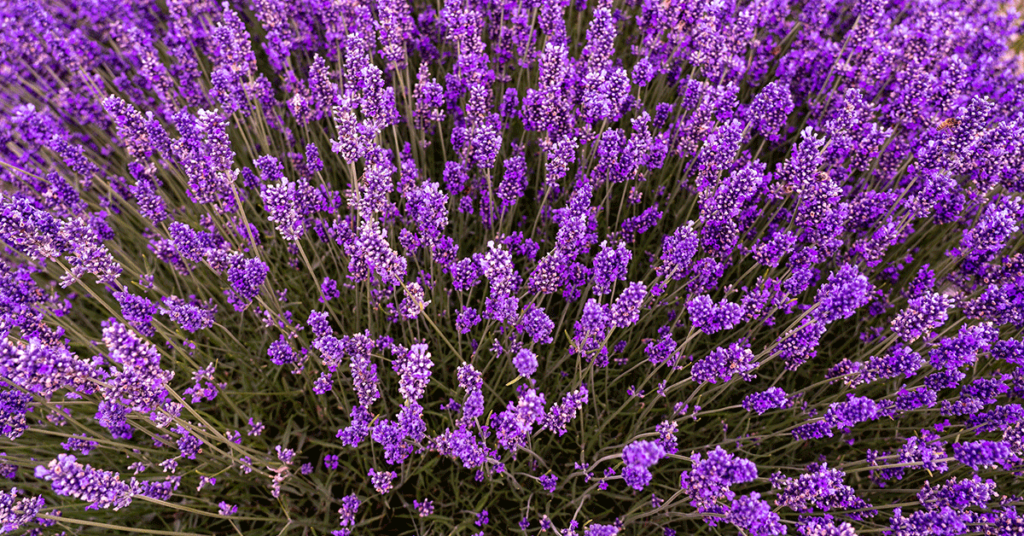
Lavender is a fragrant and versatile plant that’s perfect for bringing indoors as the temperature drops below 40 degrees. Native to the Mediterranean region, lavender is renowned for its beautiful purple flowers and soothing scent, which can add a calming ambiance to your indoor spaces. This hardy plant prefers well-drained soil and plenty of sunlight, so a sunny window is ideal for its indoor stay. By bringing lavender inside, you can continue to enjoy its lovely blooms and delightful aroma even during the colder months!
Lavender is not considered invasive, making it a safe and charming addition to your indoor garden. It attracts beneficial insects like bees and butterflies during the warmer seasons, which helps with pollination and maintaining a healthy garden ecosystem. Inside, lavender can also help repel pests, making it a natural choice for keeping your indoor environment fresh and pest-free. I absolutely adore the way lavender’s scent fills a room, creating a serene and inviting atmosphere that makes your home feel cozy and welcoming!
Succulents

Succulents are fantastic plants to bring indoors before the temperatures dip below 40 degrees. Originating from arid regions around the world, these hardy plants are known for their thick, fleshy leaves that store water, making them exceptionally drought-tolerant. Succulents thrive in bright light, so placing them near a sunny window is ideal for their indoor stay. Their diverse shapes and colors add a unique touch to any indoor garden, and their low maintenance needs make them perfect for both novice and experienced gardeners alike!
Most succulents are not invasive, but it’s important to choose varieties that are well-suited to indoor environments to prevent any unwanted spread. These plants have fascinating behaviors, such as forming rosettes or trailing gracefully from containers, which can add visual interest to your home. I love the resilience of succulents and how they can bounce back from a bit of neglect, making them perfect for busy lifestyles. Bringing succulents inside ensures they remain healthy and vibrant, ready to thrive until the warmth of spring returns!
Pothos
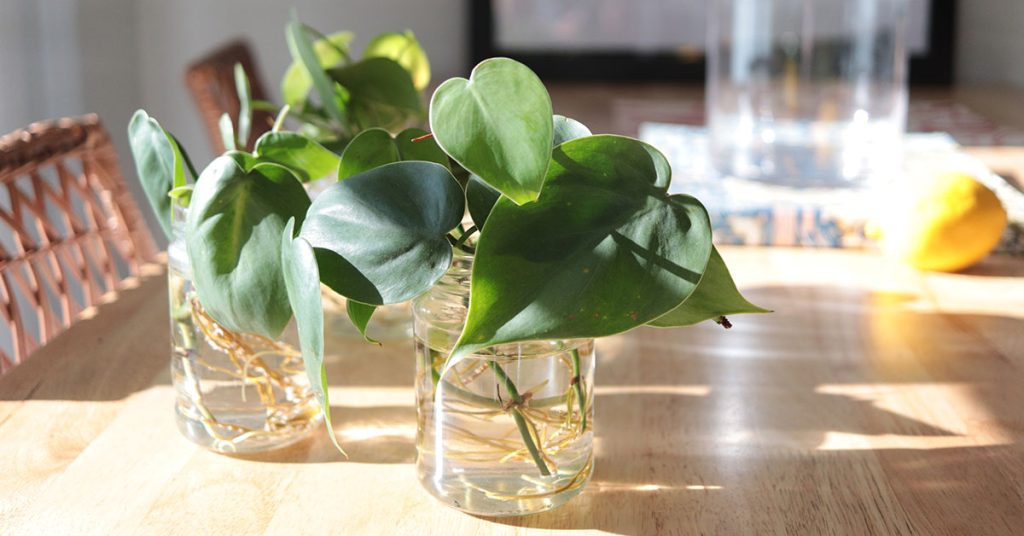
Pothos is a versatile and hardy plant that’s a must-bring indoors when temperatures start to drop below 40 degrees. Native to the Solomon Islands, pothos plants are renowned for their trailing vines and heart-shaped leaves, which come in a variety of colors and patterns. These plants are incredibly adaptable, thriving in low to bright indirect light, making them perfect for any indoor setting. Pothos are also excellent air purifiers, helping to keep your home environment fresh and healthy during the winter months!
Pothos plants are not considered invasive, but their vigorous growth means they can quickly take over a space if not properly managed. They are known for their ability to propagate easily, allowing you to create new plants from cuttings and share the joy with friends and family. I love how pothos can be styled in hanging baskets or trained to climb a trellis, adding both greenery and a sense of life to your indoor decor. Bringing pothos inside ensures that these beautiful vines continue to thrive, providing both aesthetic and environmental benefits throughout the colder season!
African Violet
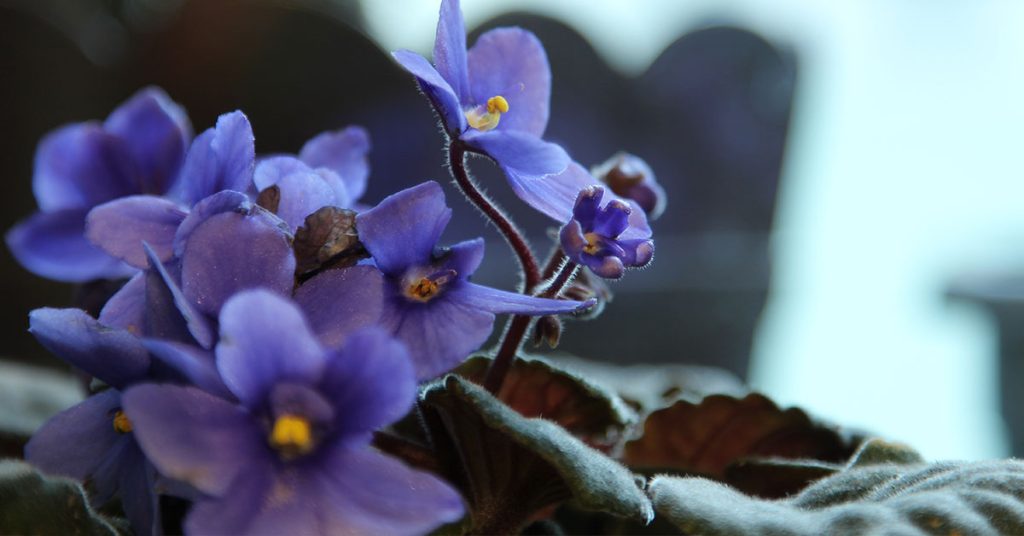
African Violets are charming plants that deserve a warm indoor home before temperatures fall below 40 degrees. Native to Tanzania and Kenya, these beloved plants are celebrated for their delicate, velvety leaves and stunning flowers that come in a spectrum of colors. African Violets thrive in bright, indirect light and prefer a consistent watering schedule, making your indoor environment perfect for their continued growth. By bringing them inside, you can enjoy their beautiful blooms and lush foliage all year round!
These plants are not considered invasive, making them a safe choice for indoor gardening. African Violets have a fascinating behavior of blooming multiple times throughout the year with the right care, providing continuous color and beauty. They can be a bit sensitive to changes in their environment, so bringing them indoors ensures they remain in a controlled and nurturing setting. I adore the way African Violets brighten up any room with their vibrant flowers and how rewarding it is to see them flourish under your care!
Christmas Cactus

The Christmas Cactus is a delightful plant to bring indoors before temperatures drop below 40 degrees, especially if you’re looking to add some holiday cheer to your home! Native to the rainforests of Brazil, this plant is known for its stunning, colorful blooms that typically appear around the holiday season. The Christmas Cactus thrives in bright, indirect light and prefers a slightly cooler environment as winter approaches, making your indoor space an ideal sanctuary. Bringing it inside ensures you can enjoy its festive flowers and unique segmented stems throughout the colder months!
Christmas Cacti are not considered invasive, making them a wonderful addition to your indoor garden without worrying about them taking over. These plants have a unique behavior of needing a period of darkness to trigger their blooming, which adds an interesting aspect to their care routine. I love how the Christmas Cactus can become a focal point in your home during the holidays, and with proper care, it can continue to bloom year after year. Bringing this plant indoors not only protects it from the cold but also adds a touch of seasonal magic to your living space!
Peace Lily
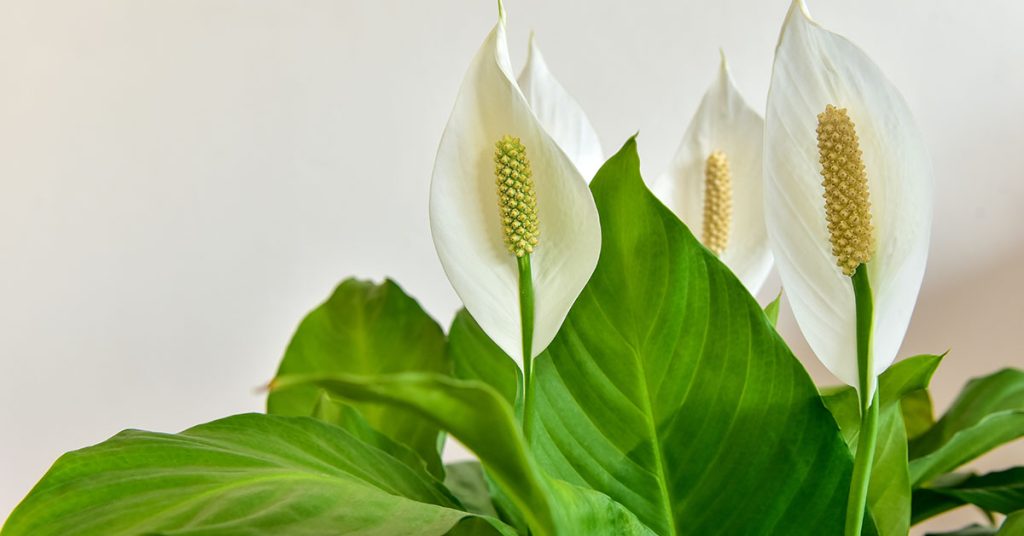
Peace Lilies are another fantastic option to bring indoors before temperatures dip below 40 degrees. Native to the tropical regions of the Americas and Southeast Asia, these elegant plants are admired for their graceful white flowers and glossy green leaves. Peace Lilies thrive in low to bright indirect light, making them perfect for almost any indoor location. Bringing them inside not only protects them from the cold but also allows you to enjoy their beautiful blooms and air-purifying qualities all year long!
Peace Lilies are not considered invasive, making them a safe and attractive choice for indoor gardening. These plants are known for their ability to filter toxins from the air, creating a healthier indoor environment. They also have fascinating behaviors, such as closing their flowers at night and reopening them during the day, adding a dynamic element to your home decor. I find Peace Lilies to be incredibly rewarding to care for, as they thrive with a bit of attention and bring a sense of tranquility and beauty to any room. Bringing a Peace Lily indoors ensures it remains a vibrant and healthy part of your indoor garden, ready to brighten your space even in the coldest months!
Bringing these plants indoors before the temperature drops below 40 degrees ensures they remain healthy, vibrant, and ready to flourish when spring returns. With a little care and attention, you can enjoy the beauty and benefits of these wonderful plants all year round, making your home a greener, more inviting place even during the chilliest seasons!