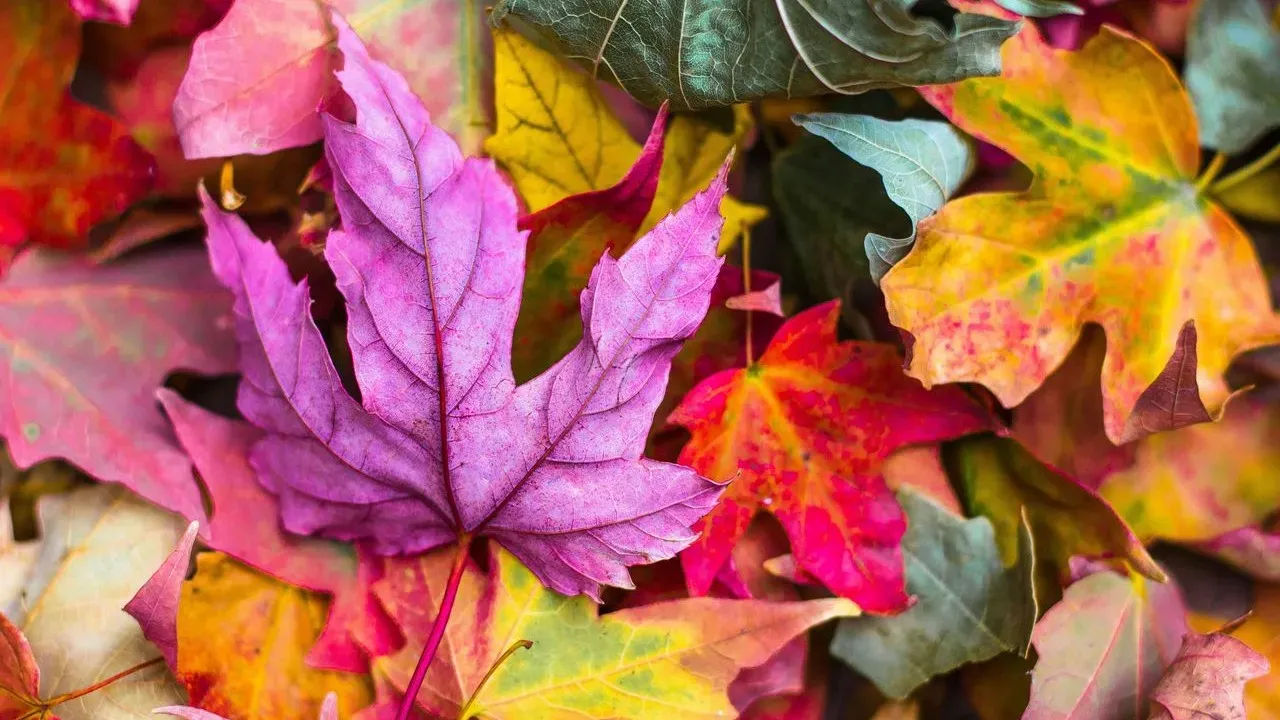

Many gardeners watch their yards lose vibrancy as summer fades, yet late-season plants offer a straightforward way to restore energy and interest. Vivid flowers, colorful foliage, and bright berries can extend the season with shades of pink, purple, orange, red, and yellow. This approach turns a quiet transition into a striking display that enhances outdoor spaces well into cooler months. ([1])
Why Late-Season Color Matters
Fall landscaping often receives less attention than spring or summer plantings, yet it delivers lasting visual impact. As temperatures drop and days shorten, many perennials and shrubs continue to perform, providing structure and brightness when other elements recede. The result is a garden that feels intentional and alive rather than dormant.
Adding these elements also supports local wildlife. Berries and late blooms offer food sources for birds and pollinators preparing for winter. Homeowners gain extended enjoyment of their outdoor areas without requiring major redesigns.
Choosing the Right Palette
Focus on a mix of tones that complement existing plantings. Pinks and purples bring softness and depth, while oranges, reds, and yellows create warmth and contrast against fading greens. Layering these hues across different plant heights produces dimension and prevents a flat appearance.
Consider how light changes in autumn. Lower sun angles make saturated colors stand out more dramatically than they do in midsummer. Selecting plants that hold their color through frost extends the payoff even further.
Practical Steps for Success
Start by assessing current beds for gaps where late bloomers or colorful foliage can fit. Incorporate a few key additions each season rather than overhauling everything at once. This measured approach keeps costs manageable and allows observation of what performs best in local conditions.
Soil preparation and consistent watering remain essential even as days cool. Many fall performers establish stronger roots before winter, leading to better displays the following year. Mulching helps retain moisture and protect new plantings from early freezes.
Long-Term Landscape Benefits
Gardens that feature strong fall color often require less maintenance in subsequent seasons. Established plants return reliably, reducing the need for annual replacements. The visual continuity also increases property appeal during a time when many landscapes appear bare.
Over time, these choices create a more resilient outdoor space. Diverse plantings support healthier ecosystems and provide year-round interest that evolves with the seasons. The investment in late-season color pays dividends in both beauty and practicality.
AI Disclaimer: This article was created with the assistance of AI tools and reviewed by a human editor.