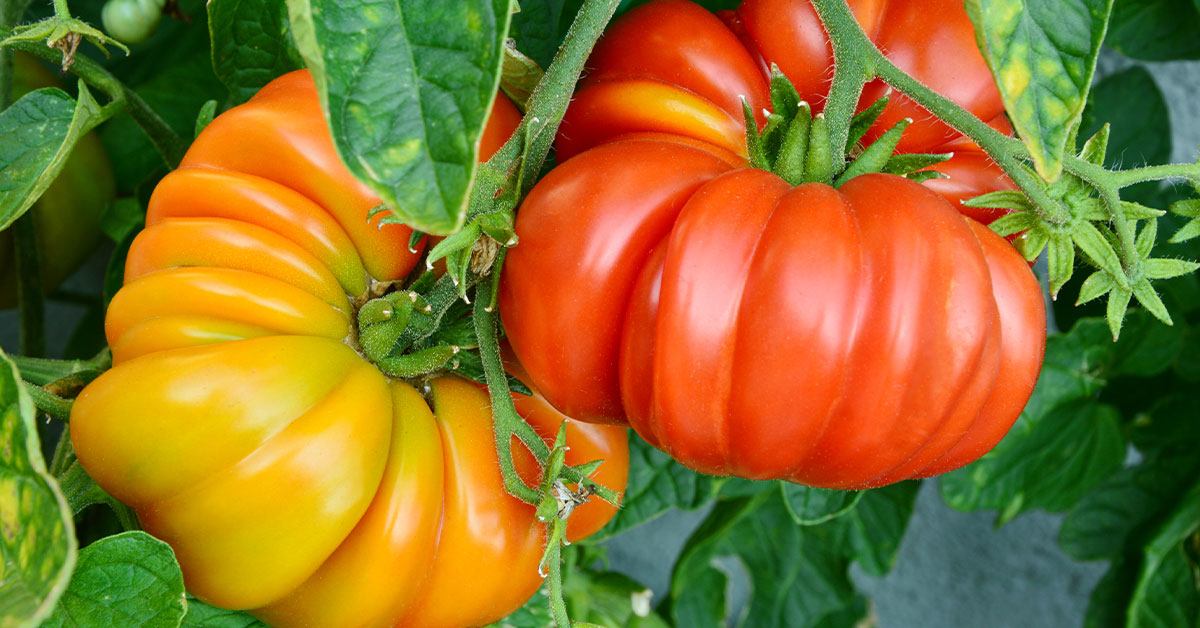

The Brandywine tomato is a classic heirloom variety that has been cultivated since the late 1800s. This tomato is renowned for its large size, rich flavor, and meaty texture. Its popularity has only continued to grow over the years, making it a favorite among gardeners and food enthusiasts alike. Whether you’re a seasoned gardener or just starting out, the Brandywine tomato is definitely one to consider adding to your garden. In this blog, we’ll dive deeper into what makes this tomato so special and how to grow it successfully.
What are Brandywine tomatoes?
The Brandywine tomato is a popular heirloom variety of tomato that is highly prized by gardeners and food enthusiasts alike. It is named after the Brandywine River in Pennsylvania, where it is believed to have originated.
The Brandywine tomato is a large, beefsteak-type tomato that can weigh up to one pound and grow up to six inches in diameter. It has a distinctive pinkish-red color and a rich, sweet flavor that is often described as “juicy” and “complex.”
Brandywine tomatoes are also known for their unusual appearance. Its irregular shape and deep ridges give it a unique and rustic look that sets it apart from other tomatoes.
Despite its popularity, the Brandywine tomato can be challenging to grow. It requires a long growing season and plenty of sun and warmth to reach its full potential. However, for those who are willing to put in the effort, the reward is a delicious and truly unique tomato that is sure to impress.
How to start Brandywine tomatoes from seed
Starting tomatoes from seed is a cost-effective and rewarding way to grow your own tomato plants. To begin, choose the tomato varieties that suit your preferences and growing conditions.
Fill seed trays or pots with a lightweight and well-draining seed starting mix, plant the seeds at the recommended depth, and provide adequate moisture and warmth for germination.
Once the seedlings have developed their second set of true leaves, they can be transplanted into larger containers or individual pots. Gradually acclimate the seedlings to outdoor conditions before transplanting them into the garden.
By following these basic steps, you can successfully start tomatoes from seed and enjoy a thriving crop of homegrown tomatoes.
Additional Resource: Our comprehensive guide to starting tomatoes from seed
Growing & care
Transplanting and caring for tomatoes outdoors involves a few essential steps. First, choose a sunny location with well-drained soil. Prior to transplanting, harden off the seedlings by gradually exposing them to outdoor conditions.
Dig a hole slightly larger than the root ball of each seedling and plant them, burying the stem up to the first set of leaves. Water the seedlings thoroughly after transplanting. Provide consistent watering, aiming for 1-2 inches of water per week.
Stake or cage the plants for support and prune indeterminate varieties by removing suckers. Monitor for pests and diseases, taking prompt action if necessary. By following these steps, you’ll set your tomato plants up for healthy growth and a fruitful harvest.
Additional Resource: How to transplant and care for tomatoes outdoors
Common tomato pests and diseases
Tomatoes are susceptible to various pests and diseases that can affect their health and productivity. Some common tomato pests include aphids, tomato hornworms, whiteflies, and cutworms. These pests can cause damage to leaves, stems, and fruit, leading to reduced plant vigor and yield.
Additionally, tomato plants can be affected by diseases such as early blight, late blight, fusarium wilt, and verticillium wilt. These diseases can cause leaf discoloration, wilting, and fruit rot. Proper identification and timely intervention are crucial to effectively manage these pests and diseases and ensure the successful growth of tomato plants.
Additional Resource: Comprehensive list of tomato diseases and pests and how to fix them
Common problems
Brandywine tomatoBrandywine tomatoes are a popular choice among gardeners, thanks to their rich, meaty flavor and large size. However, like any plant, they can fall victim to a range of problems that can impact their growth and yield. Here are some common issues that you may encounter when growing Brandywine tomatoes.
- Blossom end rot: This is a common problem that affects many tomato varieties, including Brandywine tomatoes. It occurs when there is a calcium deficiency in the soil, which can lead to the fruit developing a dark, sunken spot at the bottom. To prevent this, make sure your soil has adequate calcium levels and water your plants regularly to prevent drought stress.
- Disease: Brandywine tomatoes are susceptible to a range of diseases, including early blight, late blight, and verticillium wilt. These can cause the leaves to yellow and wither, and can ultimately kill the plant. To prevent disease, make sure your plants have adequate airflow and avoid watering them from above, as this can promote the spread of fungal spores.
- Pests: Like all tomato plants, Brandywine tomatoes can fall victim to a range of pests, including aphids, spider mites, and whiteflies. These can cause damage to the leaves and fruit, and can ultimately weaken or kill the plant. To prevent pest infestations, keep your plants healthy and well-fed, and consider using natural pest control methods like neem oil or insecticidal soap.
- Poor yield: If your Brandywine tomato plants are not producing as many fruits as you would like, there could be a few different factors at play. Poor pollination, inadequate sunlight, and improper watering are all common causes of low yield. To improve your yield, make sure your plants are getting at least 6-8 hours of direct sunlight each day, and water them deeply and consistently to prevent drought stress.
By keeping an eye out for these common problems and taking steps to prevent and address them, you can help ensure that your Brandywine tomato plants thrive and produce a bountiful harvest.
Uses
Brandywine tomatoes are a popular variety of heirloom tomatoes that are known for their large size, juicy texture, and rich flavor. These tomatoes are typically used in a variety of dishes and are versatile enough to be used in many different ways.
One of the most common ways that Brandywine tomatoes are used is in salads. Their juicy texture and sweet flavor make them perfect for adding to a variety of greens and other vegetables to create a refreshing and satisfying salad. They can be sliced, diced, or chopped into small pieces depending on the recipe.
Brandywine tomatoes are also commonly used in sauces and salsas. Their rich, full flavor pairs well with other ingredients and can add a depth of flavor to any dish. Whether you’re making a classic tomato sauce or a spicy salsa, Brandywine tomatoes are a great choice.
Another popular use for Brandywine tomatoes is in sandwiches and burgers. Their large size makes them perfect for stacking on top of a juicy burger or adding to a sandwich for a burst of flavor and texture. They can also be roasted or grilled to add even more flavor and texture to your favorite sandwich or burger recipe.
Overall, Brandywine tomatoes are a versatile and delicious ingredient that can be used in a variety of dishes. Whether you’re making a salad, sauce, sandwich, or burger, these tomatoes are sure to add a burst of flavor and texture to your dish.