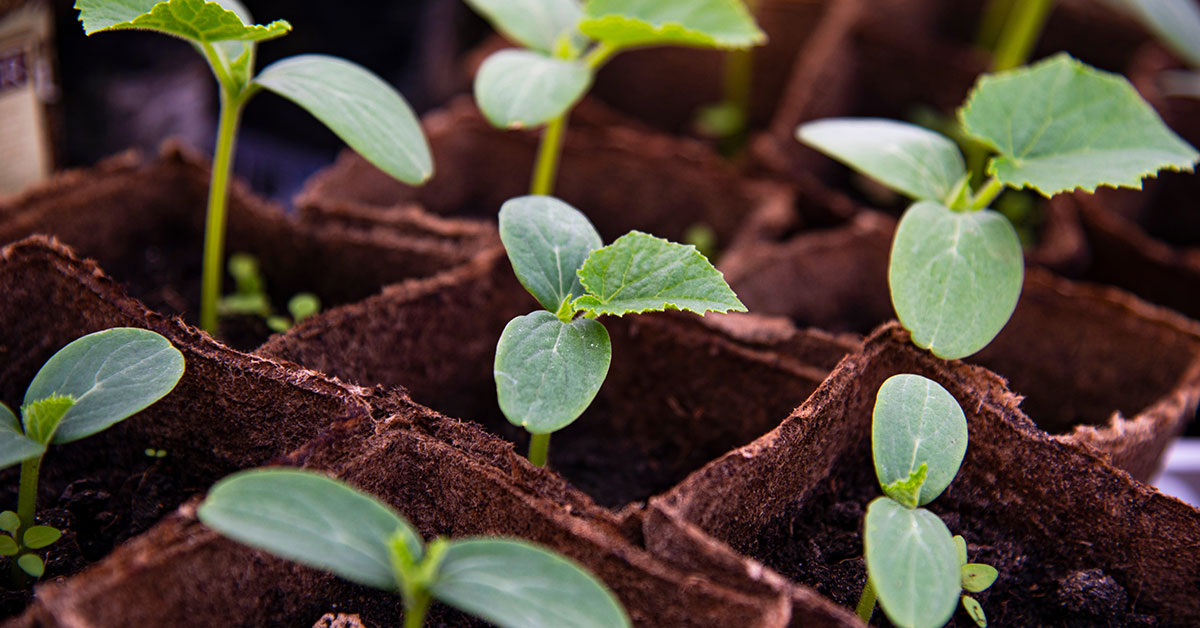

Welcome to the world of gardening! If you’re a fan of pickles and want to try your hand at growing your own cucumbers, look no further than the Boston Pickling Cucumber. Known for its crisp texture and ability to retain its shape even after pickling, this variety is a favorite among gardeners and pickle enthusiasts alike.
Whether you have a spacious backyard or a small balcony, the Boston Pickling Cucumber is a versatile plant that can be grown in containers or directly in the ground. In this article, we will explore the characteristics of the Boston Pickling Cucumber, its growing requirements, and some tips to help you achieve a bountiful harvest.
Get ready to add some homegrown crunch to your favorite sandwiches and relishes as we delve into the world of Boston Pickling Cucumbers!
What is a Boston Pickling Cucumber?
A Boston Pickling Cucumber is a specific variety of cucumber that is primarily grown for pickling purposes. It is a compact, bushy plant that produces small to medium-sized cucumbers with a classic pickle shape – short and slightly tapered at the ends.
The skin of the Boston Pickling Cucumber is thin and tender, making it ideal for pickling, as it absorbs flavors well. The color of the skin is usually a vibrant green, which is visually appealing. The flesh inside is crisp, juicy, and has a mild, refreshing taste. These cucumbers are known for their excellent texture and crunch, making them perfect for homemade pickles.
They have a good balance of sweetness and tanginess, which adds to the overall flavor profile of the pickles. When growing Boston Pickling Cucumbers, it’s important to provide them with proper support, such as trellises or stakes, to keep the vines off the ground and prevent damage.
They thrive in warm weather conditions and require consistent watering to maintain adequate moisture levels in the soil. Overall, Boston Pickling Cucumbers are a popular choice among gardeners and pickle enthusiasts due to their compact size, great taste, and suitability for pickling.
What does Boston Pickling Cucumber taste like?
The Boston Pickling Cucumber is a variety of cucumber that is specifically bred for pickling purposes. When it comes to taste, these cucumbers are known for their crisp texture and refreshing flavor. They have a mild and slightly sweet taste, with a hint of tanginess. The flesh is juicy and tender, making it perfect for pickling. The taste of a Boston Pickling Cucumber is often described as clean and refreshing, making it a popular choice for homemade pickles and relishes.
How to start from seed
Starting Boston Pickling Cucumbers is a relatively straightforward process. Here’s a step-by-step guide to help you get started:
- Selecting seeds: Look for high-quality Boston Pickling Cucumber seeds from a reputable nursery or seed supplier. Make sure the seeds are fresh and have a high germination rate.
- Starting indoors: Boston Pickling Cucumbers are typically started indoors before being transplanted outside. Start about 4-6 weeks before the last frost date in your area. Fill small seed trays or pots with a well-draining seed starting mix.
- Planting seeds: Sow the cucumber seeds about half an inch deep into the soil, placing one or two seeds per pot. Lightly cover the seeds with soil and gently water them.
- Providing ideal conditions: Place the seed trays or pots in a warm location where the temperature remains around 70-85°F (21-29°C). Ensure the containers receive ample sunlight or use grow lights to provide 12-16 hours of light per day.
- Watering and maintaining moisture: Keep the soil evenly moist but not waterlogged. Avoid overwatering, as it can lead to damping-off disease. Using a spray bottle or a gentle watering technique can help prevent disturbing the seeds or seedlings.
- Transplanting: Once the danger of frost has passed and the seedlings have grown two to three true leaves, they can be transplanted outside. Harden off the seedlings by gradually exposing them to outdoor conditions over a week before transplanting.
- Choosing a planting site: Boston Pickling Cucumbers prefer well-draining soil with a pH between 6.0 and 7.0. They thrive in full sun, so choose a location with at least 6-8 hours of direct sunlight per day.
- Preparing the soil: Before transplanting, prepare the soil by loosening it and incorporating organic matter like compost or well-rotted manure. This will improve drainage and provide essential nutrients.
- Transplanting outdoors: Dig holes slightly larger than the size of the seedling’s root ball and plant them at the same depth as they were in the pots. Space the cucumber plants about 12-24 inches apart in rows that are 3-5 feet apart.
- Providing support: Boston Pickling Cucumbers are vining plants that benefit from trellising or providing some kind of support. This helps keep the fruits off the ground, promotes air circulation, and makes harvesting easier.
- Watering and fertilizing: Keep the soil consistently moist but not waterlogged throughout the growing season. Cucumbers require regular watering, especially during hot and dry periods. Fertilize the plants every 2-3 weeks with a balanced organic fertilizer according to the package instructions.
- Pest and disease control: Monitor your cucumber plants regularly for signs of pests like aphids, cucumber beetles, or powdery mildew. Employ organic pest control methods or consult a local gardening expert for appropriate solutions.
- Harvesting: Boston Pickling Cucumbers are generally ready for harvest in about 55-60 days from transplanting. Harvest the cucumbers when they are about 3-6 inches long for pickling purposes. Regularly pick the cucumbers to encourage continued production.
By following these steps and providing the necessary care, you should be able to enjoy a bountiful harvest of delicious Boston Pickling Cucumbers. Good luck with your gardening endeavors!
Planting and growing Boston Pickling Cucumber
Planting and growing a Boston Pickling Cucumber involves several steps. Here is a step-by-step guide:
- Choose the right location: Select a sunny spot in your garden or yard that receives at least 6-8 hours of direct sunlight per day. Cucumbers thrive in warm temperatures, so ensure the area is well-draining.
- Prepare the soil: Cucumbers prefer loose, well-draining soil that is rich in organic matter. Amend the soil with compost or well-rotted manure to improve its fertility and drainage. Remove any weeds or debris from the area.
- Sow the seeds: Plant the cucumber seeds directly into the soil after the last frost date in your region. Make small holes about 1 inch deep and space them about 12-18 inches apart, allowing enough room for the vines to spread.
- Watering: After sowing the seeds, water the area gently, keeping the soil moist but not waterlogged. Cucumbers require consistent moisture, especially during flowering and fruiting. Water deeply once or twice a week, depending on the weather conditions.
- Provide support: Boston Pickling Cucumbers are vining plants and can benefit from trellises, cages, or stakes for support. This helps to keep the fruits off the ground, prevents disease, and saves space in your garden.
- Fertilizing: Cucumbers are heavy feeders, so ensure they receive regular fertilization. Use a balanced organic fertilizer or compost tea every 3-4 weeks throughout the growing season. Follow the package instructions for application rates.
- Mulching: Apply a layer of organic mulch, such as straw or shredded leaves, around the cucumber plants. Mulching helps to retain moisture, suppress weeds, and maintain even soil temperatures.
- Pruning and training: As the cucumber plants grow, you may need to prune and train them to control their growth and encourage better air circulation. Remove any side shoots or suckers that develop in the leaf axils.
- Pest and disease control: Monitor your plants regularly for common cucumber pests such as aphids, cucumber beetles, or powdery mildew. Use organic pest control methods if necessary, such as handpicking, spraying with insecticidal soap, or applying neem oil.
- Harvesting: Boston Pickling Cucumbers are typically harvested when they are about 3-5 inches long, firm, and bright green. Pick them regularly to encourage more fruit production. If left on the vine for too long, they can become overripe and lose their crispness.
By following these steps, you should be able to successfully plant and grow your Boston Pickling Cucumbers and enjoy a bountiful harvest of delicious cucumbers for pickling or fresh eating.
When to harvest
The best time to harvest Boston Pickling Cucumbers is when they reach their desired size, which is typically around 3-4 inches in length. It’s important to harvest them before they become overripe and turn yellow, as they can become bitter and lose their crispness. Regularly check your cucumber plants for mature fruits and harvest them promptly to ensure they are at their peak flavor and texture.