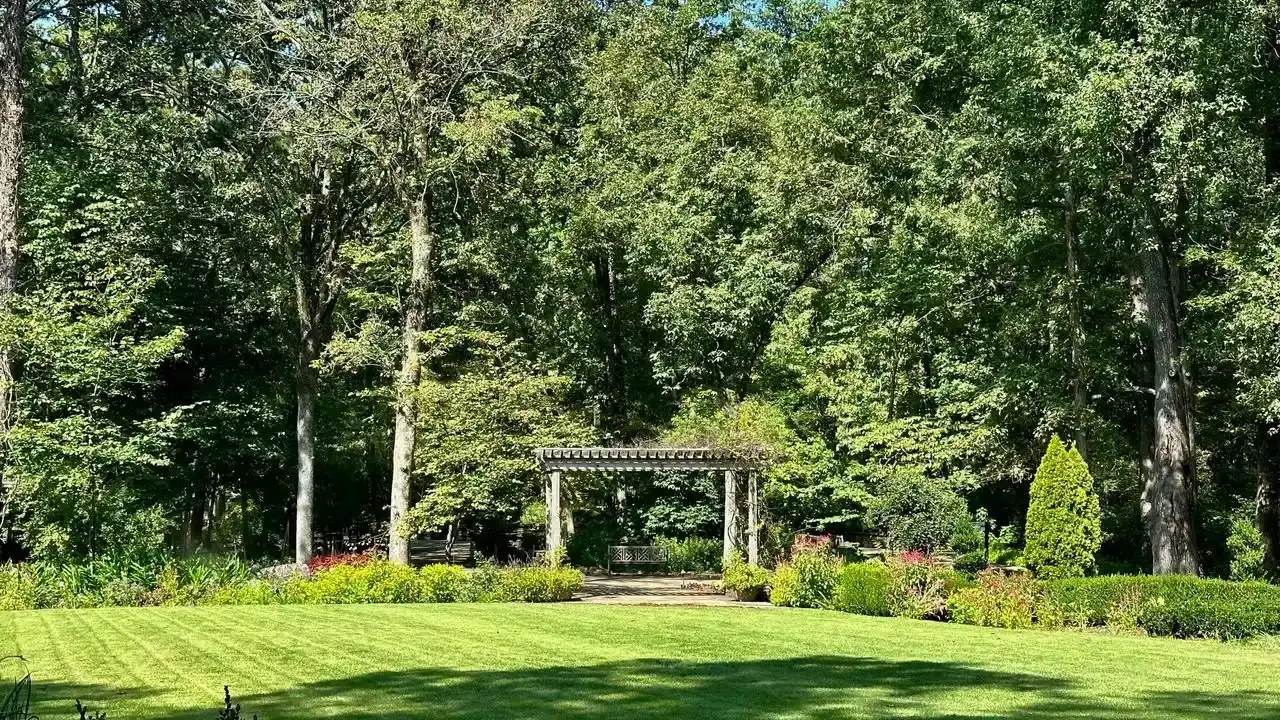

In a quiet stretch of Georgia, Bonnie has spent years shaping a woodland garden that keeps offering fresh discoveries each spring. What began as a thoughtful collection of native trees and understory plants has grown into a layered space where timing, light, and plant partnerships create effects no single season could have predicted. The surprises are not accidents but the natural outcome of patient, repeated decisions made over decades.
Years of Layered Decisions Shape the Space
Bonnie approached the site with restraint rather than a rigid blueprint. She chose plants that could coexist with existing trees and soil conditions, allowing each addition to settle before introducing the next. Over time, the canopy, mid-layer shrubs, and ground-level perennials began to interact in ways that single-year plantings rarely achieve.
The process rewarded observation more than speed. Early choices that seemed modest, such as positioning shade-tolerant species beneath young trees, later produced unexpected drifts of color and texture once the canopy matured. Those same placements now filter light in patterns that shift daily and seasonally, turning ordinary walks into quiet studies of change.
Spring Reveals What Earlier Seasons Concealed
Many woodland gardens look promising in catalogs yet fall flat once planted. Bonnie’s space works differently because the surprises arrive on their own schedule. Spring ephemerals that stayed hidden beneath leaf litter for months suddenly appear in pockets where light reaches the forest floor, often in combinations no one planned in advance.
These moments feel earned rather than staged. A cluster of trilliums might emerge beside a fern that only became established after several wet winters. The timing creates brief windows of contrast that disappear as the canopy fills, leaving visitors with the sense that the garden is still writing its own story.
Plant Partnerships Drive the Unexpected Effects
Thoughtful planting in this setting means more than attractive groupings. Bonnie selected species whose growth habits complement one another across multiple years. Some spread slowly to fill gaps; others stay compact and allow light to reach lower layers longer than expected.
The result is a series of small-scale relationships that only become visible after the plants have lived together for a while. A late-blooming native might extend the season beside an earlier one whose foliage has already begun to fade, creating continuity without constant intervention. These partnerships reduce the need for heavy maintenance while increasing the garden’s capacity to surprise.
Patience Turns Ordinary Sites Into Living Records
Woodland gardens reward the willingness to watch rather than control. Bonnie’s approach shows how repeated, modest interventions can produce a landscape that feels both intentional and wild. The surprises that appear each spring serve as quiet proof that time itself is part of the design.
Visitors often leave with new questions about their own spaces. What might emerge if a few more seasons were allowed to pass before the next major change? The answers, like the garden itself, unfold gradually and on their own terms.
AI Disclaimer: This article was created with the assistance of AI tools and reviewed by a human editor.