
Bok Choy cabbage, also known as Chinese cabbage or pak choi, is a versatile and nutritious vegetable that has been a staple in Asian cuisine for centuries. With its crisp, tender leaves and mild, slightly sweet flavor, Bok Choy has gained popularity worldwide for its culinary and health benefits. This leafy green belongs to the Brassica family, which includes other nutrient-rich vegetables like kale, broccoli, and Brussels sprouts.
Bok Choy is not only easy to grow in home gardens but also offers a wealth of vitamins, minerals, and antioxidants, making it a valuable addition to any healthy diet. Whether enjoyed raw in salads, stir-fried, sautéed, or added to soups and stews, Bok Choy cabbage is a delicious and nutritious vegetable that every gardener should consider growing. In this article, we will explore the various aspects of Bok Choy cultivation, including planting and care tips, harvesting techniques, and some creative ways to incorporate this leafy green into your meals.
What is a Bok Choy Cabbage?
Bok choy, also known as Chinese cabbage or pak choi, is a leafy vegetable that belongs to the Brassica family. It is a popular ingredient in Asian cuisine and is widely cultivated for its tender, crunchy stalks and dark green leaves. Bok choy has a distinctive appearance with its thick white stalks and vibrant green leaves. The stalks are crisp, juicy, and slightly sweet, while the leaves are tender and have a mild, earthy flavor. The entire plant is edible, including the stalks, leaves, and even the flowers.
This vegetable is known for its nutritional value, as it is low in calories and rich in vitamins A, C, and K, as well as minerals like calcium, potassium, and iron. It is also a good source of dietary fiber. Bok choy is a versatile vegetable that can be used in various culinary preparations. It can be enjoyed raw in salads, added to stir-fries, soups, stews, and even pickled. Its mild flavor allows it to easily absorb the flavors of other ingredients it is cooked with.
When growing bok choy in your garden, it is important to ensure it receives adequate sunlight and well-drained soil. It can be planted in both spring and fall, as it can tolerate cooler temperatures. Bok choy matures relatively quickly, usually within 45-60 days, making it a great choice for home gardeners. Overall, bok choy is a delicious and nutritious vegetable that adds a unique flavor and texture to various dishes. Its versatility and ease of cultivation make it a popular choice for gardeners and cooks alike.
What does Bok Choy Cabbage taste like?
Bok choy cabbage has a unique taste that is often described as mild, slightly sweet, and refreshing. It has a crunchy texture with tender leaves and a crisp stem. The flavor is often compared to a combination of cabbage and spinach, with a hint of mustard or pepperiness. Bok choy cabbage has a delicate and subtle taste that pairs well with a variety of other ingredients in stir-fries, soups, salads, or even as a standalone side dish.
How to start from seed
Starting Bok Choy Cabbage is a relatively simple process. Here’s a step-by-step guide to help you get started:
- Choose the right time: Bok Choy is a cool-season crop, so it’s best to start planting it in early spring or late summer to early fall when temperatures are cooler.
- Select healthy seeds: Purchase high-quality Bok Choy seeds from a reputable source. Look for seeds that are fresh and haven’t expired.
- Prepare the soil: Bok Choy prefers well-draining soil that is rich in organic matter. Prepare the planting area by removing any weeds, rocks, or debris. Loosen the soil using a garden fork or tiller and mix in compost or well-rotted manure to improve the soil’s fertility.
- Sow the seeds: Create shallow furrows in the soil, about ¼ inch deep. Space the furrows 12-18 inches apart to allow enough room for the plants to grow. Sow the seeds thinly along the furrows, leaving about 4-6 inches between each seed.
- Cover and water: Once the seeds are sown, gently cover them with a thin layer of soil. Lightly press the soil down to ensure good seed-to-soil contact. Water the area gently to moisten the soil, taking care not to wash away the seeds. Keep the soil consistently moist throughout the germination period.
- Germination and thinning: Bok Choy seeds typically take around 7-14 days to germinate. Once the seedlings are a few inches tall, thin them out to provide adequate space for growth. Remove the weaker or overcrowded seedlings, leaving the healthiest ones with around 6-8 inches of space between them.
- Provide proper care: Bok Choy requires regular watering to keep the soil evenly moist. Water deeply, but avoid overwatering or allowing the soil to become waterlogged. Mulching around the plants can help conserve moisture and suppress weed growth.
- Fertilize: Bok Choy benefits from regular fertilization. Apply a balanced organic fertilizer or compost tea every few weeks to provide essential nutrients for healthy growth.
- Pest and disease control: Keep an eye out for common pests like aphids, cabbage worms, and flea beetles. If necessary, use organic pest control methods like handpicking or insecticidal soap to manage them. Preventing diseases such as powdery mildew or damping off can be achieved by providing good air circulation and avoiding overwatering.
- Harvesting: Bok Choy can be harvested when the leaves are young and tender, typically around 30-45 days after planting. Harvest the outer leaves by cutting them at the base, or you can harvest the entire plant by cutting it a couple of inches above the soil level. Harvesting regularly will encourage new growth and a continuous harvest.
By following these steps, you can successfully start and grow your own Bok Choy Cabbage. Enjoy the process and the delicious rewards of your efforts!
Planting and growing Bok Choy Cabbage
Here are the steps for planting and growing Bok Choy cabbage:
- Choose a suitable location: Bok Choy cabbage prefers a sunny spot with well-draining soil. Ensure the area gets at least 6 hours of direct sunlight daily.
- Prepare the soil: Before planting, work the soil by removing any weeds, rocks, or debris. Loosen the soil to a depth of 8-10 inches and add compost or organic matter to improve fertility and drainage.
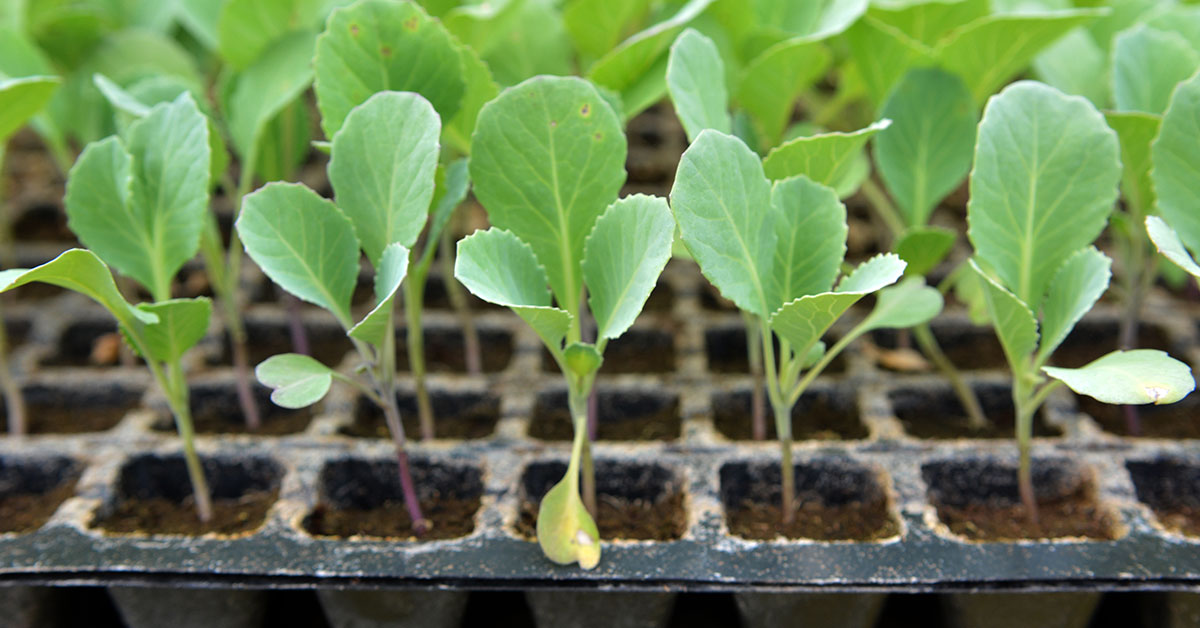
- Sow the seeds: Bok Choy cabbage can be directly sown or started indoors and transplanted later. If starting indoors, sow the seeds in small pots or trays about 4-6 weeks before the last frost date. Plant the seeds ¼ inch deep and cover them lightly with soil. Keep the soil consistently moist until germination.
- Transplanting (if applicable): If you started the seeds indoors, transplant the seedlings outdoors once they have developed a few true leaves and the danger of frost has passed. Space the seedlings about 8-12 inches apart in rows, ensuring they have enough room to grow.
- Watering: Bok Choy cabbage requires regular watering to keep the soil consistently moist. Avoid overwatering, as it can lead to root rot. Water deeply whenever the top inch of soil feels dry, aiming to provide about 1 inch of water per week.
- Fertilization: Apply a balanced organic fertilizer or compost around the base of the plants every 4-6 weeks to provide essential nutrients. Follow the package instructions for proper dosage.
- Mulching: Apply a layer of organic mulch, such as straw or shredded leaves, around the plants to help retain moisture, suppress weed growth, and regulate soil temperature.
- Pest and disease control: Bok Choy cabbage is susceptible to pests like aphids, cabbage worms, and flea beetles. Regularly inspect the plants for any signs of infestation and take appropriate measures, such as using organic insecticides or practicing companion planting with pest-repellent plants like marigolds. Monitor for common diseases like clubroot and downy mildew, and take prompt action if detected.
- Harvesting: Bok Choy cabbage reaches maturity in about 45-60 days after sowing. Harvest the entire head by cutting it at the base, or you can also remove outer leaves as needed, allowing the inner leaves to continue growing.
By following these steps, you should be able to successfully plant and grow Bok Choy cabbage in your garden. Happy gardening!
When to harvest
The best time to harvest Bok Choy cabbage depends on your preferences and the specific variety you are growing. However, generally speaking, Bok Choy is typically ready for harvest when the leaves are large, firm, and have reached a size of about 6-8 inches in length. The outer leaves should be dark green and the inner leaves should be lighter green or white.
It is important to harvest Bok Choy before it bolts or goes to seed, as the leaves can become bitter and tough. Keep an eye out for any signs of bolting, such as elongation of the stalk or the appearance of flower buds.
If you prefer a more tender and mild flavor, you can harvest Bok Choy when it is younger, around 4-6 inches in length. However, some people prefer a stronger flavor and allow the plants to grow larger before harvesting.
Remember that Bok Choy is a quick-growing vegetable, so it’s a good idea to check on your plants regularly to ensure you harvest them at the desired stage.