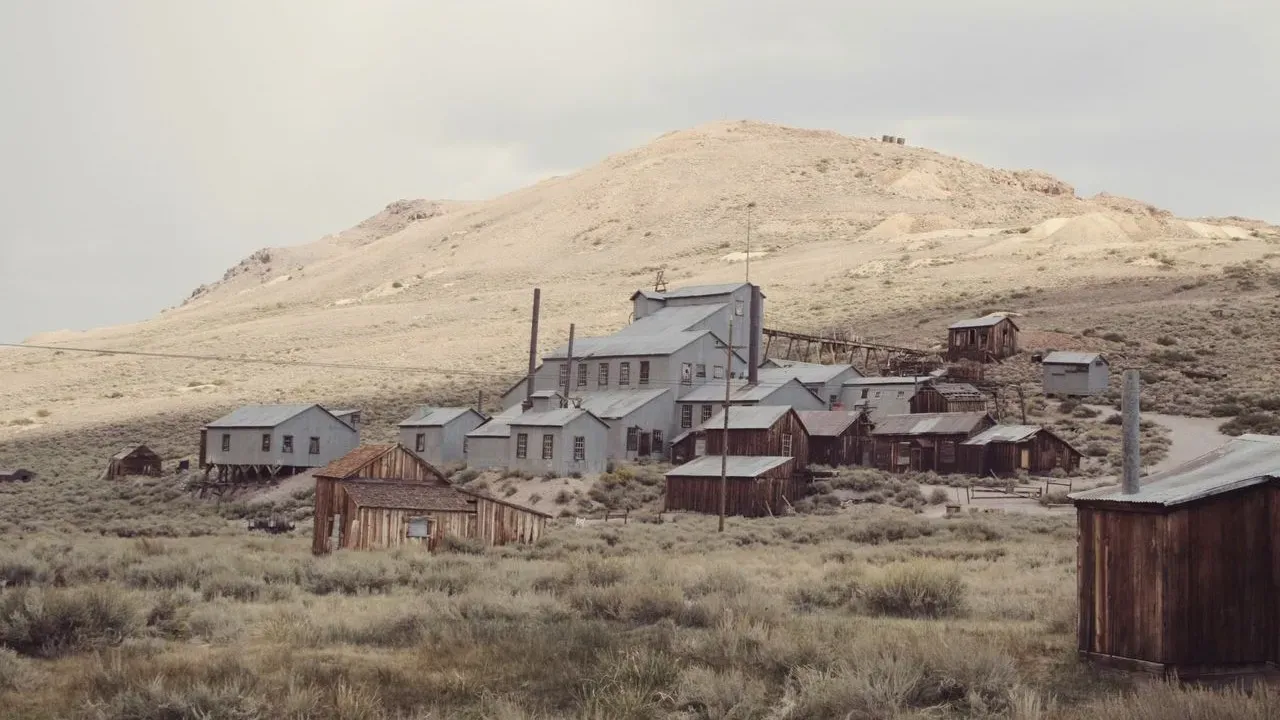

High in the eastern Sierra Nevada, a cluster of weathered wooden buildings stands silent against the mountain air. Once a raucous Gold Rush settlement, the site now forms Bodie State Historic Park, where time appears to have stopped. Visitors walk streets lined with structures that still hold furniture, goods, and the quiet weight of the past. Bodie ranks among the country’s best-preserved ghost towns. Its remote location helped shield the remaining buildings from modern development and souvenir hunters alike. The park draws those seeking an authentic glimpse of California’s mining era, yet it carries a warning rooted in local legend. **A Mining Camp That Boomed Overnight** Gold drew thousands to the area in the late 1870s. By 1879 the population reached roughly 8,500, and more than 2,000 structures rose to serve miners and their families. Saloons, dance halls, stores, and a red-light district lined the streets. The town earned a reputation for violence, with frequent gunfights, robberies, and brawls marking daily life. Chinese settlers built a Chinatown on the outskirts after facing barriers to mine work. They supplied firewood to the community and the local railway. The boom created a lively, if rough, outpost northeast of what is now Yosemite National Park. **Fires, Decline, and a Frozen Moment** Economic shifts and devastating fires began eroding the town by the early 1880s. Residents left in large numbers, and the once-thriving camp shrank rapidly. The surviving portion later received protection as a state historic park and national historic landmark. Today the site is maintained in a state of arrested decay. Roughly 100 original buildings remain standing. Among them are a saloon, church, schoolhouse, family homes, a morgue with Victorian coffins, and a stamp mill once used to process gold and silver ore. Goods and furniture sit where they were left, giving the impression that residents simply walked away. **The Legend That Guards the Ruins** Park staff and longtime visitors speak of the Bodie curse, a superstition that warns against removing any item from the grounds. According to the tale, taking even a rock or a rusty nail invites misfortune that lasts until the object is returned. The park regularly receives packages from people who once pocketed souvenirs and later sought to end their run of bad luck. The story adds an extra layer of atmosphere for those exploring the site during the Halloween season. It serves as both folklore and practical reminder to leave everything in place so future visitors can experience the town as it stands. No scientific proof supports the curse, yet the tradition persists through returned artifacts and word of mouth. **Practical Details for a Visit** Bodie State Historic Park lies 13 miles east of Highway 395 along State Route 270, seven miles south of Bridgeport. The park stays open year-round, though winter brings sub-zero temperatures, high winds, and heavy snow that can close access roads. Entry fees are modest: eight dollars for adults and five dollars for children, with free admission for those three and under. Daily history talks are offered at no extra charge, and photography workshops run periodically for a fee. Visitors should prepare for high elevation and variable mountain weather. The combination of preserved buildings and the lingering curse story makes Bodie a distinctive destination. It offers a tangible connection to California’s Gold Rush past while reminding travelers that some places are best left exactly as they are found. ([1])
AI Disclaimer: This article was created with the assistance of AI tools and reviewed by a human editor.