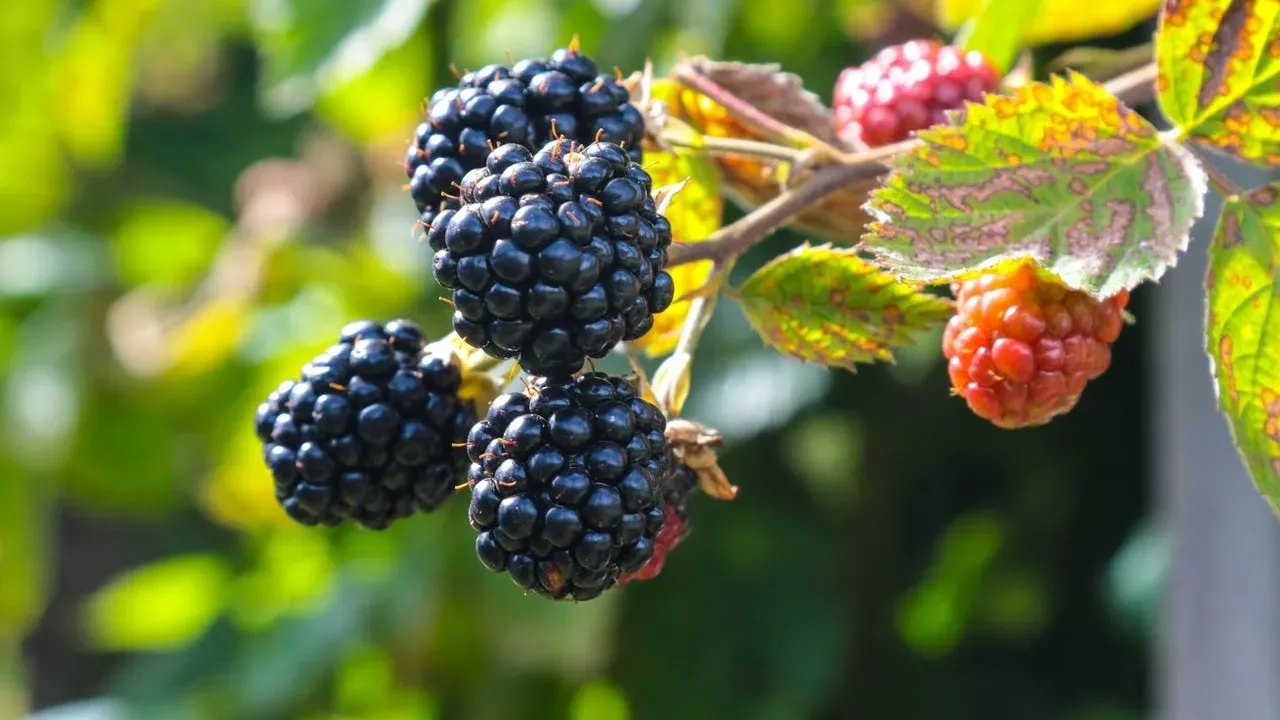

Many gardeners and foragers focus on blackberry bushes only when the dark fruit ripens in late summer. Yet the leaves themselves have long served as a mild, caffeine-free drink in traditional herbal practice. The process turns a common hedgerow plant into a simple home brew with a flavor that echoes black tea. The original source details these uses and methods in full.
Traditional Uses and Reported Benefits
Blackberry leaves contain tannins, flavonoids, and other plant compounds that herbalists have valued for centuries. In folk practice, the tea has been sipped to ease mild digestive discomfort thanks to its astringent qualities. Cooled versions have also been used as a gentle gargle for sore throats or irritated gums. The leaves supply antioxidants and vitamin C without the caffeine found in conventional teas. This makes the drink suitable for evening use. Evidence remains rooted in traditional observation rather than large clinical trials, so results can vary and the tea is best viewed as a comforting addition rather than a treatment.
Best Time and Way to Gather Leaves
Young, bright green leaves picked in spring or early summer yield the most tender material and higher levels of active compounds. Foragers should confirm the plant is true bramble and choose spots away from roads or sprayed fields. Gloves help avoid the small prickles that appear even on early growth. Once collected, the leaves can be used fresh or prepared for longer storage. Proper identification and clean sourcing remain essential steps before any preparation begins.
Fermenting the Leaves for Better Flavor
Fresh or simply dried leaves often taste grassy. Fermentation changes that profile by breaking down chlorophyll and releasing aromatic oils. The result is a sweeter, more floral scent and a deeper golden liquor once brewed. The steps are straightforward. Bruise the leaves by rolling or pounding them lightly, then wrap in a damp cloth and leave in a warm spot for one to two days until the aroma shifts. Spread the leaves to dry fully before crumbling and storing in an airtight jar, where they keep for up to a year.
Brewing and Simple Variations
Two teaspoons of the dried, fermented leaves steeped in freshly boiled water for five to ten minutes produce a basic cup. Longer steeping draws out more tannins. Honey or lemon can soften the gentle astringency, and the base blends well with other foraged herbs such as peppermint or nettle. The finished tea offers a practical way to use parts of the bramble that many overlook. With clean sourcing and careful preparation, it becomes an easy addition to a home herbal routine.
AI Disclaimer: This article was created with the assistance of AI tools and reviewed by a human editor.