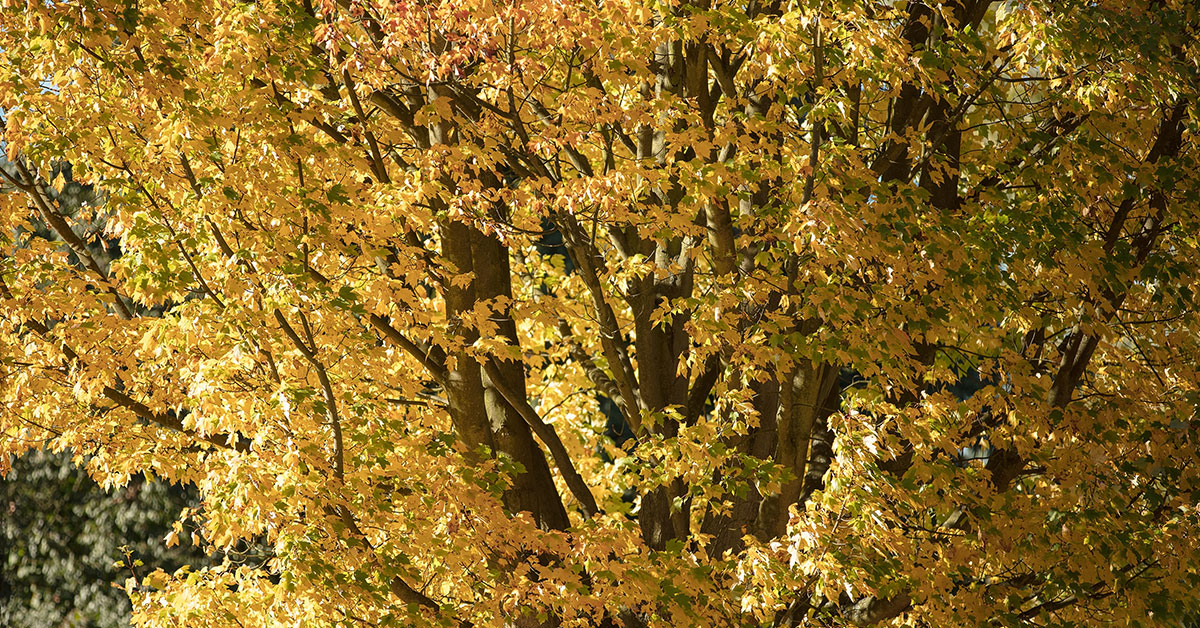

Black Maple is a species of maple tree that is native to North America. This deciduous tree is known for its dark, almost black bark and it’s unique, deeply lobed leaves that turn golden yellow in the fall.
Black Maple is a slow-growing tree that can live for up to 150 years and is commonly found in the eastern United States and southern Canada. In addition to its striking appearance, it is also highly valued for its hard, durable wood, which has been used for furniture, flooring, and even musical instruments.
What is a Black Maple?
Black Maple is a type of maple tree that is native to North America. Its scientific name is Acer nigrum, and it is also known as the Hard Maple, Rock Maple, or Sugar Maple. It is a large deciduous tree that can grow up to 100 feet tall and has a dense, broad crown. The tree is characterized by its dark, blackish-brown bark, which is rough and deeply furrowed. The leaves are large, with five lobes, and are dark green in color. In the fall, the leaves turn a vibrant yellow-orange color before dropping.
It is highly valued for its strong, dense wood, which is used in the production of furniture, flooring, and musical instruments. The tree is also a source of high-quality maple syrup, which is made by tapping the sap from the tree. The sap of Black Maple has a higher sugar content than other maple trees, making it a preferred choice for syrup production.
This tree is a popular choice for landscaping due to its large size and attractive foliage. It is also a hardy tree that is resistant to pests and disease, making it a low-maintenance option for homeowners.
In addition to its practical uses, this tree also has cultural significance. Native American communities used the bark and sap of the tree for medicinal purposes. The tree is also a symbol of strength and resilience in many cultures.
How to Plant and Provide Care
Black Maple is a beautiful, hardy tree native to North America. It is a popular choice for landscaping and is often found in parks and gardens. Here’s what you need to know about planting and caring for this tree.
Planting
- Choose the right location: Black Maple prefers full sun to partial shade and well-drained soil. It can tolerate a variety of soil types, but prefers slightly acidic soil.
- Prepare the planting site: Dig a hole that is twice as wide and deep as the root ball of your sapling. Loosen the soil around the edges of the hole to encourage root growth.
- Plant the tree: Place the tree in the hole, making sure the top of the root ball is level with the surrounding soil. Backfill the hole with soil, tamping it down lightly to remove any air pockets.
- Water the tree: Give your Black Maple a deep watering after planting to help settle the soil and encourage root growth.
Care
- Watering: Black Maple needs regular watering during the first few years after planting to help establish a strong root system. Water deeply once a week during dry spells.
- Fertilizing: This tree doesn’t require much fertilizer, but you can apply a slow-release, balanced fertilizer in the spring if you’d like to give it a boost.
- Pruning: Prune your tree in late winter or early spring before new growth appears. Remove any dead or damaged branches, and thin out any crossing or crowded branches to improve air circulation.
- Protecting from pests: It is generally resistant to pests and diseases, but you should watch for common problems such as leaf spot, powdery mildew, and aphids. If you notice any issues, treat them promptly with an appropriate insecticide or fungicide.
Where are Black Maples native?
Black Maple is a tree species native to North America. It is commonly found in the eastern regions of the continent, including the United States and Canada.
In the United States, it can be found in states such as Minnesota, Michigan, Wisconsin, Ohio, Pennsylvania, and New York. It is also present in the Appalachian Mountains and the Southeastern United States, including Tennessee, Virginia, and North Carolina.
In Canada, Black Maple is primarily found in Ontario, Quebec, and the Maritime Provinces. It is also present in Manitoba and Saskatchewan.
This tree is a resilient species that can thrive in a variety of environments, from wetlands to upland forests. Its adaptability and hardiness make it a valuable resource for both wildlife and humans alike.
Foliage in the Fall
Black Maple trees are a sight to behold in the fall, thanks to their stunning foliage. The leaves of the Black Maple tree change into brilliant shades of orange, red, and yellow, making it a popular choice for homeowners looking to add a pop of color to their yards.
During the beginning of fall, you may notice the leaves of the Black Maple tree start to turn a light yellow color. As the weather gets cooler, the colors of the leaves become more intense, transforming into deep oranges and reds. The leaves of the tree are known for their unique shape, with five distinct lobes that create a distinctive silhouette when the tree is viewed from afar.
Black Maple trees also tend to hold onto their leaves for longer than other maple species, which means that their vibrant fall foliage can last well into the late fall season. If you’re looking for a tree that will provide stunning fall foliage and a beautiful addition to your yard, the Black Maple is an excellent choice.