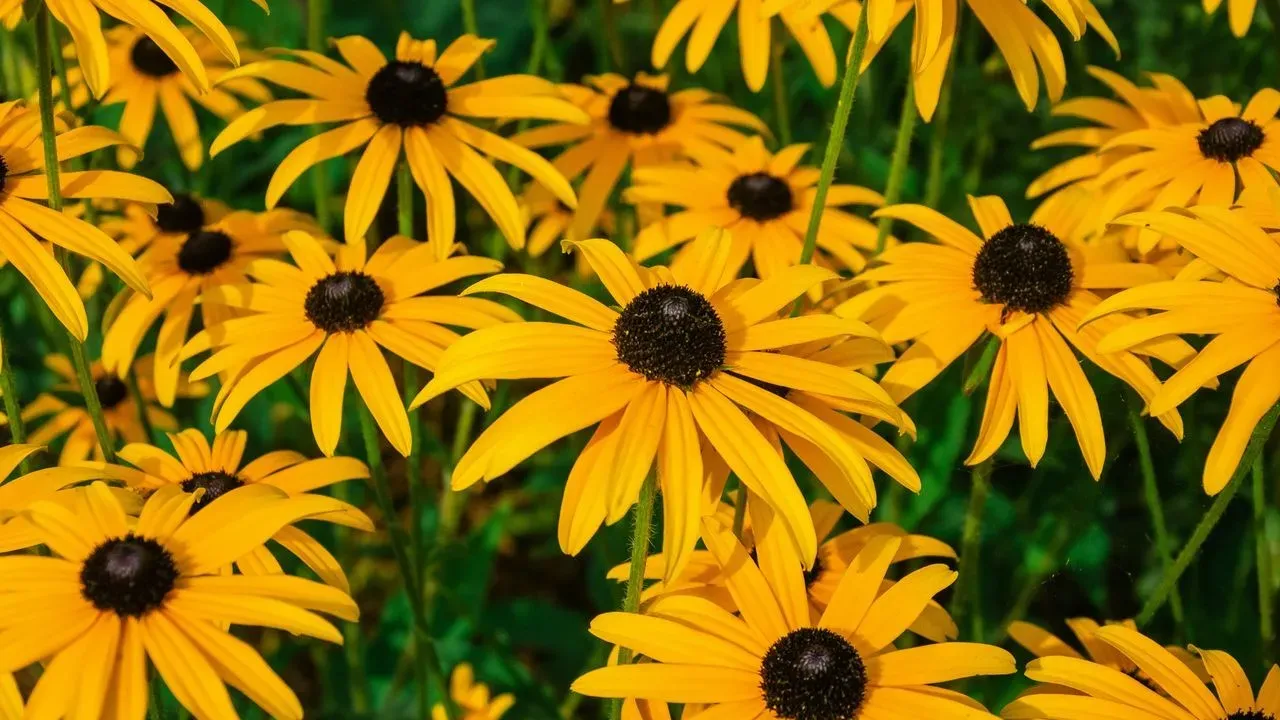

Gardeners often add Black-eyed Susans to support bees and butterflies, yet direct observations show these popular plants sometimes receive far less attention than nearby blooms. One gardener watched insects move from Joe Pye Weed straight past the Rudbeckias to orange Lantana flowers, a pattern that repeated across multiple seasons. The experience prompted a closer look at what actually draws pollinators to this Maryland state flower and its relatives. ([1])
Real-World Garden Observations
Repeated sightings in one backyard revealed a clear preference among visiting insects. Bees and butterflies landed on Joe Pye Weed and Lantana but largely bypassed the Black-eyed Susans. The same pattern held in other gardens where similar plants grew side by side. Location and timing appear to influence results, yet the relative lack of activity remained consistent enough to raise questions.
Even when the flowers stayed in bloom for weeks, visitation stayed low once initial pollen supplies dropped. Gardeners noted that the long-lasting blooms continued to look attractive to people long after they stopped serving pollinators. This mismatch between visual appeal and actual use explains why some patches see little traffic despite their reputation.
Pollinators That Do Appear
Smaller native bees, including sweat bees and leafcutter bees, show up on certain Rudbeckia plants in noticeable numbers. Hoverflies also visit, along with the occasional pearl crescent butterfly. Some gardeners report specialist bees and the larvae of checkerspot butterflies using the plants as well.
Birds such as goldfinches arrive later to eat seeds from spent flower heads. Assassin bugs and spiders sometimes shelter among the stems. These visitors provide value, though they represent a narrower range than many gardeners anticipate when they first plant the flowers.
Competition From Neighboring Blooms
Plants like Joe Pye Weed produce abundant nectar that draws insects away from nearby Rudbeckias. Wood asters, bronze fennel, and various zinnias create additional competition in mixed beds. In one front garden, Anise hyssop proved especially popular with nectar-seeking visitors.
The presence of stronger attractors nearby can make Black-eyed Susans appear underused even when they hold some pollen. Gardeners who plant diverse borders often see the Rudbeckias serve mainly as a backup option once other flowers decline. This dynamic suggests the plants work best as part of a broader mix rather than a centerpiece.
Cultivar Differences and Limitations
Native species such as Rudbeckia hirta and triloba tend to attract more small bees than certain cultivars. The widely sold ‘Goldstrum’ selection, a form of Rudbeckia fulgida, receives mixed reports and sometimes draws only tiny flies or sweat bees. Some observers suspect it produces limited pollen or nectar, possibly because the plant is often sterile and propagated vegetatively.
Specialist bees tied to Rudbeckia appear more reliably in naturalized settings than in typical suburban plantings. Experts note that heavy reliance on any single species can limit overall pollinator support. Greater diversity in meadow and garden designs helps address this gap.
Practical Steps for Gardeners
Many gardeners now treat Black-eyed Susans as useful fillers for new beds rather than permanent pollinator anchors. The plants establish quickly, bloom reliably, and can later be thinned to make room for stronger nectar sources. Passing extras along to beginners remains a common practice.
Those seeking higher pollinator traffic often shift toward mountain mint, asters, or flowering shrubs once space opens up. Keeping a modest patch of Rudbeckia still offers seed for birds and some early-season activity, yet the emphasis moves toward a wider plant palette. This measured approach balances quick color with longer-term support for local insects.
AI Disclaimer: This article was created with the assistance of AI tools and reviewed by a human editor.