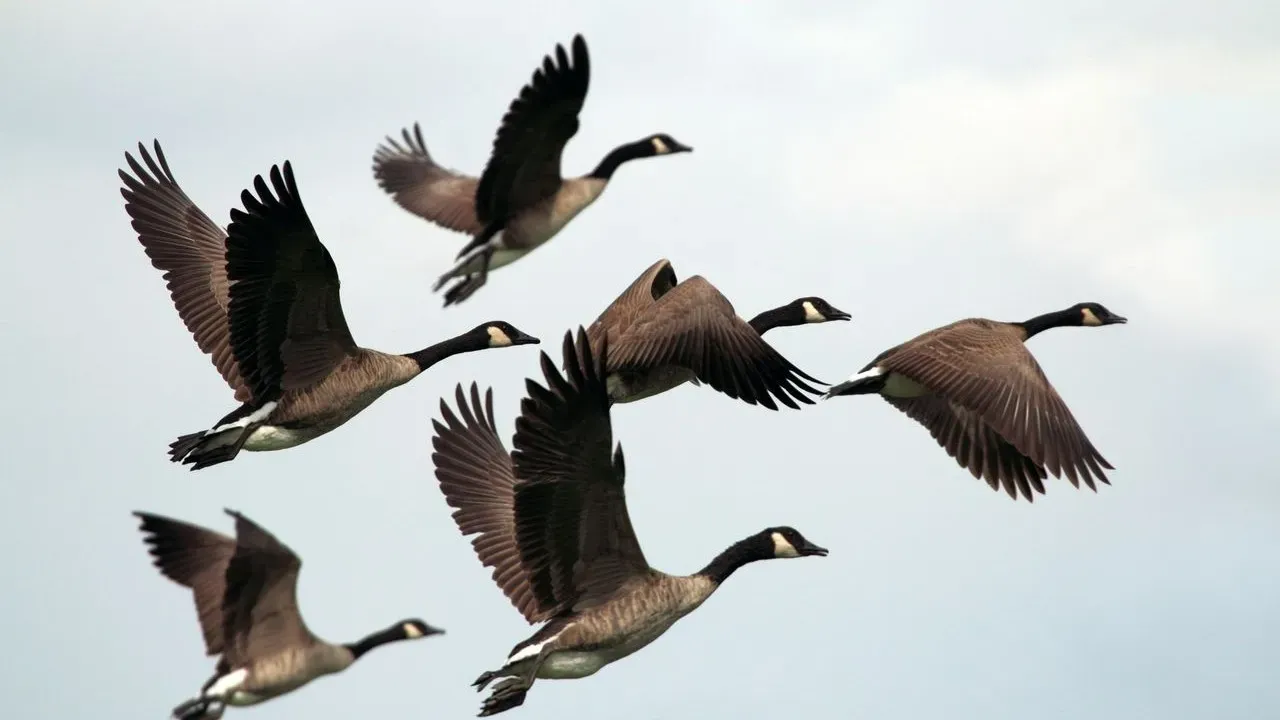

Reno-Sparks – Nevada wildlife and public health officials have confirmed an outbreak of highly pathogenic avian influenza in multiple goose flocks across the area. The virus, often called bird flu, has been verified in Canada geese and other waterfowl, prompting coordinated monitoring by state agencies. Residents who frequent parks or maintain backyard feeders now face practical questions about how to respond. **Outbreak Details Emerge** The Nevada Department of Wildlife, the Department of Agriculture, and the Division of Public and Behavioral Health are leading the response. They have asked the public to report sightings of sick or dead geese to limit further spread. The confirmation marks a localized event tied to wild bird populations rather than a widespread domestic poultry crisis. Highly pathogenic avian influenza spreads readily among birds through direct contact, contaminated water, or surfaces. Wild waterfowl can carry the virus without obvious signs, while some geese and other species show clear illness. Officials emphasize that the current situation centers on geese in the Reno-Sparks region. **Recognizing Signs in Birds** Infected birds may display coughing, sneezing, or nasal discharge. Swelling around the eyes, poor balance, or an abnormal head position can also appear. Diarrhea, weakness, and sudden death represent additional indicators that warrant attention. These symptoms help distinguish affected birds from normal behavior. Early reporting allows agencies to track the virus and advise on containment steps. Observers should avoid approaching or handling birds that show any of these traits. **Steps for Park Visitors and Residents** Anyone who spots sick geese should keep children and pets at a distance and leave the birds undisturbed. Reports go to the Nevada Department of Wildlife at 775-688-1500. Dead geese found in public parks require contact with the responsible agency, such as Reno parks at 775-334-2270 or Washoe County parks at 775-828-6612. On private property, gloves, an N95 mask, and eye protection reduce exposure risk during handling. Double-bagging carcasses before placing them in regular trash follows recommended disposal. Poultry owners should change clothes and shoes after any encounter with wild birds to protect their flocks. **Protecting Backyard Poultry** Domestic birds face higher vulnerability, with mortality rates that can exceed 90 percent in severe cases. Secure enclosures that prevent contact with wild waterfowl offer the strongest defense. Disinfecting equipment, securing feed, and watching for illness help limit introduction of the virus. Owners who notice unusual deaths or symptoms should consult a veterinarian promptly. High mortality events require notification to the Nevada Department of Agriculture. These measures align with standard biosecurity practices for small flocks. **Human Health Context Remains Limited** Transmission to people stays rare and typically requires close contact without protection. Possible symptoms include fever, cough, sore throat, or eye irritation. Anyone who develops such signs after bird exposure should seek medical care and mention the contact. Additional guidance appears on the Nevada Department of Wildlife and Department of Agriculture websites. The situation continues to evolve with ongoing surveillance by state officials. ([1])
AI Disclaimer: This article was created with the assistance of AI tools and reviewed by a human editor.