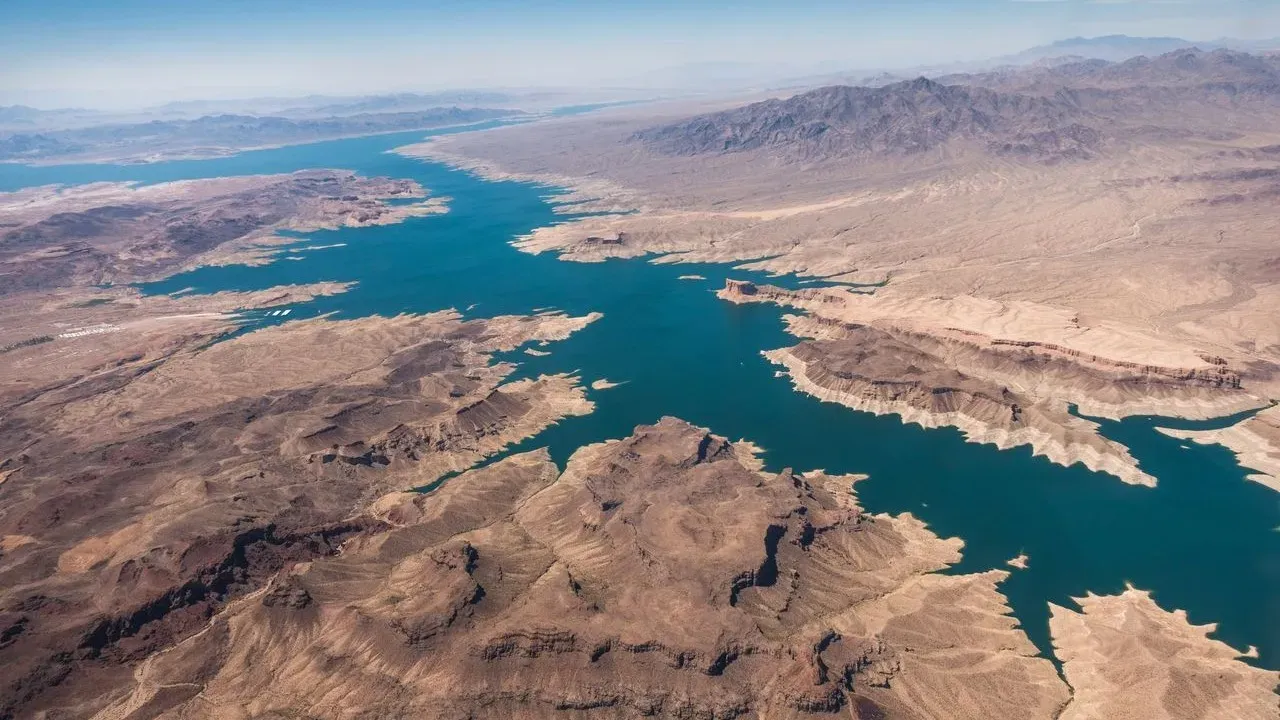

Washington policymakers are confronting a familiar challenge with fresh urgency. A cross-party group in Congress has urged House leaders to approve targeted spending aimed at water reductions, conservation measures, and supply-boosting projects tied to Lake Mead. The request arrives as the reservoir continues to face pressure from prolonged drought conditions across the Colorado River basin.
The Call for Immediate Congressional Action
The bipartisan appeal focuses on securing emergency cash rather than waiting for routine appropriations cycles. Lawmakers from both parties have highlighted the need for swift resources that could support immediate steps to ease demand and develop additional supplies. This approach reflects a shared recognition that delays could compound existing strains on the system that serves millions of users in several western states. Timing plays a central role in the request. Proponents argue that standard budget processes move too slowly to address acute shortfalls, particularly when conservation projects and infrastructure upgrades require lead time before they deliver measurable relief. The group has framed the funding as a practical bridge to longer-term solutions already under discussion among basin states.
Practical Effects on Water Management and Users
If approved, the resources would target three main areas: programs that encourage or require reduced water withdrawals, expanded conservation initiatives, and investments that increase available supply through efficiency or new sources. These categories directly influence how water is allocated among agricultural, municipal, and industrial users who rely on Lake Mead deliveries. For homeowners and landscapers in affected regions, the outcome could shape future restrictions on outdoor water use. Conservation funding often supports rebates for drought-tolerant plantings, soil amendments, and irrigation upgrades that help properties maintain appearance while using less water. Supply projects, meanwhile, aim to stabilize deliveries that feed both urban systems and the broader agricultural economy.
Stakeholders and Regional Stakes
The effort involves a wide range of interests. Municipal water agencies, farming districts, and environmental organizations all monitor developments at Lake Mead because changes in reservoir levels affect allocation rules and shortage declarations. A congressional funding package could provide states and local entities with additional tools to meet conservation targets without immediate cuts that disrupt operations. Gardeners and property owners represent another set of stakeholders. Many western communities have already adjusted landscaping practices in response to prior drought measures. Additional conservation support could accelerate adoption of water-wise designs, potentially easing pressure on household water bills over time while preserving green spaces that contribute to neighborhood character and property values.
Looking Ahead for Drought Policy
The request underscores ongoing debates about how best to manage the Colorado River system under variable climate conditions. While basin states continue negotiations on long-term operating guidelines, the congressional push offers a shorter-term avenue for tangible support. Success would depend on whether House leadership incorporates the proposal into upcoming spending measures. Observers note that bipartisan backing increases the chances of movement, yet competition for federal dollars remains intense. Any approved funding would likely come with reporting requirements to track results in reductions achieved and new supplies developed. The coming months will clarify whether this latest appeal translates into concrete resources or remains part of broader discussions about western water security.
AI Disclaimer: This article was created with the assistance of AI tools and reviewed by a human editor.