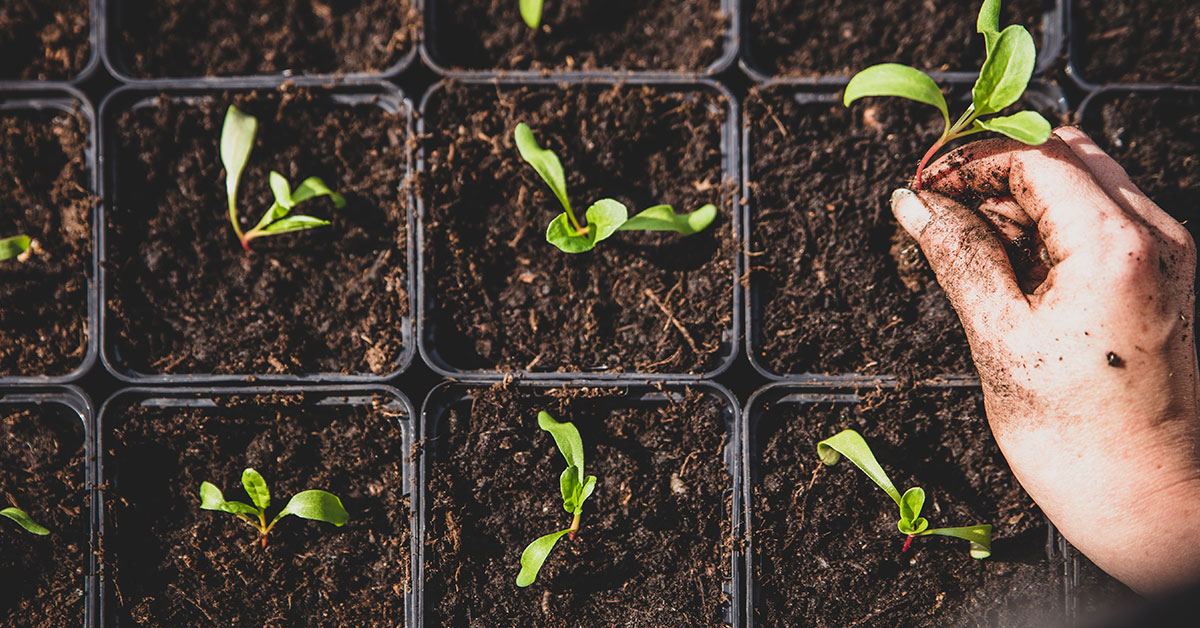

If you are looking to add a unique and flavorful vegetable to your garden, then Bionda Di Lyon Chard is the perfect choice for you. This heirloom variety of chard hails from the Lyon region in France and is known for its vibrant yellow-green leaves and delicious taste. With its mild and slightly sweet flavor, Bionda Di Lyon Chard is not only a delight to the taste buds but also a visually appealing addition to any garden.
Whether you are a seasoned gardener or just starting out, this article will provide you with all the information you need to successfully grow and care for Bionda Di Lyon Chard in your own backyard. So, get ready to embark on a journey of gardening excellence and bring a touch of French culinary delight to your plate!
What is a Bionda Di Lyon Chard?
Bionda Di Lyon Chard, also known as Lyon Blonde Chard, is a popular variety of Swiss chard. It is a leafy green vegetable that belongs to the beet family, characterized by its large, glossy, and tender leaves. The Bionda Di Lyon Chard has a vibrant green color, with wide, crinkled leaves that have prominent veins running through them. The leaves are typically smooth and have a slightly wavy edge, adding to its visual appeal. The plant can grow up to 18-24 inches in height, with the leaves reaching a length of around 12-16 inches.
One of the distinct features of Bionda Di Lyon Chard is its mild and delicate flavor. It has a subtle, earthy taste with a hint of sweetness, making it a versatile ingredient in various culinary preparations. The leaves can be consumed raw in salads, as well as cooked in stir-fries, soups, and sautés. This variety of chard is known for its high nutritional value. It is an excellent source of vitamins A, C, and K, as well as minerals like iron and potassium. Additionally, Bionda Di Lyon Chard contains dietary fiber, which aids in digestion and helps maintain a healthy digestive system.
When it comes to cultivation, Bionda Di Lyon Chard is a relatively easy plant to grow. It thrives in well-drained soil with ample sunlight. The plant requires regular watering to keep the soil evenly moist. It can be sown directly in the garden or started indoors and later transplanted. Overall, it is a delightful variety of Swiss chard with its large, glossy leaves, mild flavor, and nutritional benefits. Whether you are a beginner or an experienced gardener, this chard variety can be a valuable addition to your garden and a versatile ingredient in your kitchen.
What does Bionda Di Lyon Chard taste like?
The Bionda Di Lyon Chard, also known as the Lyon Blonde Chard, is a variety of chard that is highly appreciated for its tender, mild, and slightly sweet taste. When harvested young, the leaves are tender and have a crisp texture, making them perfect for raw consumption in salads or as a garnish.
The flavor can be described as delicate and earthy, with subtle hints of sweetness. It is not as bitter as some other varieties of chard, which makes it more appealing to those who prefer milder greens. The leaves have a pleasant, almost buttery taste that is often likened to spinach or Swiss chard.
When cooked, the Bionda Di Lyon Chard retains its mild flavor and delicate texture. It can be sautéed, steamed, or used in various recipes as a substitute for spinach or other leafy greens. The chard’s flavor pairs well with a variety of ingredients and seasonings, making it a versatile and delicious addition to many dishes.
Overall, the taste is best described as mild, slightly sweet, and earthy, which makes it a delightful choice for both raw and cooked preparations.
How to start from seed
Starting Bionda Di Lyon Chard, or any other variety of chard, from seeds is a relatively straightforward process. Here are the steps to get you started:
- Selecting seeds: Obtain high-quality seeds from a reputable source. Make sure the seeds are fresh and within their viability period.
- Indoor sowing: Chard seeds can be started indoors, around 4-6 weeks before the last expected frost date in your area. Fill seed trays or small pots with a well-draining seed starting mix.
- Sowing the seeds: Sow the chard seeds about 1/2 inch deep in the soil, spacing them around 2 inches apart. Gently cover the seeds with a thin layer of soil and lightly water them.
- Providing proper conditions: Place the seed trays in a warm location with temperatures between 65-75°F (18-24°C). Ensure that the seeds receive bright, indirect sunlight for optimal germination.
- Germination: Chard seeds typically take 7-14 days to germinate. Keep the soil moist but not waterlogged during this period. Use a spray bottle or misting technique to avoid disturbing the seeds.
- Transplanting: Once the seedlings have developed their first true leaves and are about 2-3 inches tall, they are ready for transplanting. Harden off the seedlings by gradually exposing them to outdoor conditions over a week before transplanting.
- Outdoor planting: Choose a sunny location in your garden with well-draining soil. Prepare the soil by incorporating compost or organic matter to enrich it. Dig holes or create furrows, spacing them around 12-18 inches apart, depending on the variety.
- Transplanting seedlings: Gently remove the seedlings from the trays or pots, being careful not to damage their delicate roots. Place each seedling in a hole or furrow, backfill with soil, and lightly firm it around the base of the plant.
- Watering and care: Water the transplanted seedlings immediately after planting to help them establish. Chard requires consistent moisture, so water regularly, especially during dry spells. Mulching around the plants can help retain soil moisture and suppress weeds.
- Harvesting: Bionda Di Lyon Chard usually takes around 55-60 days to reach maturity. Harvest the outer leaves as needed, starting from the outside and working your way inward. Avoid removing all the leaves at once to allow the plant to continue growing and producing.
Remember to provide adequate spacing and monitor for common garden pests and diseases. With proper care and attention, you should be able to enjoy a bountiful harvest of Bionda Di Lyon Chard.
Planting and growing Bionda Di Lyon Chard
To plant and grow a Bionda Di Lyon Chard, follow these steps:
- Choose the right location: Select a spot in your garden that receives at least 6-8 hours of direct sunlight daily. Chard prefers well-draining soil with a pH between 6.0 and 7.5.
- Prepare the soil: Remove any weeds or debris from the planting area. Loosen the soil to a depth of 8-10 inches using a garden fork or tiller. Incorporate organic matter like compost or well-rotted manure to improve soil fertility and drainage.
- Sow the seeds: Plant the seeds directly into the prepared soil. Make furrows about 1/2 inch deep and space the seeds about 6-8 inches apart. You can sow multiple rows with 12-18 inches between each row.
- Cover and water: Gently cover the seeds with soil and lightly pat it down. Water the area thoroughly but gently, ensuring the soil is evenly moist. Avoid overwatering, as it may lead to seed rot or fungal diseases.
- Thin the seedlings: Once the seedlings emerge and grow to about 2-3 inches tall, thin them out to provide adequate space for each plant. Space the seedlings 12-18 inches apart, allowing enough room for them to grow and develop.
- Mulch the plants: Apply a layer of organic mulch around the base of the plants to help retain moisture, suppress weed growth, and regulate soil temperature. Straw, shredded leaves, or wood chips can be used as mulch.
- Watering and maintenance: Chard plants require consistent moisture throughout their growing season. Water deeply when the top inch of soil feels dry, aiming to provide about 1 inch of water per week. Regularly check for pests or diseases and take appropriate measures, such as using organic pest control methods or removing affected leaves.
- Harvesting: Bionda Di Lyon Chard can be harvested when the leaves reach your desired size, typically around 6-8 inches in length. You can harvest individual outer leaves or cut the entire plant at ground level. Regular harvesting encourages continuous growth.
By following these steps, you can successfully plant and grow Bionda Di Lyon Chard in your garden. Enjoy the fresh and nutritious greens!
When to harvest
The best time to harvest Bionda Di Lyon Chard is when the leaves are fully grown but still tender and before they become overly mature or start to bolt (produce a flowering stalk). Generally, this type of chard can be harvested around 50-60 days after sowing the seeds.
For the best taste and texture, it is recommended to harvest the outer leaves first, leaving the inner ones to continue growing. This allows the plant to keep producing new leaves for a longer period. You can simply cut the outer leaves off at the base of the plant, leaving about an inch of stem attached to the plant.
Remember to harvest regularly to encourage continuous growth and to prevent the leaves from becoming tough and bitter.