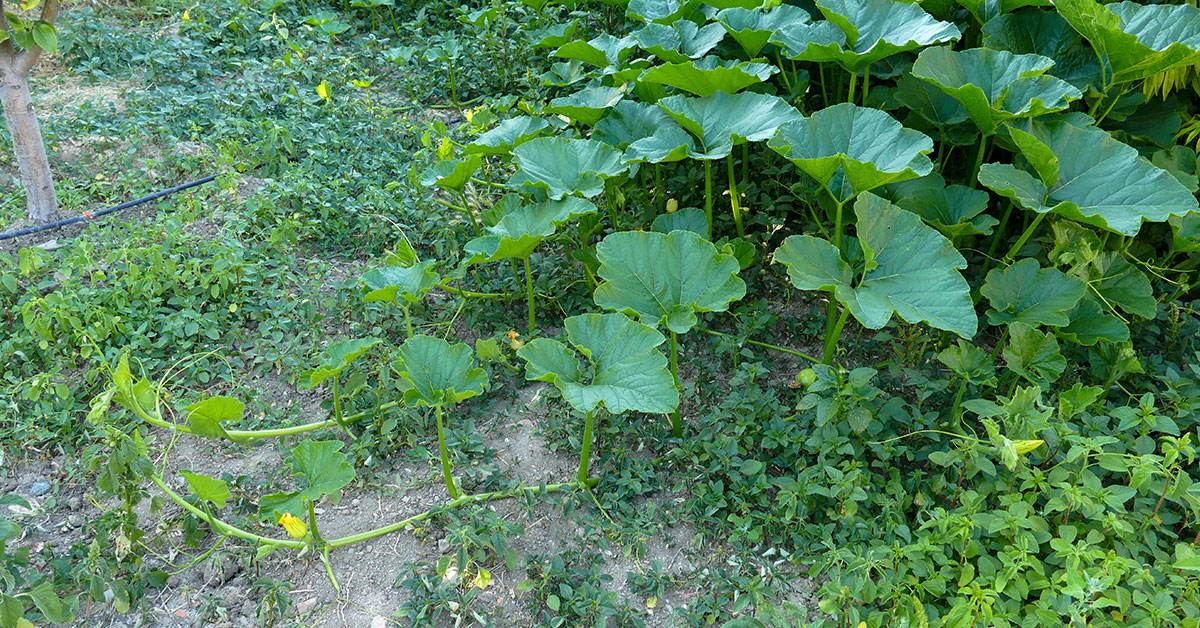

The Big Moon pumpkin is a popular variety of pumpkin that is prized for its large size and attractive appearance. These pumpkins are known for their smooth, bright orange skin and sturdy, round shape, making them a favorite among pumpkin enthusiasts.
Whether you’re looking to carve a spooky Halloween jack-o-lantern or whip up a delicious pumpkin pie, the Big Moon pumpkin is a versatile and delicious option that’s sure to impress. In this blog post, we’ll take a closer look at this beloved pumpkin variety and explore some of the many ways you can enjoy it this fall.
What is a Big Moon pumpkin?
As the name suggests, the Big Moon pumpkin is a large, round pumpkin that is known for its impressive size and distinctive appearance. This variety of pumpkin is typically grown for decorative purposes, as it can reach sizes of up to 100 pounds or more.
The skin of a Big Moon pumpkin is a deep orange color and is often covered in deep ridges and bumps, adding to its unique visual appeal. The flesh of the pumpkin is typically quite thick and dense, with a mild, slightly sweet flavor that makes it ideal for use in a variety of culinary applications.
While Big Moon pumpkins are primarily grown for their size and decorative value, they can also be used in a variety of recipes, from soups and stews to pies and other desserts. Whether you are looking to add a touch of rustic charm to your home decor or simply want to experiment with a new ingredient in your cooking, the Big Moon pumpkin is a versatile and exciting option to consider.
How to start Big Moon Pumpkin seeds
Growing pumpkins from seed is an incredibly rewarding and relatively easy gardening endeavor. With the right preparation and care, anyone can experience the joy of watching these vibrant vines produce bountiful, colorful pumpkins. Starting pumpkins from seed allows you to choose from a wide variety of shapes, sizes, and colors to suit your preferences.
Additional Resource: Our Full Guide On Starting Pumpkins From Seed
Growing & care
Caring for pumpkins is remarkably straightforward, making it an ideal choice for both novice and experienced gardeners. Once established, pumpkins require minimal maintenance.
- Transplanting: When the danger of frost has passed and the soil has warmed up, transplant the pumpkin seedlings into your prepared garden bed or large containers. Ensure they are spaced 3-5 feet apart to allow for proper growth and airflow.
- Care and Maintenance: Water your pumpkin plants deeply and regularly, aiming for about 1-2 inches of water per week. Mulch around the plants to conserve moisture and suppress weed growth. Monitor for pests and diseases, and take appropriate action if necessary.
- Pollination: Pumpkins require pollination for fruit set. Bees and other pollinators are crucial for this process. To encourage pollination, avoid using insecticides that could harm pollinators and consider hand-pollinating if necessary.
- Fertilization: As the pumpkin plants grow, provide them with regular feedings of balanced fertilizer according to the package instructions. This will help support healthy foliage growth and fruit development.
- Pruning and Training: Control the growth of your pumpkin vines by gently pruning back excessive foliage. This promotes better airflow and directs energy towards fruit production. Use trellises or supports to train the vines if desired.
- Harvesting: Harvest pumpkins when they reach their full color, have a hard rind, and the stem starts to dry out. Cut the pumpkins carefully from the vine, leaving a few inches of stem attached. Handle them gently to avoid any damage.
Common pumpkin pests and diseases
Growing pumpkins can sometimes encounter a few common problems. Here are some issues you may face and their corresponding solutions:
- Powdery Mildew: This fungal disease appears as a white, powdery coating on the leaves, causing them to wither and die. To combat powdery mildew, ensure proper spacing between plants for good air circulation. Apply fungicides as a preventive measure or use organic treatments like neem oil or a mixture of baking soda and water.
- Squash Bugs: These pests feed on the leaves, causing wilting and stunted growth. Handpick and destroy the bugs or use insecticidal soap to control their population. Placing floating row covers over young plants can prevent squash bugs from laying eggs.
- Vine Borers: The larvae of squash vine borers burrow into the stems, leading to wilting and plant death. Cut open the stem, remove the borer, and mound soil at the base of the affected plant to encourage rooting. Applying row covers early in the season can help prevent adult borers from laying eggs.
- Blossom End Rot: This physiological disorder manifests as sunken, darkened areas on the blossom end of the fruit. It is caused by calcium deficiency or inconsistent watering. Maintain consistent soil moisture levels, provide adequate calcium through organic amendments, and mulch around the plants to regulate soil moisture.
- Poor Fruit Set: Insufficient pollination can result in poor fruit development. Encourage pollinators by planting pollinator-friendly flowers nearby. In the absence of sufficient pollinators, hand-pollinate by transferring pollen from male to female flowers using a small brush or cotton swab.
- Overwatering or Root Rot: Excessive watering or poorly drained soil can lead to root rot and plant decline. Allow the soil to dry slightly between waterings, and improve drainage by amending the soil with organic matter or growing pumpkins in raised beds.
- Weeds: Weeds compete for nutrients, water, and sunlight, hampering pumpkin growth. Regularly weed around the plants to minimize competition and maintain a weed-free zone.
Remember to monitor your plants regularly, catch problems early, and apply appropriate treatments promptly. By implementing these preventive measures and taking swift action when needed, you can address common pumpkin-growing problems and enjoy a successful harvest.
When to harvest Big Moon pumpkins
Big Moon pumpkins are a popular variety of pumpkin that are known for their large size and vibrant orange color. They are a favorite among gardeners and farmers alike, and are often used in fall decorations and for cooking delicious pumpkin pies. However, knowing when to harvest your Big Moon pumpkins is crucial to ensure that they are at their peak of freshness and flavor.
The ideal time to harvest Big Moon pumpkins is when they have reached full maturity. This typically occurs around 110-120 days after planting the seeds. You can tell that your pumpkins are ripe and ready to be harvested when the skin has hardened and turned a deep, rich orange color. The stem should also be dry and slightly brown, indicating that the pumpkin is no longer receiving nutrients from the vine.
Another way to check if your Big Moon pumpkins are ready to be harvested is by giving them a gentle tap. If they sound hollow, then they are likely mature enough to be picked. However, if they sound dull or solid, then they may need a bit more time to ripen.
It’s important to note that harvesting your Big Moon pumpkins too early can result in them being underdeveloped and lacking in flavor. On the other hand, leaving them on the vine for too long can cause them to become overripe and potentially rot. This is why it’s essential to keep a close eye on your pumpkins as they approach maturity and harvest them at the right time.
Uses for Big Moon pumpkins
Big Moon pumpkins are a popular variety of pumpkin that are known for their large size and unique appearance. They can grow up to 50 pounds and have a distinctive flattened shape, making them a popular choice for carving and decorating during the Halloween season.
In addition to being a popular decorative item, Big Moon pumpkins are also commonly used for cooking and baking. Their sweet, dense flesh is perfect for making pumpkin pies, muffins, breads, and other delicious treats. They are also great for roasting or pureeing and can be used in savory dishes like soups, stews, and casseroles.
Big Moon pumpkins are often preferred over other varieties of pumpkin for cooking and baking because they have a higher sugar content and a smoother texture. They also tend to be less stringy than other pumpkins, which makes them easier to work with in the kitchen.
Overall, Big Moon pumpkins are a versatile and useful variety of pumpkin that can be used for both decorative and culinary purposes. Whether you’re looking to create a spooky jack-o-lantern or a delicious pumpkin dish, these pumpkins are sure to deliver.